As an Amazon Associate, we earn from qualifying purchases. Some links on this site are affiliate links at no extra cost to you. Our recommendations are based on thorough research and editorial judgment.


Do Trackers Work For Cycling?

Trackers definitely work for cycling! They help us measure distance accurately through wheel rotation counts, with calibration ensuring precision. Many cycling apps enhance our ride experience, offering performance analytics and customizable routes. Plus, GPS trackers provide reliable theft prevention, alerting us if our bike moves outside set boundaries. With impressive battery life and features like geofencing, they’re incredibly useful tools. Let’s explore how these devices can elevate our cycling adventures even further.
Key Takeaways
- Cycling trackers using wheel rotation counts provide high accuracy for measuring distance when properly calibrated.
- GPS trackers enhance route navigation and provide performance analytics, monitoring metrics like speed and heart rate.
- Theft prevention features, such as real-time location monitoring and geofencing, increase the chances of bike recovery.
- Advanced models can have long battery life, allowing for extended use during rides while maintaining performance features.
- Data privacy is a concern, as trackers may collect personal information, emphasizing the need for user awareness.
Accuracy and Technology of Cycling Trackers
You may be interested
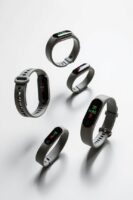


How accurately can cycling trackers measure our rides? When we consider distance measurement, cycling trackers that use wheel rotation counts can offer impressive accuracy. If we carefully calibrate our wheel circumference, we can achieve errors of only fractions of a percent. This method surpasses GPS odometers, especially on flat routes, since GPS can suffer from signal interference and positional jitter.
However, it’s vital to remember that an incorrect tyre size in the device settings can lead to systematic errors in both speed and distance. Regular sensor calibration, particularly after changing tyres, is necessary to guarantee our readings remain precise. By understanding these nuances, we can fully maximize our cycling tracker’s performance and reliability. Additionally, using trackers with built-in GPS can enhance tracking capabilities by providing accurate distance and pace data during outdoor rides, even without an internet connection.
Recommended Products
Year-Round Yard Maintenance — One Machine for Every Season: Built for all-season yard care! In spring, add the optional Tow Hitch for hauling. Summer mowing comes standard with the 21" blade, climbing slopes up to 75% (37°). In fall, add the optional mulching blade to turn leaves into fine mulch. In winter, equip the optional Snow Plow (with Snow Chains) for snow clearing. Pair it with the optional MOWRATOR Mowfun FPV to monitor mowing and snow clearing from indoors.

Rim inner clamp type 14"-24" and outer clamp type 12"-22" with adjustable clamp to fit various tire sizes, plus high-strength alloy steel claws with carburizing treatment (0.8-1.1mm depth) and quenching for tough interior and hard exterior, including a protective cover to prevent wheel scratches.

SMOOTH, NATURAL 20" STRIDE – A 20" stride length paired with a well-balanced 20 lb flywheel delivers fluid, low-impact motion that feels steady and controlled, supporting comfortable movement for users at every fitness level.
Usage and Data Capture by Cycling Apps
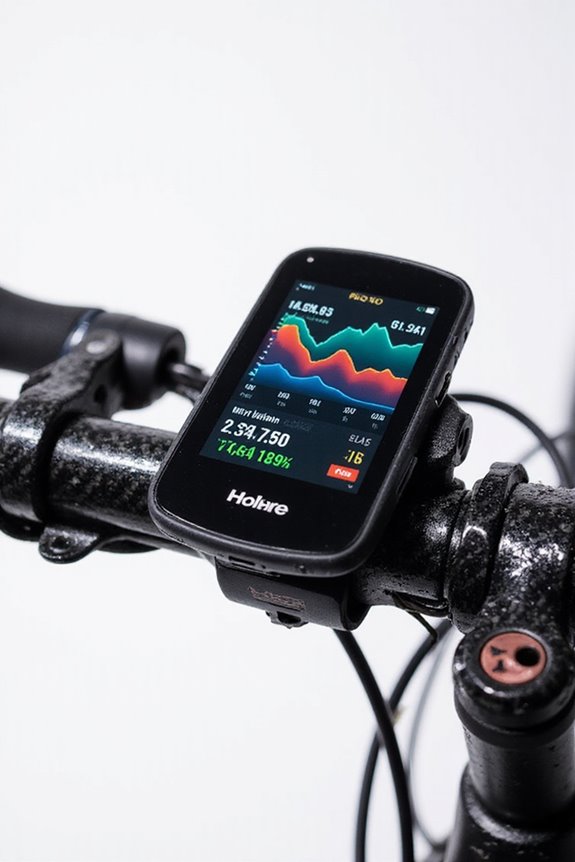
When we immerse ourselves in the world of cycling apps, we discover a variety of features designed to enhance our riding experience and capture essential data. These apps offer robust route navigation, enabling us to create custom routes with detailed elevation profiles for climbs or downhill rides. They provide turn-by-turn voice prompts to help us stay on track. Performance analytics is another highlight, allowing us to monitor key metrics like speed, distance, and even heart rate when paired with sensors. Some apps, like Cyclemeter, track over 250 statistics. By integrating with platforms like Strava, we can share our rides and engage with a community, enhancing our motivation and cycling experience overall. Additionally, many fitness trackers come equipped with continuous heart rate monitoring, offering valuable insights during cycling activities.
Recommended Products

CONNECTED EXPERIENCE - Enable Bluetooth on your mobile device to push data to a growing list of partner apps. Sync with most fitness apps by enabling proximity login on the LFconnect app. Or, connect to interactive apps for an engaging workout experience.

The xR6xi accommodates exercisers who want to really challenge themselves, as well as those who prefer a leisurely ride, effectively burning calories while seated comfortably

3G Cardio, an Arizona-based company with a combined 50 years of experience in the fitness industry, provides commercial-level quality and premium value. We offer an unmatched lifetime frame warranty, 7-year parts, and 1-year in-home labor (scroll down for commercial warranty), and you are only a phone call away from 5-star customer service 9-5 weekdays PST.
Effectiveness of GPS Trackers for Theft Prevention and Recovery

As we explore the tools available for enhancing our cycling experience, GPS trackers stand out for their role in theft prevention and recovery. These devices enhance theft deterrence through real-time location monitoring, making our bikes less appealing to thieves. The presence of a discreet tracker can increase the perceived risk for potential theft, while customizable geofencing technology sends instant alerts if our bike moves outside a designated area.
When it comes to recovery strategies, GPS trackers markedly improve the chances of recovering stolen bikes quickly. Real-time data can be shared with law enforcement, boosting recovery efforts. With studies showing a 50% reduction in theft rates, investing in a GPS tracker seems like a smart choice for peace of mind. Additionally, many fitness trackers also feature advanced health tracking capabilities, such as heart rate monitoring, which can enhance your overall cycling performance.
Recommended Products

[No Subscriptions] No Monthly Fees! We are the only company that offers a car GPS tracker with no subscriptions, activation or hidden fees ever

[No Subscriptions] – Avoid adding another subscription you might forget about. We are the only company that offers a car GPS tracker with with no subscriptions, activation or hidden fees ever.

[No Subscriptions] – Avoid adding another subscription you might forget about. We are the only company that offers a car GPS tracker with with no subscriptions, activation or hidden fees ever.
Battery Life and Connectivity Considerations

While we love the convenience and peace of mind that come with GPS trackers for cycling, understanding battery life and connectivity considerations is essential for maximizing their performance.
Battery Longevity
- Advanced models like the COROS DURA can last up to 120 hours with all systems activated.
- Solar-assisted functionalities can add up to 2 hours of riding time from just one hour of sunlight.
- Charging takes around 2 hours at ideal temperatures.
- Some fitness trackers offer extended standby time lasting up to 30 days without active tracking, which is beneficial for cyclists on long rides.
Connectivity Efficiency
- Continuous GPS tracking and sensor connectivity can drain the battery, yet devices are designed for balance.
- Disabling non-essential features, like Bluetooth, can prolong battery life effectively.
- Remember, using backlights and adjusting brightness impacts overall battery performance.
Recommended Products

Advanced tactical GPS smartwatch features a 1.4” solar charged display, titanium bezel and sapphire lens and built-in LED flashlight for after-dark visibility

Advanced, watch-style dive computer features a stunning 1.4” AMOLED display, scratch-resistant sapphire lens, 51 mm titanium bezel and optional titanium bracelet
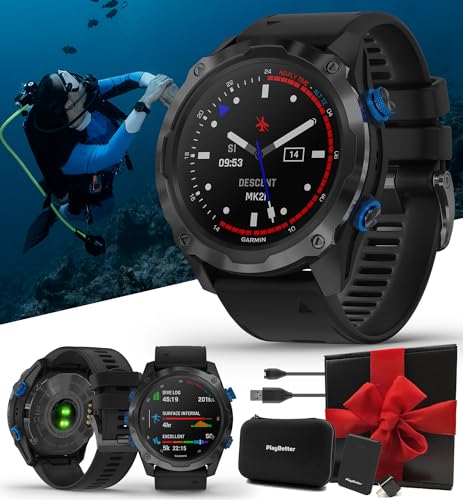
Garmin Descent Mk2i Dive Computer Watch: This advanced, watch-style dive computer with air integration capability, multiple dive modes, along multisport training features.
Data Privacy and Security Implications

Grasping the implications of data privacy and security is essential for all of us who enjoy tracking our cycling activities. Trackers collect sensitive data, including our location and heart rate, which can raise privacy concerns. Here’s what we should consider:
- Data Sensitivity: Personal health information is usually confidential. It’s vital to comprehend how our data might be handled.
- User Consent: Many companies share or sell our data with third parties, often without clear consent. Vague privacy policies can leave us unsure about who’s accessing our information.
- Storage Risks: Our data may be stored on cloud servers that can be vulnerable to breaches, exposing our personal details. Additionally, wearable health monitors like the SleepO2 Wrist Recording Pulse Oximeter can collect significant amounts of health-related data, amplifying these privacy concerns.
Remaining conscious of these factors can help us make informed decisions while enjoying our cycling experiences.
Benefits for Health, Performance, and Infrastructure Planning
When we plunge into the world of cycling trackers, it’s clear that these gadgets offer a wealth of benefits for our health, performance, and even infrastructure planning.
Health Benefits
- Make monitoring exercise duration and intensity easy, optimizing cardiovascular fitness.
- Support consistent cycling habits that can reduce the risk of heart disease by up to 46%.
- Help track pollution exposure, guiding us towards healthier routes.
Performance Optimization
- Provide real-time feedback to improve endurance and strength.
- Help set and achieve calorie burn goals, enhancing our cycling efficiency.
Infrastructure Planning
- Aggregate data aids urban planners in creating safe cycling paths.
- Track usage patterns, leading to better maintenance of bike lanes and safety improvements.
These aspects highlight why cycling trackers are a valuable addition to our cycling experience.
Recommended Products

A whole new level of camera intelligence from new AI processing unit.Aspect Ratio : 3:2

BIKE+ FEATURES: Custom Workout Generator builds workouts around your goals, schedule, and starting point. Live Rep Tracker uses the Movement Tracking Camera, allowing you to focus on what counts, not counting reps. Stay cool and in the zone with the integrated fan featuring three whisper-quiet settings

Designed with the Future in Mind
Frequently Asked Questions
Can Cycling Trackers Be Used for Other Sports Activities?
We find that cycling trackers excel in fitness tracking, showcasing their multi-sport capabilities effectively. From running to hiking, they monitor essential metrics, making them versatile tools for various activities beyond just cycling.
How Accurate Are Cycling Trackers in Urban Environments?
In the urban jungle, our cycling trackers dance with GPS signal interference, often struggling for accuracy. We see positional fluctuations amidst tall buildings, making reliable data a challenge, especially at intersections where chaos reigns.
Do Cycling Trackers Work Without a Smartphone?
Yes, cycling trackers can work without a smartphone, thanks to GPS functionality. However, we should consider battery life since continuous tracking often drains power quickly, limiting usage duration during our rides.
Can Weather Conditions Affect Tracker Performance?
We’ve all experienced those tricky days when humidity impacts our devices, haven’t we? Temperature effects can also play a role. Weather conditions certainly challenge tracker performance, so we need to be prepared for those unpredictable elements.
What Is the Lifespan of a Typical Cycling Tracker?
When we consider the lifespan of a cycling tracker, we often see batteries degrade considerably. User reviews typically mention diminishing accuracy after 2-4 years, making battery longevity an essential factor in our buying decisions.