As an Amazon Associate, we earn from qualifying purchases. Some links on this site are affiliate links at no extra cost to you. Our recommendations are based on thorough research and editorial judgment.


Can Fitness Trackers Motivate You To Exercise?

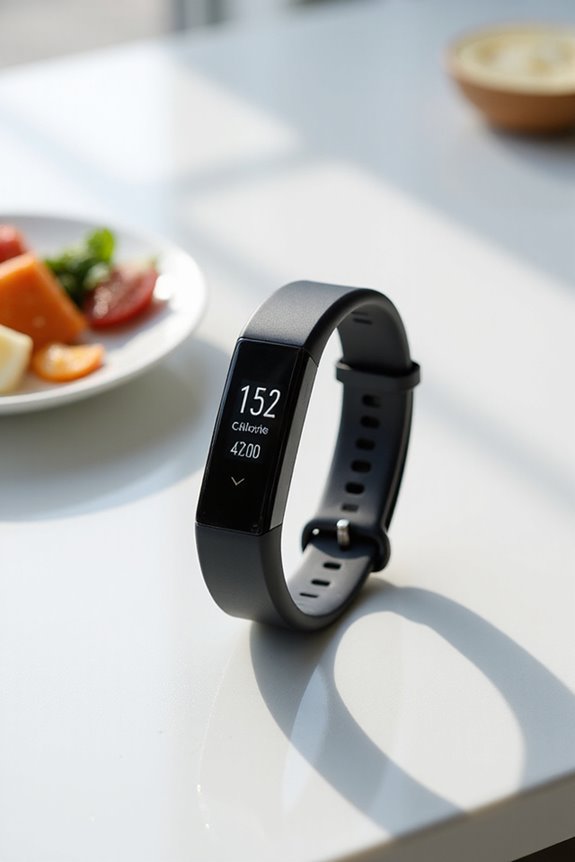
Fitness trackers can definitely motivate us to exercise. They help boost our daily steps, often adding around 1,800 extra steps and an extra 40 minutes of walking. With features like goal setting, personalized feedback, and reflective self-monitoring, we can stay engaged and committed. Plus, they help us recognize our achievements. While there are some limitations to take into account, many people find these devices effective for encouraging a more active lifestyle. Discover more about their benefits!
Key Takeaways
- Fitness trackers motivate users by logging about 1,800 extra steps and increasing walking time by 40 minutes daily.
- Personalized feedback and goal setting empower users, enhancing self-efficacy and encouraging sustained physical activity.
- Reflective self-monitoring through journals helps users identify patterns and emotional triggers that may impede their activity levels.
- Features such as challenges, rewards, and gamification strategies boost user engagement and promote consistent workouts.
- Accurate tracking and recognition of diverse fitness levels foster a supportive environment encouraging all users to prioritize their health.
The Impact of Fitness Trackers on Physical Activity Levels
You may be interested



When we think about how fitness trackers influence our daily activity levels, it’s interesting to see the impact they can have. Research indicates that user demographics, including age and fitness levels, don’t greatly hinder the effectiveness of these devices.
Some key points include:
- Users typically log around 1,800 extra steps daily.
- Trackers promote increased walking time, averaging about 40 more minutes each day.
- Across diverse populations, individuals report improved body composition and some weight loss.
Additionally, using features like challenges and rewards engages users further. Most importantly, consistent activity tracking leads to sustainable improvements over time. Collectively, these aspects make fitness trackers valuable tools for encouraging a more active lifestyle among various user groups. Furthermore, the inclusion of health monitoring capabilities can significantly enhance user motivation and fitness awareness.
Goal Setting and Its Role in Motivation
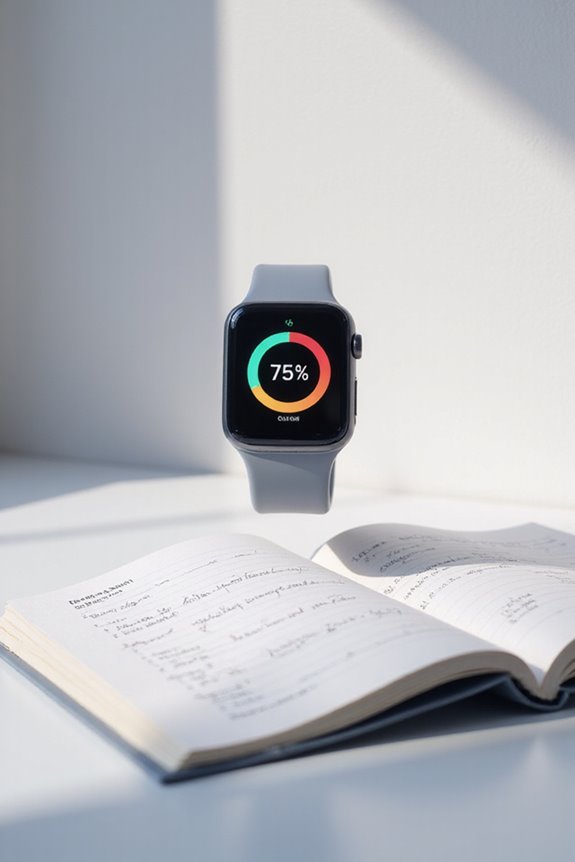
Goal setting plays an essential role in motivating us to reach our fitness milestones, contributing greatly to our commitment and enjoyment of exercise. By focusing on goal specificity, we can harness the power of clear and measurable objectives. Specific goals lead to greater physical activity and positively affect our self-efficacy and motivation.
- Performance goals, unlike general ones, concentrate on our personal achievements, empowering us to focus on reaching our potential irrespective of competition.
- Setting incremental targets, like boosting our daily step count, encourages sustained effort and growth. Additionally, integrating customizable fitness schedules into our routines can provide tailored support that enhances our progress.
Incorporating these elements into our fitness routines not only enhances our commitment but fosters a supportive environment for long-term health and well-being. Remember, it’s about achieving our personal bests.
The Power of Reflective Self-Monitoring
Reflective self-monitoring opens up a valuable avenue for enhancing our fitness journeys, especially as it helps us gain deeper insights into our behaviors and choices. By engaging in reflective journaling, we can recognize behavioral patterns that impact our activity levels. This conscious awareness encourages us to make more informed decisions about our exercise routines.
Moreover, as we actively report our activities, we’re more likely to focus on our goals and stay motivated. It also allows us to identify emotional triggers that may hinder our workouts. By understanding the discrepancies between our intended and actual activities, we can adjust our habits, promoting a healthier, more consistent lifestyle. Through this reflection, we can forge a stronger connection between our efforts and outcomes. Additionally, using structured tools like fitness tracker journals can provide a systematic approach to documenting our progress and setting meaningful goals.
Personalized Feedback and Its Effectiveness

Personalized feedback from fitness trackers offers a significant enhancement to our fitness experiences, building upon the insights we’ve gained through reflective self-monitoring. This feedback, grounded in reliable data, helps us understand our physical activity patterns more clearly. With the accuracy of step counts and calorie tracking, we can trust our trackers to motivate us effectively.
- Personalized coaching can be added for even better results.
- Feedback customization guarantees the information resonates with our individual preferences.
Additionally, the availability of health monitoring capabilities ensures that users can receive valuable insights about their overall wellness, further emphasizing the importance of consistent activity. Users often find actionable feedback prompts, like reminders and motivational messages, keep us engaged. Studies show that tracking our progress leads to noticeable increases in activity levels. Overall, these personalized touches make a significant difference in our commitment to staying active.
Recommended Products
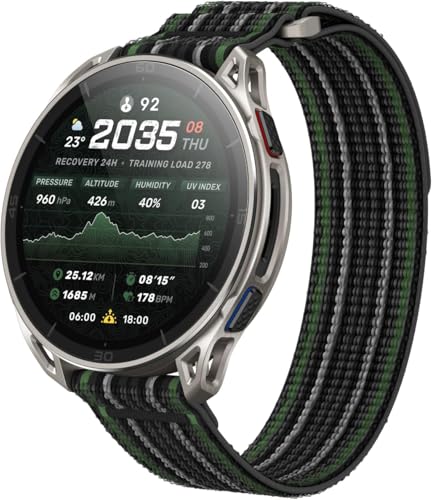
30-DAY BATTERY & ULTRA-ENDURANCE: Built for demanding races, this fitness tracker delivers the long battery life to last through marathons, with up to 60 hours of GPS battery life and up to 30 days with typical use.
Understanding Psychological Mechanisms Behind Motivation
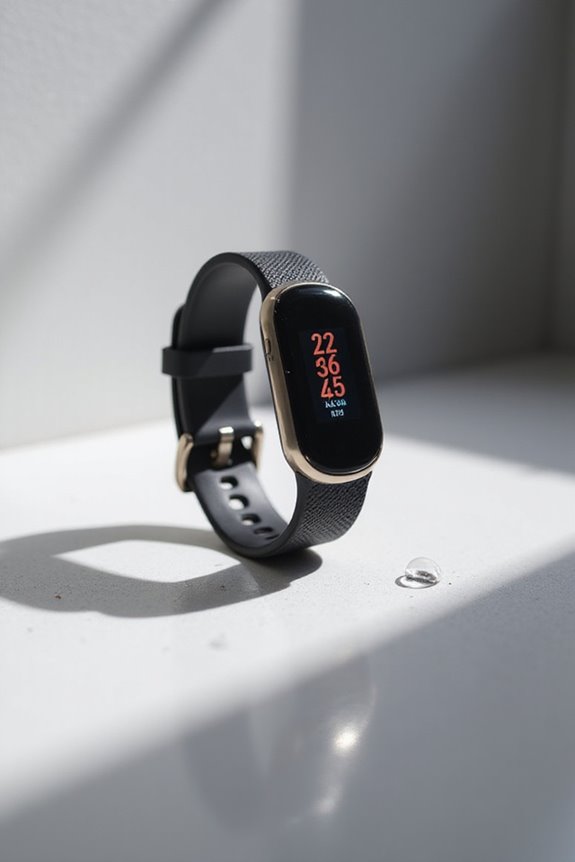
When we consider how fitness trackers motivate us, it’s essential to explore the psychological mechanisms that drive our engagement.
- Intrinsic vs. Extrinsic Motivation: Our strong intrinsic motivation often stems from personal enjoyment and health, while extrinsic factors—like goal-oriented rewards—play a secondary role.
- Psychological Needs: Trackers fulfill needs such as autonomy and competence, which can lead to emotional fulfillment and greater self-empowerment.
- User Dependency: They foster user dependency through constant behavioral feedback, creating a cycle of motivation.
- Gamification Effects: Features like congratulatory messages and challenges stimulate engagement, but can lead to negative feelings if we focus too heavily on metrics.
- Simple trackers, such as the Garmin Vivosmart 5, can enhance these motivational factors by providing straightforward feedback without overwhelming features.
Limitations of Fitness Tracker Research
While fitness trackers have become popular tools for many looking to improve their health and activity levels, it’s important to recognize the limitations of the research surrounding them. Here are a few key points to evaluate:
- Design Challenges: Many fitness trackers often struggle with accurately measuring activity, especially among older adults or those with specific health issues. This can lead to an incomplete understanding of user progress.
- User Inclusivity: Not all fitness trackers accommodate different physical abilities. Many designs overlook users with disabilities, which diminishes their overall effectiveness and appeal.
- Data Overload: While these devices collect vast amounts of data, they frequently lack personalized feedback, making it tough for users to know how to improve or adjust their routines effectively.
Understanding these limitations can help us use fitness trackers more wisely.
Long-Term Engagement Strategies for Sustained Motivation
To keep us engaged with our fitness trackers over the long haul, it is essential to employ effective strategies that foster sustained motivation.
Recommended Products

Advanced, watch-style dive computer with 1.4” color sunlight-readable display (36% larger than previous model) in an elegant yet rugged design

Bundle Includes: Garmin Descent Mk2i, Watch-Style Dive Computer with Air Integration, Multisport Training/Smart Features, Titanium Carbon Gray DLC with Black Band + USB3.0 to type-c female adapter + USB Wall Charger White Cube + Microfiber Cleaning Cloth
User Customization
- Allowing personalization helps us feel in control.
- Setting our own goals aligns the device with our fitness aspirations.
Behavior Strategies
- Breaking down large goals into manageable steps makes progress achievable.
- Regular feedback, both real-time and post-exercise, enhances our understanding of improvements.
- Dynamic goal adjustments keep the challenges ideal without discouragement.
Continuous Support
- Personalized guidance, even through app messaging, encourages accountability and prevents abandonment.
- The engagement lasts longer, as motivation often dips without individualized support.
Enhancing Fitness Trackers for Better Health Outcomes
Fitness trackers are increasingly being seen as more than just tools for monitoring activity; they’re evolving to enhance our overall health outcomes. With recent algorithm improvements, these devices are now better at estimating calorie burn, especially for diverse populations. They accurately measure energy expenditure, helping us track progress more reliably.
Key benefits include:
- Improved Accuracy: Trackers now recognize different exercise capacities, ensuring equitable recognition of all efforts.
- Engagement: They encourage consistent use by providing personalized feedback.
- Proven Impact: Studies suggest they can add about 1,800 extra steps and 40 minutes of walking daily.
As we embrace these advancements, fitness trackers can motivate us toward healthier lifestyles while catering to our unique fitness journeys.
Frequently Asked Questions
Do Fitness Trackers Work for People of All Ages?
We’ve seen how fitness trackers’ effectiveness varies across age groups. While they can boost motivation for some, others might not benefit as much. Ultimately, age plays a vital role in how we engage with these tools.
Can Fitness Trackers Help With Weight Loss?
We’ve seen that fitness trackers can support weight loss through caloric tracking and goal setting. By monitoring our activity and progress, we’re more likely to stay motivated and make healthier choices together as a community.
Are There Privacy Concerns With Fitness Tracker Data?
As we lace up our sneakers, let’s ponder—are our cherished fitness secrets truly safe? Without robust data security and clear user consent, it feels like we’re sharing our soul with the world.
How Do I Choose the Right Fitness Tracker?
When choosing the right fitness tracker, we should consider our budget, ensuring we find a model that fits our financial constraints while also considering brand reputation for reliability and performance in meeting our fitness goals.
What Features Should I Look for in a Fitness Tracker?
When choosing a fitness tracker, we should look for reliable activity tracking, heart rate monitoring, and multi-sport support. Features like GPS and sleep tracking are also key for thorough insights into our fitness journey.