As an Amazon Associate, we earn from qualifying purchases. Some links on this site are affiliate links at no extra cost to you. Our recommendations are based on thorough research and editorial judgment.

How Accurate Is Sleep Tracking On Fitness Trackers?

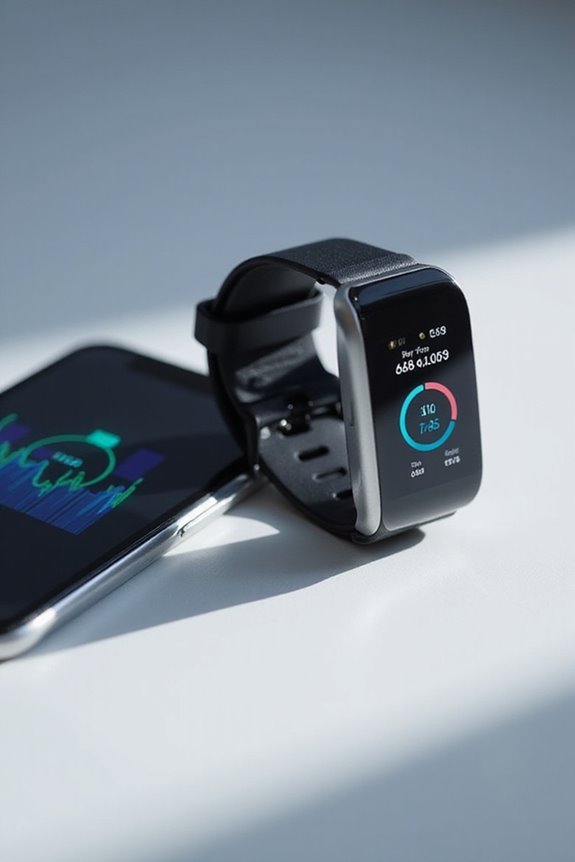
Sleep tracking accuracy on fitness trackers varies quite a bit. Some devices, like the Oura Ring, can classify sleep stages with 76% to 79.5% accuracy. However, trackers like Fitbit and Apple Watch sometimes misclassify sleep stages or overestimate light sleep, impacting total sleep time. While they offer convenience and instant feedback through apps, it’s important to understand each device’s quirks. If you’re curious about the different features and benefits of specific models, there’s more to uncover.
Key Takeaways
- Sleep trackers vary widely in accuracy, with sensitivity for sleep stage classification ranging from 76% to 79.5% for devices like the Oura Ring.
- Fitbit devices often overestimate light sleep and underestimate deep sleep, affecting total sleep time calculations.
- Apple Watches can misclassify wakefulness and deep sleep, leading to unreliable sleep tracking results.
- Most trackers show high sensitivity in detecting sleep epochs (≥0.93) but have lower specificity, causing errors in wake categorization.
- Regular use of sleep trackers offers convenience and immediate feedback, promoting awareness of personal sleep habits despite potential inaccuracies.
Overview of Sleep Tracker Accuracy
You may be interested

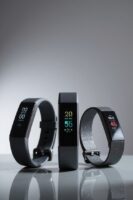

When we consider sleep trackers, we often wonder just how accurate they really are. These devices promise valuable sleep data, but their accuracy varies considerably. For instance, trackers like the Oura Ring achieve a sensitivity of about 76% to 79.5% in classifying sleep stages. Meanwhile, Fitbit devices often overestimate light sleep and miss deep sleep, reflecting common consumer trends in inaccuracies.
Apple Watches tend to misclassify wake times and deep sleep, creating discrepancies in overall sleep tracking. While total sleep time estimates align better with clinical standards, stage-specific data remains problematic. Additionally, recent models, like the Apple Watch Series 9, feature advanced health monitoring that includes sleep stage analysis to provide insights into sleep quality and duration. Overall, understanding the strengths and limitations of various trackers helps us make informed choices to improve our sleep quality.
Sensitivity and Specificity of Sleep Trackers

Sensitivity Analysis
Sleep trackers generally excel at identifying sleep epochs, often achieving a sensitivity of ≥0.93. For example, the Fitbit Charge 4 shows a sensitivity of 75% for deep sleep and 86.5% for REM sleep. However, they might overestimate total sleep time by misclassifying wake periods as sleep. The detailed sleep stage monitoring offered by top models helps users gain better insights into their sleep quality.
Specificity Evaluation
Specificity, on the other hand, tends to be lower, ranging from 0.18 to 0.54 across devices. This means trackers sometimes mistakenly categorize wakefulness as sleep, leading to inaccuracies, particularly with awakenings. Balancing sensitivity and specificity is essential for effective sleep tracking, impacting how we perceive our sleep patterns.
Recommended Products


【Non-Wearable Sleep Tracking for Better Rest】SOMNDEEP uses 60GHz millimeter-wave radar to help track sleep routines contactlessly and quietly. With no skin contact and no tight wearables, it offers a gentle, comfortable option for adults, seniors, users with sensitive skin, a wide range of body types, and anyone who wants to understand sleep habits without disrupting natural rest.
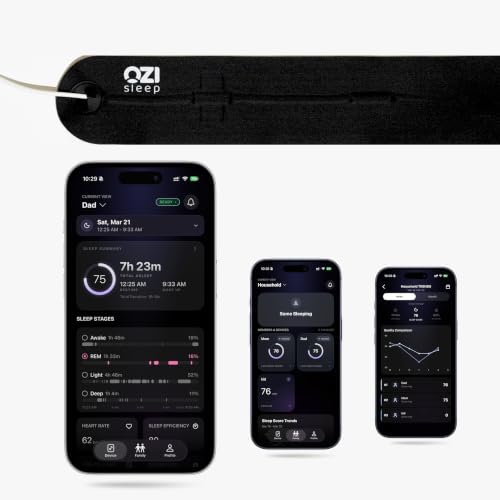
NO WATCH, NO RING, NO CAMERA: OZI Sleep slides under your sheet to track overnight sleep patterns without a watch, ring, wristband or camera in the room. Just sleep normally and let OZI do the tracking
Device-Specific Performance Insights
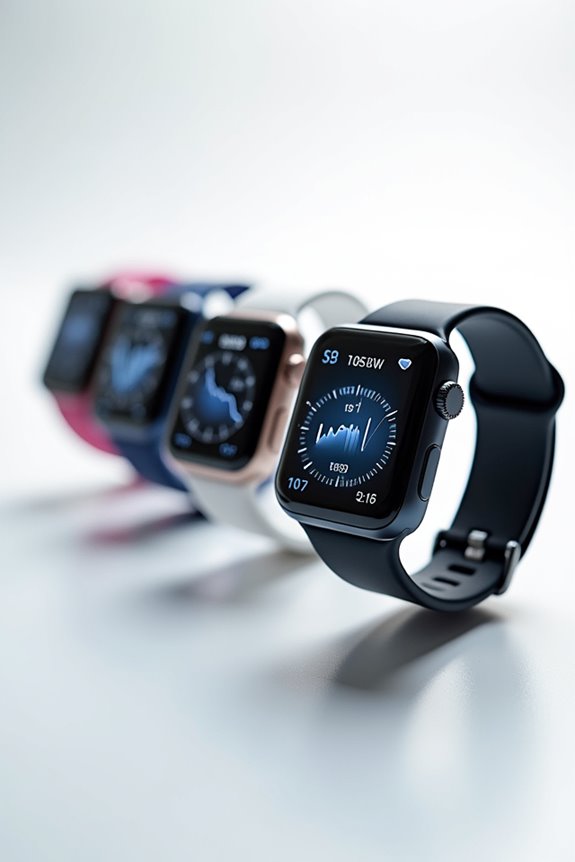
Gaining insights into how various sleep trackers perform can really help us make informed choices. Here’s a quick breakdown:
- Fitbit Performance: Known for good wake detection, Fitbit devices often overestimate sleep duration and efficiency. They generally offer reliable tracking with heart rate integration. The Fitbit Charge 5 also features comprehensive health tracking that can further enhance sleep analysis.
- Garmin Limitations: While Garmin trackers excel in sleep sensitivity, they typically misclassify awake periods, leading to an overestimation of total sleep time.
- Oura Advantages: The Oura Ring provides precise biometric data and detailed sleep analytics, though it may report lower sleep scores. The monthly subscription adds extra features.
- Whoop Recovery: Focusing on performance and recovery, Whoop offers extensive sleep insights, but it requires a subscription and may have inaccuracies in wake detection.
Understanding these nuances helps us choose the right tracker.
Recommended Products

Advanced, watch-style dive computer with 1.4” color sunlight-readable display (36% larger than previous model) in an elegant yet rugged design
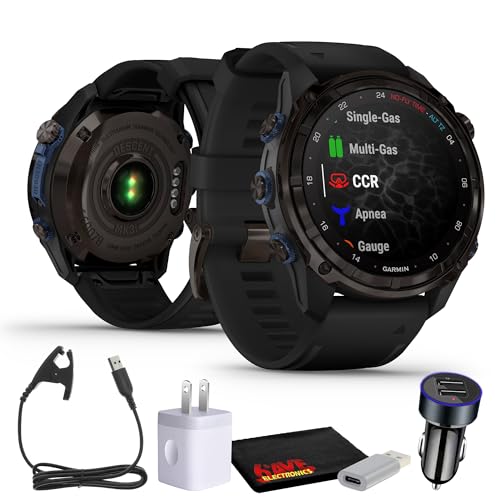
1.4" AMOLED Color Display With Sapphire Lens: Advanced, Garmin Descent Mk3i Dive Computer Smart Watch Features A Stunning Scratch-resistant bright 1.4” AMOLED color display, sapphire lens, 200-meter dive-rated case and leakproof metal inductive buttons, this Scuba watch is built to go deep. Battery Life Up To 66 Hours In Dive Mode, Diving Mode With Air Intergration Up To 40 Hrs, Smartwatch Mode Up To 25 Days, Battery Saver Watch Mode Up To 31 Days, GPS Only Up To 76 Hours.

Advanced tactical GPS smartwatch features a bright 1.4” AMOLED display, titanium bezel and sapphire lens, enhanced graphical interface and built-in LED flashlight for after-dark visibility
Challenges in Wake Detection and Sleep Stage Classification

Detecting when we’re awake versus asleep can be trickier than it seems, especially with consumer sleep trackers. While these devices show high sensitivity for sleep detection, their wake detection can miss the mark. Often, they misclassify wakeful episodes as sleep, leading to inflated sleep times.
Key challenges include:
- Wake Detection: Accuracy ranges from 41-80% for identifying awake periods, which can result in false positives during quiet wakefulness.
- Sleep Classification: Detecting sleep stages like light, deep, and REM shows sensitivity of only 50-86%. This inconsistency often reflects a tendency to overestimate light sleep and underestimate deeper stages. Additionally, many modern fitness trackers offer comprehensive fitness assessments that enhance the overall user experience by providing insights into sleep quality.
Recommended Products

P90X DVD WORKOUT PLAN: P90X includes 12 sweat-inducing, muscle-pumping workouts, designed to help transform your body from regular to ripped in just 90 days.

Advanced, watch-style dive computer with 1.4” color sunlight-readable display (36% larger than previous model) in an elegant yet rugged design

BUNDLE INCLUDES: Garmin tactix 7 AMOLED Premium Tactical GPS Smartwatch, Signature Series Garmin Watch Charger Stand, and Signature Series Power Bundle
Benefits of Using Commercial Sleep Trackers

When it comes to tracking our sleep, commercial sleep trackers offer a range of benefits that make them appealing for everyday use.
- Continuous Monitoring: These devices allow us to observe our sleep patterns continuously in the comfort of our home, which is more convenient than clinical tests.
- User Experience: They’re easy to use, giving immediate feedback via smartphone apps without needing to visit a clinic.
- Comprehensive Data: Many trackers combine sleep data with heart rate and oxygen levels, providing a broader health perspective.
- User Engagement: By tracking our sleep regularly, we become more aware of personal sleep behaviors, helping guide adjustments for better sleep hygiene.
Additionally, advanced features like continuous heart rate monitoring help users gain insights into how their heart health affects their sleep quality.
Their affordability and accessibility make them suitable for the general population, enhancing our understanding of sleep health.
Recommended Products

Multisport GPS smartwatch features a high-resolution 1.4" MicroLED display that offers remarkable brightness and detail — up to 4,500 nits with over 400,000 individual LEDs — producing rich colors, wide viewing angles and superior readability in intense lighting conditions, such as direct sunlight

Advanced, watch-style dive computer features a stunning 1.4” AMOLED display, scratch-resistant sapphire lens, 51 mm titanium bezel and optional titanium bracelet

Advanced tactical GPS smartwatch features a 1.4” solar charged display, titanium bezel and sapphire lens and built-in LED flashlight for after-dark visibility
Impact of User Behavior on Data Accuracy
User behavior greatly influences the accuracy of sleep data collected by fitness trackers.
We know that our user habits can profoundly impact the results we see. For instance, sticking to a consistent bedtime helps devices better interpret our sleep patterns. If we frequently check our devices during the night, we might interrupt our own sleep, leading to less reliable data.
Moreover, device familiarity plays a role. When we wear devices snugly and accurately, we enhance their tracking consistency. Poor placement or removal during the night can break the continuity of data, weakening its reliability.
Additionally, factors like sharing a bed or experiencing restless legs may confuse the tracker, further complicating accuracy. Understanding these elements can ultimately lead to improved sleep insights.
Recommendations for Optimal Use of Sleep Trackers
Getting the most out of our sleep trackers can make a significant difference in how we comprehend our sleep patterns. Here are some best practices and user tips to enhance our tracking experience:
- Choose wisely: Opt for devices validated against polysomnography for better accuracy, like the Oura Ring.
- Wear consistently: Keep the device snug on the correct wrist or finger to avoid data inaccuracies.
- Optimize our environment: Create a dark, quiet, and cool sleeping space to foster better tracking.
- Engage with the app: Customize sleep windows and input information accurately to improve data collection.
- Look for trends: Focus on patterns over multiple nights instead of single-day reports for a clearer picture.
Frequently Asked Questions
Can Sleep Trackers Help in Diagnosing Sleep Disorders?
We believe sleep trackers can provide valuable insights into sleep disorder symptoms, but they’re not reliable diagnostic tools alone. They’re best viewed as supplementary devices, helping us monitor patterns before seeking professional evaluation.
Do Sleep Trackers Require Calibration or Adjustment for Accuracy?
It is understood sleep trackers generally don’t require user calibration methods. Instead, they rely on automatic adjustment techniques over time, adapting to our individual sleep patterns and improving accuracy without our direct involvement.
How Does Age Affect Sleep Tracking Accuracy?
As we drift through the sleep cycle, age-related changes can subtly blur the lines between wakefulness and slumber. Our trackers often struggle to keep up, misclassifying our still moments as peaceful rest, leading to inaccuracies.
Can Battery Life Impact Sleep Tracking Performance?
We understand battery performance plays an essential role in tracking reliability. When our devices maintain longer battery life, we achieve more consistent data collection, allowing for accurate sleep metrics without interruptions in tracking due to charging needs.
Are There Privacy Concerns With Using Sleep Trackers?
We’ve all marveled at our sleep patterns, but with sleep trackers, data security and user consent are critical concerns. It’s essential we comprehend how our sensitive information is handled and shared by these devices.