As an Amazon Associate, we earn from qualifying purchases. Some links on this site are affiliate links at no extra cost to you. Our recommendations are based on thorough research and editorial judgment.


Can Trackers Motivate Exercise?

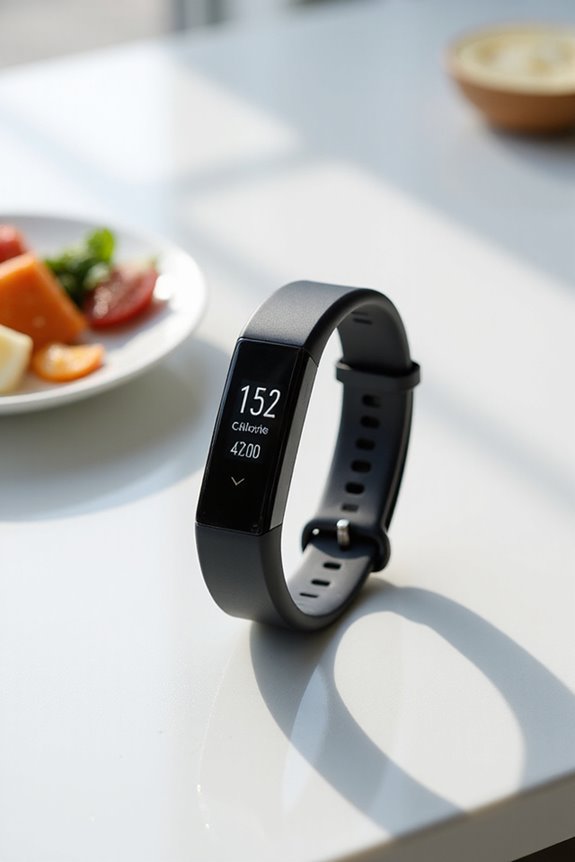
Wearable trackers can definitely motivate us to exercise. They offer personalized feedback and engaging features that promote activity. Many users experience an increase of about 1,800 daily steps. Social aspects, such as community challenges and leaderboards, add a fun element and help keep us accountable. With regular reminders and motivational cues, we can overcome busy schedules and stay on track. If we explore further, we can discover more about maximizing the benefits these trackers offer.
Key Takeaways
- Wearable trackers can increase daily steps by an average of 1,800, significantly motivating users to exercise more frequently.
- Personalized feedback and self-directed goal-setting enhance user engagement and motivation, leading to sustained exercise routines.
- Social features, such as community challenges and leaderboards, foster accountability and encourage competition, motivating users to stay active.
- Emotional messaging and frequent reminders help overcome barriers, reinforcing users’ commitment to their fitness goals.
- Consistent use of trackers can improve mental well-being, reducing anxiety and boosting motivation to maintain an active lifestyle.
The Science Behind Wearable Trackers
You may be interested


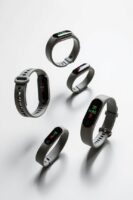
Wearable trackers have transformed the way we approach physical activity. These devices leverage tracker technology to effectively boost physical activity across different ages and health statuses. Studies show an average increase of 1,800 daily steps and 40 additional minutes of walking. Many users find features like motivational cues, rewards, and challenges to enhance their user experience, with around 83% rating motivational cues as the most helpful. However, we’ve noticed that sustained engagement can be a challenge, as many people stop using these trackers after six months. Personalizing device settings and allowing self-directed goal-setting have proven essential for keeping us motivated and active. Additionally, the continuous health monitoring capabilities, such as heart rate monitoring, enable users to track their fitness progress more effectively. Overall, these devices offer practical benefits that help reshape our approach to fitness.
Impact of Personalized Feedback

Personalized feedback can greatly enhance our motivation for exercise, acting as a powerful tool to keep us engaged with our fitness routines. When we receive personalized messaging, it feels more relevant and can boost our commitment. Research shows that emotional appeal in these messages can be more effective than straightforward facts, making us more likely to stick with our plans.
Additionally, frequent reminders play a significant role, especially for those of us who might not naturally feel motivated. Personalizing both the tone and timing of these messages can further help us overcome hurdles like busy schedules or intimidating goals. Ultimately, tailored feedback not only encourages us to exercise more but also fosters a more heartfelt connection with our fitness journey. Incorporating features like continuous heart rate monitoring can also provide valuable insights into our progress, making our exercise routines more informed and effective.
Engaging Features of Activity Trackers

When we think about engaging features in activity trackers, several elements come to mind that can enhance our experience and boost our motivation.
- Social Support: The ability to connect with friends and join community challenges fosters motivation. Achievements shared among peers create accountability, making it easier to stick with our goals.
- Competition Features: Leaderboards and group challenges introduce a fun layer of competition. This can motivate us to push ourselves further and keep our activity levels up.
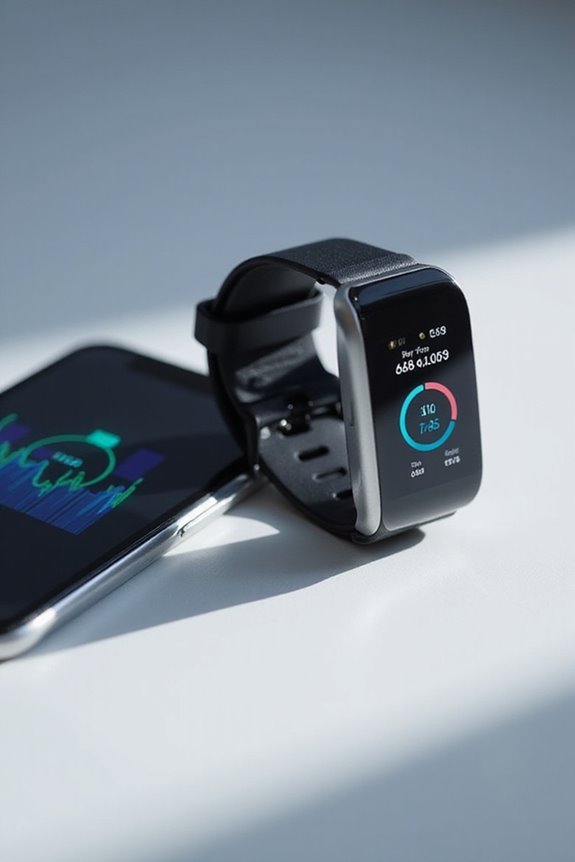
Moreover, the integration of real-time health metrics allows users to monitor their progress and health insights instantly, enhancing the overall effectiveness of their fitness journey.
Seeing our progress against others helps us stay engaged and can even encourage those who haven’t started tracking. Ultimately, these features create an inviting environment that promotes an active lifestyle and keeps us coming back for more.
User Autonomy and Personalization

User autonomy and personalization are essential elements that can greatly enhance our experience with activity trackers. By allowing for personalized settings, we can align our fitness goals with our user preferences. This autonomy impact is crucial because it helps us stay interested and motivated over time. When we customize our trackers, we maintain control over the feedback, preventing dependency and fostering longer-term engagement.
Additionally, this balance between external feedback and self-direction encourages us to celebrate our achievements rather than feel pressured. Ultimately, when we feel in charge of our choices, we’re more likely to continue our exercise routines, as our motivations evolve beyond initial curiosity. Personalization keeps us focused, making our fitness journey more enjoyable and sustainable. Fitness trackers that offer customizable watch faces empower users to express their individuality while tracking their fitness goals.
Demographics and Engagement Patterns
Understanding the demographics and engagement patterns of fitness tracker users reveals fascinating insights about how different groups interact with these devices.
- Age Demographics: Younger adults (18-24) are the largest group using trackers, while older adults (55+)—especially men—tend to use them less frequently.
- Socioeconomic Factors: Higher income levels see a significant increase in tracker usage, with 31% of earners above $75,000 utilizing them.
- Racial Disparities: Usage rates reveal Hispanic adults lead at 26%, followed by Black adults at 23%.
- Urban vs Rural: Urban residents (35%) adopt trackers more than those in rural areas (30%).
These differences paint a clear picture of varying motivation profiles, reflecting how lifestyle and accessibility affect engagement with fitness technology. Additionally, health monitoring capabilities like heart rate tracking and sleep analysis play a crucial role in motivating users across different demographics to maintain an active lifestyle.
Sustaining Motivation Over Time
Sustaining motivation over time can be a challenge for many fitness tracker users, especially as the initial excitement fades. After the novelty period, we often find that motivation longevity relies on various factors. These include personal goals, social influences, and the technology’s ability to engage us consistently.
Moreover, users who receive personalized feedback, like daily encouragement or progress updates, tend to keep their momentum longer. It’s essential to interact with motivational cues and features that resonate with us. If we’re not careful, we might experience a drop-off in user retention, often within the first six months. Balancing internal and external motivators can help us maintain our commitment to fitness and enhance our overall experience with the tracker.
The Role of Rewards and Challenges
When it comes to keeping our fitness journey engaging, the role of rewards and challenges can’t be overlooked. Reward systems in fitness trackers often include vibrations, congratulatory messages, or even monetary incentives. Studies show that using loss incentives tends to motivate more effectively than gain incentives. When we set personalized goals, we typically feel more driven—66.6% of participants said goal-setting encouraged them.
Understanding different challenge types also plays a significant role. Personalized challenges can enhance our motivation beyond simple tracking. When we receive honest feedback and motivation, it helps sustain our interest in our workouts. As a result, balancing rewards with challenges is essential for maintaining our fitness journey and overall engagement over time.
Market Growth and Innovations
The global fitness tracker market is on an impressive growth trajectory, projected to surge from approximately $58.1 billion in 2026 to about $70.22 billion in just a year. This significant market expansion is driven by rising health consciousness and a growing demand for innovative features.
Key technological advancements, such as AI and IoT, enhance user experience through personalized insights and real-time data. The introduction of various wearable tech, including smartwatches and fitness bands, caters to diverse preferences.
Moreover, increased investments in research and development promote even more refined devices. With forecasts estimating the market could reach up to $310.74 billion by 2032, it’s clear that fitness trackers are evolving rapidly, reflecting our commitment to better health and wellness choices.
Psychological Benefits Beyond Physical Activity
While many of us think of fitness trackers as tools for counting steps or monitoring workouts, their benefits extend far beyond just physical activity. These devices support our mental well-being by visualizing progress and setting achievable goals, which can reduce anxiety and depression symptoms.
Key benefits include:
- Emotional support: Social features foster community, combating feelings of isolation.
- Increased self-awareness: Trackers help us monitor important metrics like sleep patterns and heart rate.
- Mindset shifts: Positive feedback influences our health beliefs, boosting motivation and accountability.
With consistent use, many users report improvements in mood and fatigue, demonstrating how trackers aren’t just about exercise but also enhance our overall mental health experience.
Strategies for Effective Tracker Use
To effectively harness the power of fitness trackers, we need to contemplate how we can personalize our experience. Here are some strategies to enhance our tracker use:
- Tracker Integration: We should consider incorporating trackers into existing workout routines. This way, we can amplify our overall physical activity levels rather than relying solely on the device.
- Goal Adjustment: It’s important to adjust our goals regularly. Personalized targets increase motivation and help us stay engaged in our fitness journeys.
- Feedback Utilization: Let’s make use of the feedback our trackers provide. Relying on accurate data helps build our confidence and encourages adherence to positive habits.
Frequently Asked Questions
How Do Different Trackers Compare in Features and Effectiveness?
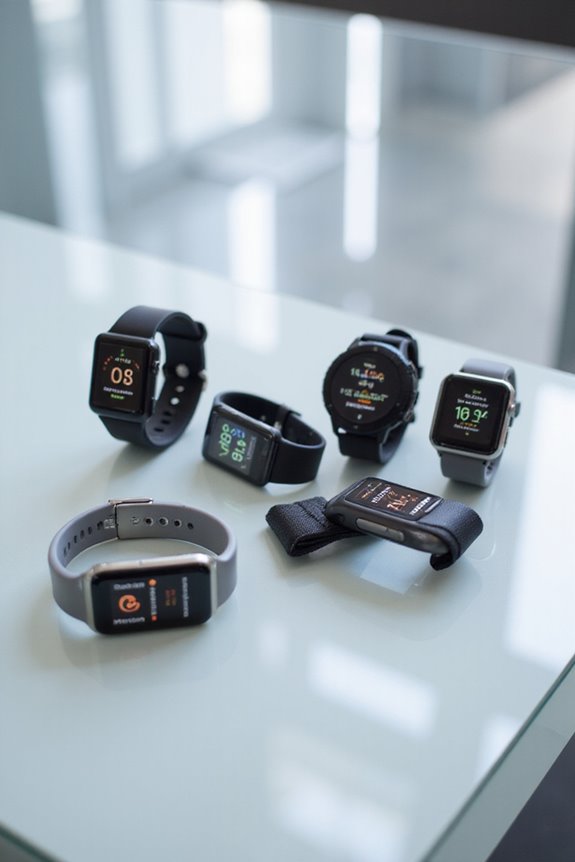
When exploring feature comparison and effectiveness analysis, we find that fitness trackers serve basic monitoring needs, while smartwatches cater to those desiring extensive functionalities. Each type offers unique advantages in tracking our wellness journeys.
Can Elderly Users Benefit From Wearable Activity Trackers?
Absolutely, elderly users can benefit from wearable activity trackers. We’ve seen their positive impact on physical engagement, encouraging activity tracking that promotes healthier habits and improved wellbeing—crucial factors for maintaining an active lifestyle in later years.
What Are the Long-Term Effects of Tracker Use on Health?
When we consider long-term effects of tracker use on health, we find significant improvements in activity levels and modest health outcomes. Personalizing feedback enhances these benefits, ensuring we maintain healthy habits and optimize our overall health.
Are There Specific Trackers Recommended for Beginners?
When choosing a tracker, we should consider beginner preferences and essential tracker features like ease of use, comfort, and meaningful insights. Models like Fitbit Inspire 3 and Amazfit Band 7 are great starting points for us.
How Do Wearable Trackers Integrate With Other Fitness Apps?
Wearable trackers integrate seamlessly with various fitness apps through data synchronization and app compatibility. This allows us to consolidate our health data, access advanced analytics, and engage in community challenges, thereby enhancing our overall fitness experience.