As an Amazon Associate, we earn from qualifying purchases. Some links on this site are affiliate links at no extra cost to you. Our recommendations are based on thorough research and editorial judgment.

What Are The Best Glucose Monitors?

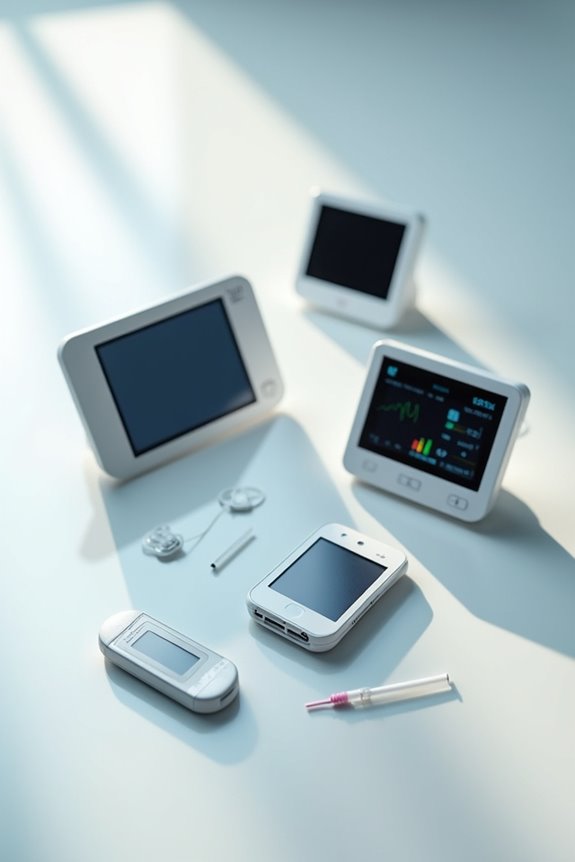
When it comes to finding the best glucose monitors, we have some great choices. The Contour Next One stands out for its reliable performance and smartphone connectivity. The Accu-Chek Aviva Plus is known for its user-friendly design and large memory. For real-time data, the Dexcom G7 offers continuous monitoring with alerts. Each option caters to different lifestyles and preferences while ensuring accuracy in tracking. Stick around, and we’ll explore features and innovations further!
Key Takeaways
- Contour Next One: Known for reliable performance and smartphone connectivity, making it suitable for modern health management.
- Accu-Chek Aviva Plus: Favored for its simplicity and large memory, ideal for users seeking ease of use.
- OneTouch Ultra2: Features a quick “test now” option and a large display for uncomplicated readings.
- Dexcom G7: Offers continuous glucose monitoring with Bluetooth capabilities, providing real-time updates and alerts for better management.
- Innovative Options: Consider emerging non-invasive monitors and AI-integrated systems for enhanced comfort and personalized diabetes management.
Understanding Glucose Meter Accuracy Standards
You may be interested

When we talk about glucose meter accuracy standards, it is vital to understand what they really mean for us as users. These accuracy requirements are set to guarantee that our glucose meters provide reliable readings, which is significant for our daily management. According to the FDA, at least 95% of readings must be within ±15% of a lab value when glucose levels are above 75 mg/dL, confirming our results are close to true values.
Testing protocols play a key role here, with meters requiring larger clinical studies of at least 350 participants for validation. The recent draft rules suggest even stricter standards, urging manufacturers to assure accurate performance. This gives us confidence that our glucose meters are more reliable and effective. Additionally, understanding the importance of clinical study validation can help users choose the best glucose monitoring devices available.
Recommended Products
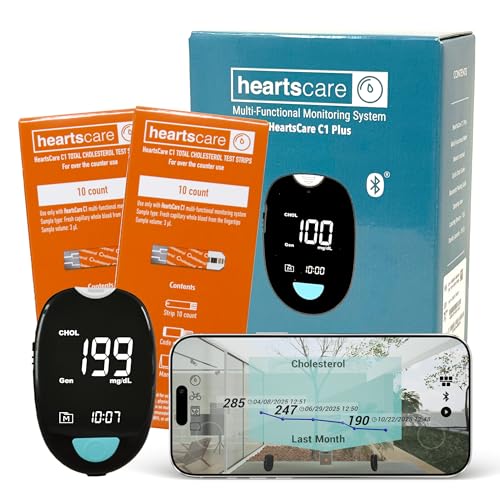
Lifetime meter replacement and Complimentary replacement of expired strips with your next strip order - HeartsWarranty

This three-month supply kit is designed to help you easily manage your diabetes and have better control of your health; Includes: 300 Softclix lancets, 300 Guide test strips, Guide control solutions, and free self-test diary; Packaging received may vary; New look, same trusted product
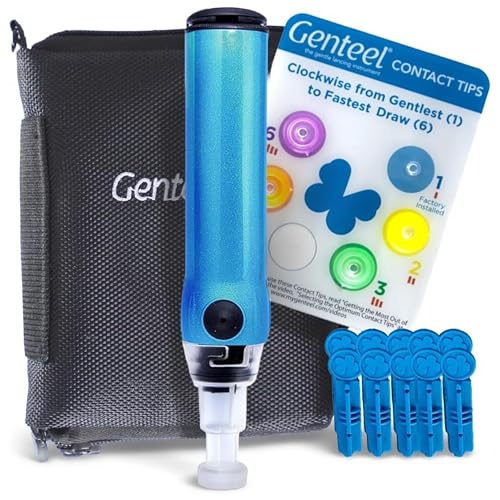
Universal Compatibility - Engineered to work perfectly with any meter and test strips available.
Comparison of Blood Glucose Monitors
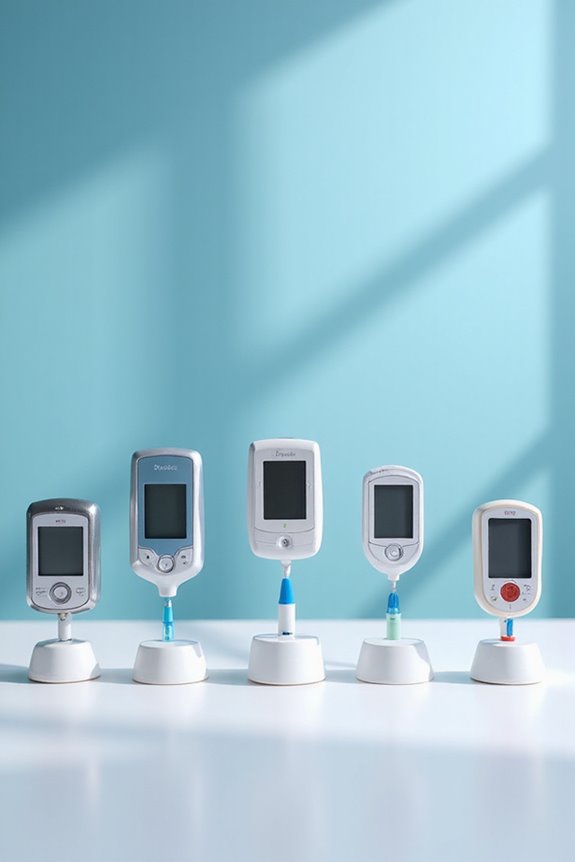
Choosing the right blood glucose monitor can feel overwhelming, especially with so many options available. When comparing traditional meters like the Accu-Check Aviva Plus and the OneTouch Ultra2, both offer user-friendly designs and reliable results, storing up to 500 tests. However, they lack Bluetooth, limiting connectivity and data sharing.
On the other hand, meters like the Dexcom G7 provide Bluetooth-enabled continuous data, enhancing user experience by offering real-time updates without painful fingersticks. The Contour Next One is also praised for its simplicity and consistent meter reliability, making it an excellent choice for newcomers. Ease of operation is essential when selecting a glucose monitor, ensuring that users can easily navigate their devices for optimal health management. Each option presents unique features; weighing these will help us find the best match for our needs.
Recommended Products


⚠️ONLY COMPATIBLE with iPhones up to 14⚠️
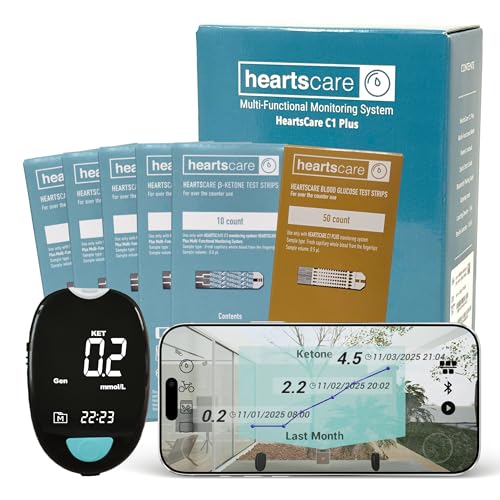
Individual strip packages for enhancing storage stability
Continuous Glucose Monitors vs. Traditional Meters
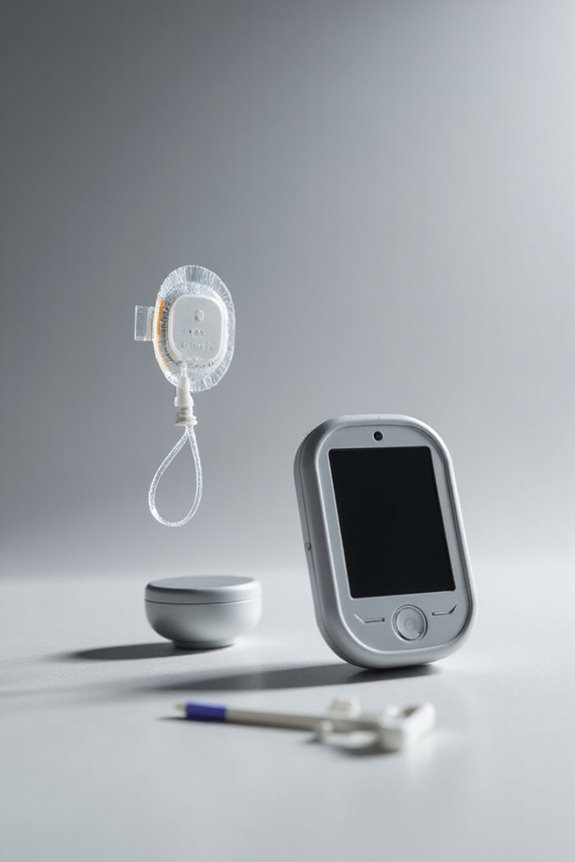
In comparing continuous glucose monitors (CGMs) and traditional meters, it’s clear that each offers distinct advantages for tracking glucose levels.
CGM Advantages:
- Continuous readings every 5 minutes help us see trends and make informed decisions.
- They provide real-time alerts for potential highs or lows, enhancing our ability to manage glucose.
Meter Limitations:
- Traditional meters require fingersticks for single readings, often needing several tests a day.
- They don’t show trends, leaving us with only a snapshot of our levels at that moment.
While CGMs may come with a higher cost and require wearing a sensor, the insights and convenience they offer can greatly enhance our glucose monitoring experience. Additionally, many wearable medical devices are designed to monitor vital health metrics such as heart rate and oxygen levels, providing a comprehensive view of health. Ultimately, choosing the right tool depends on our individual needs and lifestyle preferences.
Recommended Products

iGlucose Connected Glucose Monitor: The Gold Standard in Diabetes management INCLUDES UNLIMITED STRIPS and LANCETS. Simplify your readings for the Patient, Caregiver, and Provider
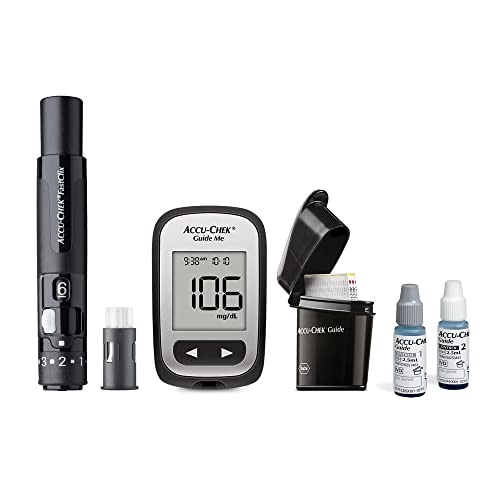
Help manage your diabetes with this practical and precise starter kit; Includes: Guide Me meter (batteries included), FastClix lancing device, 108 FastClix lancets, 100 Guide test strips, Guide control solutions, and carrying case; Packaging received may vary; New look, same trusted product
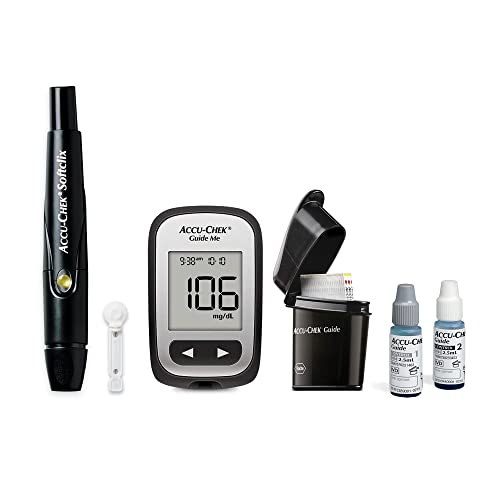
Help manage your diabetes with this practical and precise starter kit; Includes: Guide Me meter (batteries included), Softclix lancing device, 110 Softclix lancets, 100 Guide test strips, Guide control solutions, and carrying case; Packaging received may vary; New look, same trusted product
Recommended Meters for Clinical Use

Finding the right glucose monitor for clinical use can make a significant difference in managing our day-to-day glucose monitoring routine. Here are some recommended meters that excel in accuracy and usability features:
- Contour Next One: Known for its reliable performance, it connects to a smartphone app for easy tracking and sharing.
- Accu-Chek Aviva Plus: This portable meter holds 500 test results and is favored for its simplicity.
- OneTouch Ultra2: With its quick “test now” feature and large display, it’s perfect for busy environments.
- Dexcom G7: Offers continuous monitoring with alerts for fluctuations, enhancing patient compliance.
Additionally, understanding the importance of measurement consistency can help patients choose a monitor that meets their specific needs. Each option caters to different patient preferences while ensuring we have the tools for effective glucose management.
Recommended Products
![McKesson Lancets for Diabetes Testing [2000 Count] Lancing Device for Blood and Glucose Test, 28G x 1.5 mm, Push Button Activation, Sterile, Single Use](https://m.media-amazon.com/images/I/51w2mzxr5zL._SL500_.jpg)
EASY PUSH-BUTTON OPERATION: spring-activated safety lancets enable simple one-step blood sample collection without need for lancet loading

WHAT YOU GET: DNA reports related to Methylation Genetics , AHCY, BHMT, CBS, MTHFS, MTHFD1, MTHFD1L, MTR, MTRR, Betaine, DHFR, DNMT3B, FOLH1, GNMT, MAT1A, SHMT1, TMYS, and more.

✅ At-Home Cholesterol Testing – Easy-to-use kit for total cholesterol monitoring at home
Practical Considerations for Glucose Monitor Selection
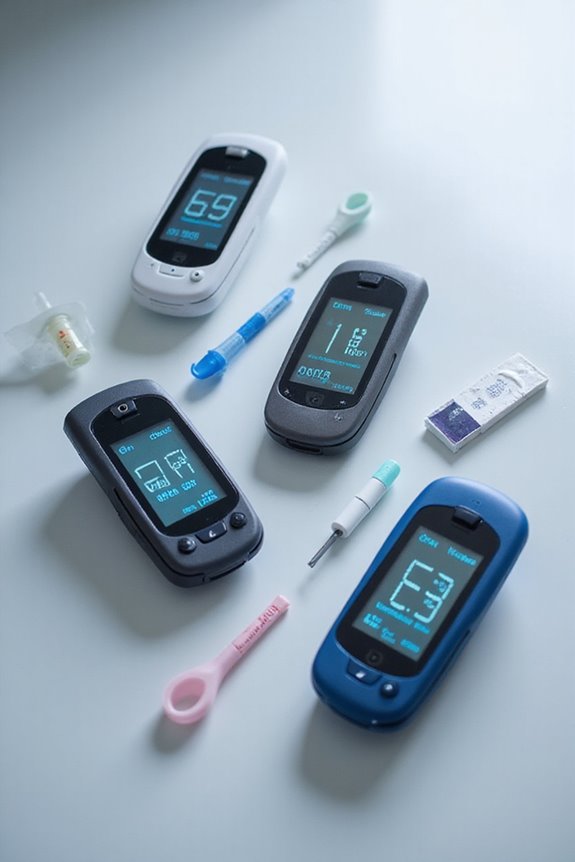
When selecting a glucose monitor, it’s essential to take into account various practical aspects that can greatly affect our experience and effectiveness in managing glucose levels.
- User-Friendly Features: Look for monitors with large displays, spoken instructions, or easy-to-navigate menus. These features can simplify our routine.
- Blood Sample Size: Opt for devices that require smaller blood samples, making frequent testing less intimidating.
- Testing Speed: Faster results can make a difference, particularly for those needing constant monitoring.
- Portability: Choose a compact design for easy transport.
- Data Management Options: Some monitors allow tracking results and syncing them to apps, enhancing our ability to monitor trends.
Additionally, evaluating monthly subscription costs in glucose monitoring systems can also play a significant role in affordability and accessibility. Considering these points can help us pick the right glucose monitor for our lifestyle.
Recommended Products

ESSENTIAL FOR BREWERS & WINEMAKERS: The go-to tool for precise sugar and wort measurements in beverage crafting

Real-Time Lactate Trend Tracking Designed for athletes and coaches to monitor lactate variation during training. Enables effective endurance zoning and workout planning.

Dual Pet Glucose & Lactate Monitoring for Dogs and Cats: This pet glucose monitor kit measures both glucose and lactate levels in animals using one compact device. The system works as a pet blood glucose monitor kit and metabolic analyzer for daily monitoring of dogs and cats. It is suitable for pet owners, veterinarians, and trainers who need reliable pet glucose monitoring to better understand an animal’s health and performance.
Innovations in Glucose Monitoring Technology
As we explore glucose monitors, it’s exciting to see how technology has been evolving to make our monitoring experience even more user-friendly and effective. We’re seeing innovations like non-invasive monitoring with devices such as Apollon’s MOGLU, which uses light to measure glucose on the skin without blood samples. This is a big leap in comfort for us!
Additionally, multiparameter biosensing is emerging. For example, Abbott’s upcoming device combines glucose and ketone monitoring, helping us better understand our metabolic health. The introduction of devices that analyze sweat and AI apps predicting blood sugar responses is truly enhancing our ability to manage glucose more intuitively. This new tech is reshaping how we engage with our health daily, offering us comfort and convenience.
The Importance of Accuracy in Diabetes Management
How essential is accuracy in managing diabetes effectively? It is understood that accurate glucose readings are crucial for making informed decisions regarding insulin dosing. Unfortunately, only 6 out of 18 popular glucose monitors reach the necessary accuracy standards. When monitors fail to deliver reliable readings, the accuracy implications can lead to poor treatment choices, potentially resulting in hypoglycemia or inadequate blood sugar control.
Building patient confidence hinges on trust in these readings. If users doubt their monitors, they might skip necessary checks, which can destabilize their management routines. Overall, ensuring accuracy in glucose monitoring isn’t just a technical detail; it profoundly impacts user experience and health outcomes, underscoring the critical nature of reliable devices for diabetes management.
Factors Affecting Meter Performance
Understanding the factors that influence glucose meter performance is key for anyone relying on these tools. A few key elements affect accuracy:
- Sample Handling: Freshness of blood samples plays a significant role. Reliable results come from well-handled samples—whether fresh or prepared in clinical settings.
- Physiological Factors: Anemia or hydration levels can skew readings. It’s crucial to reflect upon how variations in blood composition affect measurements.
- Accuracy Consistency: Meters show variable accuracy, from 5.6% to 20.8% difference compared to laboratory benchmarks. This variance can lead to misleading results, especially in low glucose ranges.
Future Trends in Glucose Monitoring Solutions
With the rapid evolution of technology, we’re witnessing exciting advancements in glucose monitoring solutions that promise to make managing our daily health routines more convenient.
Future Innovations
- New sensor materials will enhance comfort and accuracy, reducing the need for finger pricks.
- Continuous glucose monitors (CGM) will increasingly sync with smartphones and wearables, providing real-time updates and analysis.
- Emerging technologies like dual glucose-ketone sensors will deliver broader metabolic insights.
- AI integration will personalize diabetes management strategies by predicting glucose trends and correlations.
Convenience Improvements
- Implantable sensors and closed-loop systems will automate monitoring, boosting adherence.
- Enhanced data connectivity promotes seamless feedback, promoting user engagement and response.
Frequently Asked Questions
How Often Should I Calibrate My Glucose Meter?
In our journey toward health, calibration frequency is essential for accuracy verification. We should calibrate our glucose meter monthly or after opening new strips, ensuring a reliable companion in our quest for ideal wellness.
Can I Use Expired Test Strips With My Glucose Meter?
We can’t recommend using expired test strips. The health risks are significant, and accuracy concerns from degraded enzymes may lead to dangerous miscalculations. It’s best to prioritize our diabetes management by using current, reliable strips.
Do Glucose Meters Work With All Skin Types?
While glucose meters can generally be effective across different skin types, skin absorption and conditions can impact meter accuracy. We’re encouraged to follow manufacturer guidelines for best results and consider individual skin sensitivities when using them.
How Do I Clean and Maintain My Glucose Meter?
When it comes to glucose meter care, we always clean after use and follow maintenance tips like using approved disinfectants. Keeping our meter dry and properly stored guarantees accuracy and longevity for consistent monitoring.
What Should I Do if My Glucose Meter Gives Inconsistent Readings?
If we’re experiencing inconsistent readings on our glucose meter, let’s troubleshoot by ensuring meter accuracy. We should wash our hands, use fresh test strips, and compare results with other devices to confirm.