As an Amazon Associate, we earn from qualifying purchases. Some links on this site are affiliate links at no extra cost to you. Our recommendations are based on thorough research and editorial judgment.

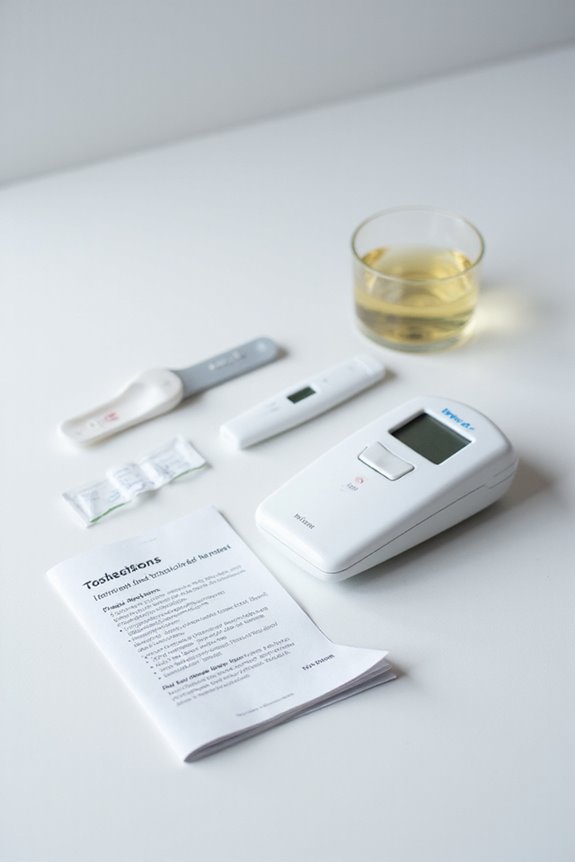
How Do I Use A Home Cholesterol Test Kit?

Using a home cholesterol test kit is a straightforward process. First, we prepare by fasting for 9 to 12 hours and setting up our testing area. After cleaning a fingertip, we use a lancet to draw a drop of blood. Then, we insert a test strip into the meter and apply the blood sample. Results show our cholesterol levels, helping us stay informed. If we continue, we’ll explore more about how to interpret these results effectively.
Key Takeaways
- Fast for 9 to 12 hours and avoid fatty foods and alcohol 24 hours prior to testing for accurate results.
- Prepare a clean and well-lit area, and gather all required materials, including lancets and test strips.
- Clean your finger with an alcohol swab, let it dry, then use a sterile lancet to prick the side of the fingertip.
- Apply the blood drop to the test strip immediately after inserting it into the cholesterol meter, and wait for the readiness signal.
- Read the results by comparing them to standard thresholds and consider consulting a professional for further interpretation.
Preparation for Using a Home Cholesterol Test Kit
You may be interested

When preparing to use a home cholesterol test kit, we should start by making sure we’re following the recommended guidelines for accurate results. This includes adhering to fasting guidelines, typically a 9 to 12-hour period without food or drinks other than water. Avoiding fatty foods and alcohol for at least 24 hours can further improve accuracy.
Next, let’s focus on the environment setup. We should choose a clean, well-lit, and comfortable area to work in. Preparing all testing materials beforehand—like lancets and test strips—is vital. It’s also important to power on any electronic meters to guarantee they’re ready for action. Avoid extreme temperatures or humidity, as these can affect the test strip performance. Additionally, it may be beneficial to keep in mind that supplements can complement prescribed treatments when managing overall health.
Recommended Products

KNOW WHAT YOUR DNA MEANS FOR YOUR HEALTH: 3X4 reads how your genes influence nutrition, metabolism, and how your body responds to food, stress, and lifestyle-so you act on your biology, not guesswork
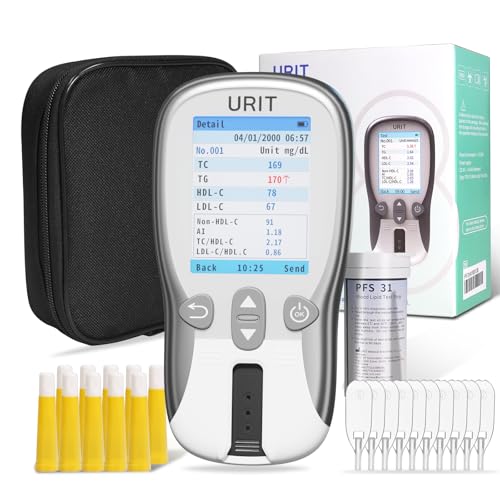
【Upgrade Design】:Upgraded with a large color display and voice prompts for enhanced convenience. Abnormal results are highlighted in red to accelerate analysis

✅ Easy to Use - Easiest to operate 5-in-1 lipid test on the market with just only ONE small sample (35~40uL) to get your results.
Blood Sample Collection Process
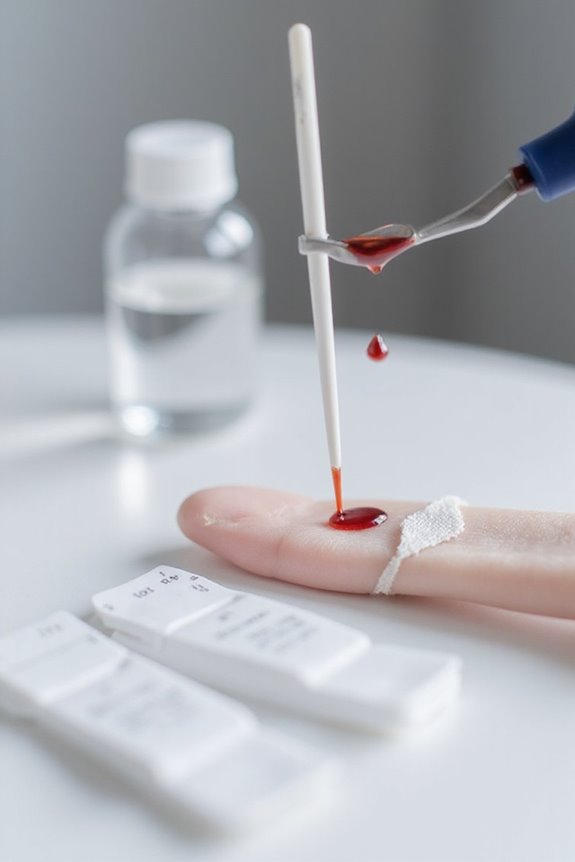
Collecting a blood sample at home doesn’t have to be intimidating. To start, we should focus on finger cleaning. Use an alcohol swab on our chosen finger, allowing it to dry fully. We’ll select a middle or ring finger from our less dominant hand and warm it up for better blood flow.
Next, we use a sterile lancet to prick the side of the fingertip, pressing firmly for a deep enough puncture. Gently squeeze the finger from the base to form a blood drop. This drop should be applied directly to the test strip or collection tube, ensuring no contamination occurs.
Lastly, we dispose of the lancet safely and follow instructions for the next steps. Simple, right? If you’re concerned about your heart health, consider using heart health supplements alongside regular testing for a more comprehensive approach.
Recommended Products

1. Fast Results in Just 2 Minutes Get cholesterol test results in about 2 minutes with only a small blood sample, making routine testing faster and more convenient.
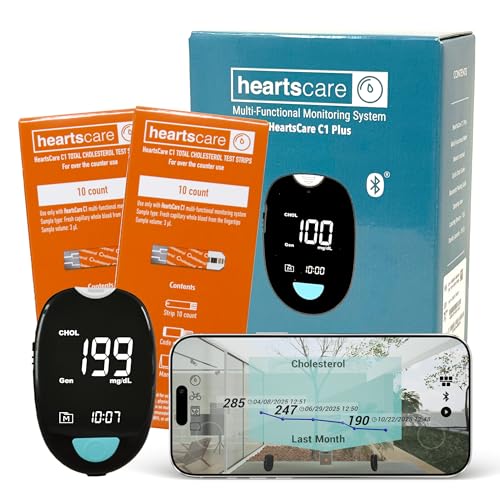
Lifetime meter replacement and Complimentary replacement of expired strips with your next strip order - HeartsWarranty

✅ CHECK: The test measures total cholesterol, HDL proteins, LDL proteins and triglycerides, as well as your HbA1c and hs-CRP levels.
Performing the Test With Test Strips
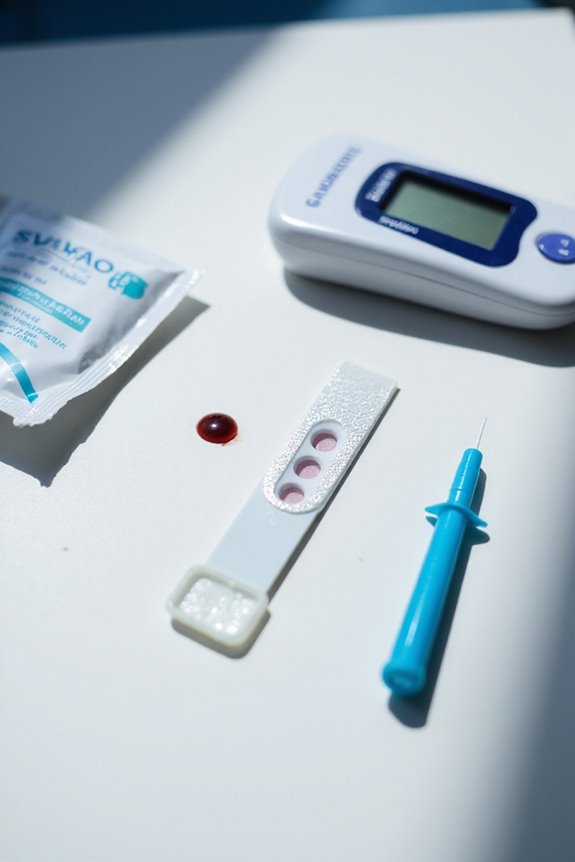
Having collected our blood sample, we’re now ready to perform the test using the test strips.
Test Strip Handling
Let’s begin by carefully removing a test strip from its protective vial. It’s essential to do this right before we use it to avoid any moisture exposure. After removing the strip, we’ll quickly reseal the vial.
Next, let’s insert the strip into the cholesterol meter, guaranteeing it sits correctly in the designated slot. This meter will signal once it’s ready to go.
Now, we’ll apply our blood drop to the designated area on the strip. We need to use the right amount—about 15 microliters—to let the chemical reactions take place effectively. This will confirm our readings will be accurate when the time arrives! Additionally, it’s crucial to maintain battery life for optimal performance, as some devices can operate for varying durations.
Recommended Products

Lifetime meter replacement and Complimentary replacement of expired strips with your next strip order - HeartsWarranty

KNOW YOUR HEALTH: Among the data to know, this genetic test includes information related to your predisposition to suffer from certain ailments. The DNA test kit is based on more than 700,000 markers and analyzes +250 traits. It includes an Ancestry Test, which will help you to learn more about your genetic data and to get a deeper understanding of your body's predisposition to different diseases and medications.

Lifetime meter replacement and Complimentary replacement of expired strips with your next strip order - HeartsWarranty
Reading and Interpreting Results

Understanding our test results is an essential step in managing cholesterol levels effectively. When we receive results from our home cholesterol kit, they’ll usually show total cholesterol, LDL, HDL, and sometimes triglycerides all in milligrams per deciliter (mg/dL).
We’ll often need to use a color chart to match our blood sample. This gives us an approximate total cholesterol level but doesn’t detail the individual LDL or HDL amounts.
It’s important to do a result comparison with standard thresholds. Elevated LDL, for example, indicates a higher heart disease risk. Additionally, we should remember that these estimates should be confirmed through professional testing for accurate result significance and thorough understanding of our cardiovascular health. Health Insurance Today can provide valuable insights into the importance of understanding health metrics and their coverage implications.
Recommended Products
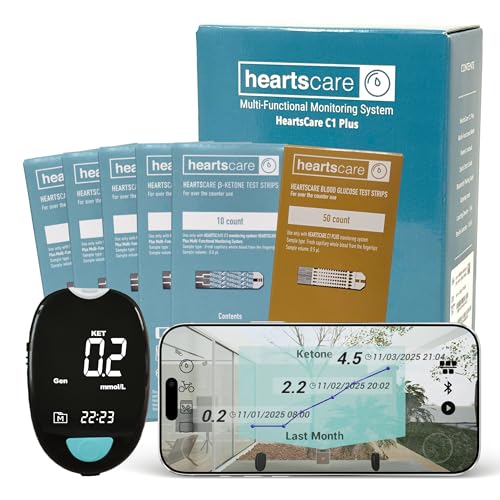
Individual strip packages for enhancing storage stability

1. Dual Testing in One Device – Easily monitor both hemoglobin and total cholesterol levels at home with a single device. No need for multiple meters, making health tracking more convenient and cost-effective.

20ea x Profile Five-in-One Lipid Test Strips, Cholesterol Test Strips for Home Use,(20 Test Strips Included, Meter is not Include), Accurate and Easy to Use.
Safety and Accuracy Considerations

Safety and accuracy are key factors when using at-home cholesterol test kits. To guarantee we get valid results, we need to follow a few important safety precautions:
- Accuracy Standards: FDA-approved kits generally meet accuracy standards comparable to lab tests. However, we should remember that many kits advertise over 95% accuracy, which depends heavily on proper use.
- Sample Collection: It’s crucial to adhere to the instructions—this includes collecting samples properly and using authorized materials only. Incorrect use can lead to false readings.
- User Considerations: Some individuals, like those with specific health conditions, may find using these kits challenging or unsafe. Home monitoring devices can help track health trends and support patient engagement in their wellness journey.
Ultimately, it’s important to view at-home test results as part of a larger picture, encouraging further professional consultation when necessary.
Recommended Products

✅ At-Home Cholesterol Testing – Easy-to-use kit for total cholesterol monitoring at home

1. VERY Portable :Compact and lightweight ,Easy to transport and store ,Handheld, battery-operated .
Frequently Asked Questions
How Often Should I Test My Cholesterol at Home?
We might think home cholesterol testing frequency is unnecessary, but regular monitoring is essential. Following home testing guidelines, we recommend checking cholesterol levels every few months, especially if we have risk factors or previous high results.
Can I Test My Cholesterol if I’m on Medication?
Yes, we can test our cholesterol even while on medication. However, we must consider medication effects on cholesterol levels and consult our healthcare provider to interpret results accurately and guarantee effective monitoring.
What Should I Do if My Test Kit Is Expired?
If we find our test kit expired, let’s discard it immediately. Using expired tests can lead to inaccurate results, affecting our health decisions. It’s best to purchase a new kit for reliable monitoring.
Are These Tests Accurate Compared to Lab Tests?
When we consider accuracy comparison, home cholesterol tests can be reliable if used correctly. However, test reliability often falls short of lab standards, making professional evaluations essential for thorough health insights and accurate results.
What Do I Do With Abnormal Results?
Facing abnormal results is like standing at a crossroads. We should take follow-up actions, consulting a healthcare provider and discussing lifestyle changes, to navigate our health path toward better cholesterol management and cardiovascular well-being.