As an Amazon Associate, we earn from qualifying purchases. Some links on this site are affiliate links at no extra cost to you. Our recommendations are based on thorough research and editorial judgment.

How Does Telehealth Work With Devices?

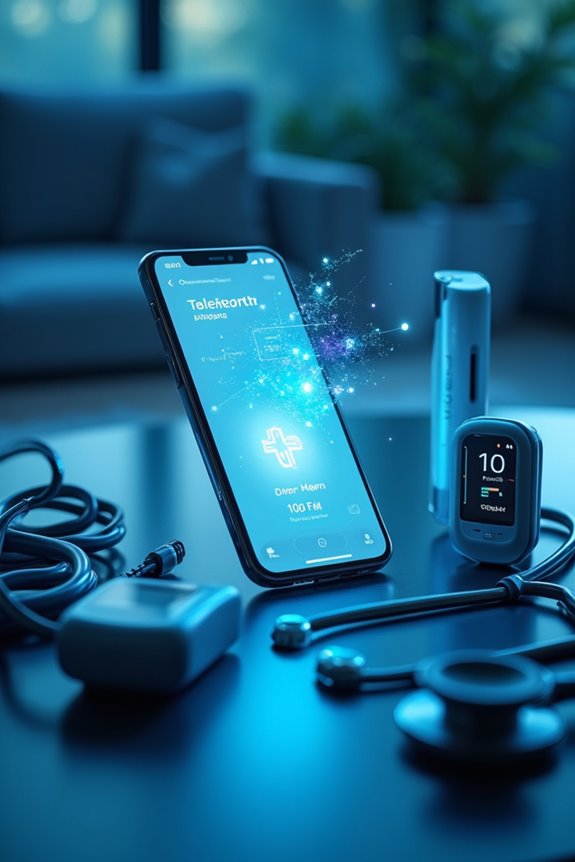
Telehealth works with various devices to enhance our healthcare interactions. We can use wearable fitness trackers to monitor our health continuously. Telehealth kiosks make it easy to connect with providers no matter where we are. With high-definition cameras and portable ECG machines, we can have clear consultations from home. These devices help us track essential signs and share data with healthcare professionals. Curious about how these technologies shape future healthcare? Let’s explore further.
Key Takeaways
- Telehealth integrates various medical devices to enable remote monitoring and consultations with healthcare providers.
- Wearable technology, such as smartwatches and fitness trackers, continuously collects vital health metrics for patient management.
- Telehealth devices facilitate real-time data sharing, allowing providers to access up-to-date health information during virtual appointments.
- Remote patient monitoring through devices enhances care for chronic conditions by enabling timely interventions based on tracked health signs.
- Integration of telehealth with devices supports hybrid care models, blending virtual and in-person visits for improved patient satisfaction and engagement.
Understanding Telehealth Interactions
You may be interested


Understanding Telehealth Interactions
As we embrace telehealth, it’s important to recognize how these interactions are changing the way we connect with healthcare. With telehealth interactions, we can easily share our health data and communicate directly with providers. Here’s how it works:
- Real-Time Communication: Video calls and messaging allow us to connect immediately with our healthcare team.
- Mobile Health Apps: These apps let us share essential information and receive prescriptions from one convenient platform.
- Patient Engagement: Automated alerts remind us to stay on track with our health goals.
- Data Integration: Our health data is updated in real-time, ensuring our providers have the latest information.
Wearable devices like the SleepO2 Wrist Recording Pulse Oximeter enhance data sharing by monitoring vital health metrics effectively.
Through these advancements, we’re actively involved in our health journey, making telehealth a valuable resource for everyone.
Types of Telehealth Devices

When it comes to telehealth, the devices we use play an essential role in enhancing our experience. Here’s a look at some key types of telehealth devices:
- Telehealth Peripherals: High-definition cameras and digital tools like otoscopes help us share visuals clearly during visits. Microphones improve our conversations.
- Mobile Devices: Portable ECG machines and critical signs monitors send our health data straight to caregivers for better tracking.
- Telemedicine Kiosks: These all-in-one setups allow us to connect with providers easily in various locations, sometimes even at home.
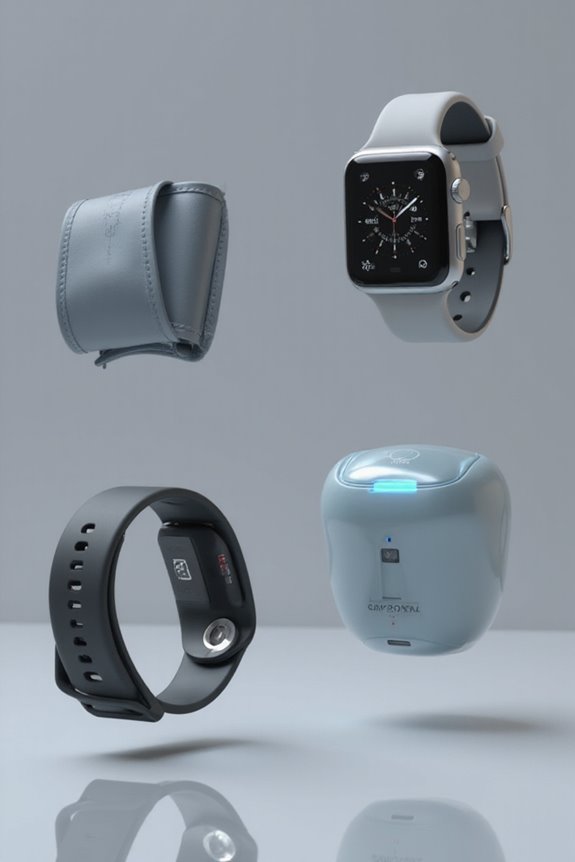
- Wearable Technology: Activity trackers and smartwatches monitor our health continuously, offering insights we can share.
- Tablets and Apps: They give us direct access to our health info and enhance patient engagement through easy communication and data transmission. Additionally, these devices can leverage functionalities like fall detection to further ensure our safety during telehealth interactions.
These devices streamline our health interactions remarkably.
Recommended Products

【50+ DAYS OF BATTERY LIFE】Stop charging weekly. Enjoy up to 50 days of real use on a single charge, powered by an energy-saving chip. Your health tracking never pauses

24/7 Health Tracking: This BOYACARE fitness tracker tracks heart rate, blood oxygen, HRV, stress, and skin temperature throughout the day. It also supports menstrual cycle tracking and provides detailed data in the app. Note: Designed for daily wellness tracking and trends, not professional-level precision.
Remote Patient Monitoring in Chronic Care
Remote Patient Monitoring (RPM) offers us a powerful way to keep track of chronic health conditions, and it’s gaining traction for good reason. By continuously monitoring essential signs, RPM allows doctors to act quickly, which reduces emergency visits and hospital stays. Here’s what we’ve found:
- Patient Engagement: Patients become more involved in their health with real-time feedback and data sharing.
- Impact on Chronic Illness: Studies show a 38% reduction in hospitalizations and a 51% decline in emergency visits.
- Satisfaction Rates: High levels of patient satisfaction persist, hovering above 90%.
Additionally, the integration of HSA-eligible fitness trackers can further enhance continuous health monitoring and provide patients with valuable data to share with their healthcare providers.
As RPM continues to grow, it represents an important shift in how we manage chronic conditions, enhancing care while keeping costs down.
Recommended Products

Sit & Stand - Assists adults and seniors who have difficulty standing up on their own from a seated position; users must be able to actively participate and partially support their weight

Powerful 12th Gen N150 Processor: Glovary Firewall Box Computer with Twin Lake 12th Gen N150 Processor, 4 Cores 4 Threads, 6M Cache, up to 3.6 GHz, TDP 6W. Supports OPNsense, Linux, Openwrt, etc

The DE350 Wireless Polarizing Dermatoscope (Dermascope) is a special purpose digital video camera combined with a high magnification polarizing lens and multiple ultra-bright LEDs. Powered by 15x optical magnification, this innovative device streams high quality live video (at 30fps) to a computer, enabling the user to view and record images or videos. The DE350 Wireless Polarizing Dermatoscope is used by some of the most reputable hospitals, clinics, and medical schools worldwide. Most common uses are for patient communication and education, keeping/sharing patient records, and documenting changes over time.
Post-Surgical Care Through Telehealth

Post-surgical care has entered a new era with the rise of telehealth services, building on the foundation of tools like Remote Patient Monitoring. We’re now using wearable devices that track essential signs such as heart rate and temperature continuously, allowing for effective post-surgical monitoring and timely interventions. This means surgeons can respond quickly if something isn’t right, preventing complications before they escalate.
In addition, virtual follow-up appointments spare us the hassle of travel, especially important during recovery. By monitoring wound healing and pain management remotely, we can stick to our recovery protocols, all while maintaining high patient satisfaction. The telehealth efficacy we’ve seen is comparable to traditional visits, showing that this innovative approach truly benefits post-surgical patients. Moreover, utilizing medical alert systems can further enhance patient safety by ensuring immediate assistance when needed.
Recommended Products

✅ Chest-Worn Wearable for Direct Heart Signal Tracking Designed to capture bio-signals closer to the chest, enabling more direct signal tracking compared to wrist-based wearables.

CLINICALLY-PROVEN PAIN & SWELLING RELIEF — Continuous circulating cold water therapy actively reduces post-surgical swelling, inflammation, and edema at the source. Unlike passive ice packs, the LEONNS cryotherapy machine maintains a regulated water temperature delivered directly to a soft conforming pad — accelerating recovery from knee replacement, rotator cuff repair, hip surgery, and sports injuries.

ICE THERAPY RELIEF PAIN: Do you have pain after knee or shoulder surgery? Say goodbye to pain and swelling. ICYTHRP ice machine for knee after surgery to relieve localised pain and swelling after surgery or injury by providing a soothing, constant circulation of cold water. Don't let pain hold you back any longer.
Communication Technologies in Telehealth
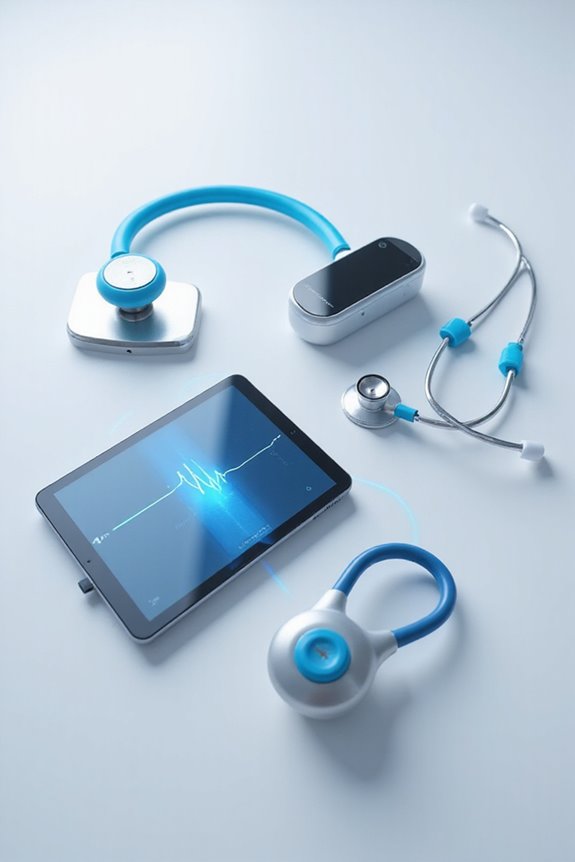
Communication technologies play a crucial role in enhancing our telehealth experience, making consultations more accessible and efficient.
- Video Conferencing: Real-time virtual consultations allow us to connect face-to-face with our healthcare providers from anywhere.
- Alternative Methods: Audio calls and text messaging offer us additional ways to communicate, ensuring accessibility for everyone.
- Asynchronous Options: We can send photos or questions in advance, making our health concerns easier to address.
- Mobile Health Apps: These apps keep us engaged with ongoing symptom tracking and messaging. Additionally, many medical devices, such as blood pressure monitors, can seamlessly integrate with telehealth platforms to provide real-time health data during consultations.
Recommended Products

Complete audio/video conferencing bundle for big rooms: HD video camera, speakerphone and expansion mics in one affordable package

Compatibility: Designed for use with devices featuring a single 3.5mm headphone jack that operates both speakers and microphone, compatible with tablet computers and newer laptops

All-in-One Video Conferencing System: StarryHub integrates all the essential devices for a hybrid/local/video conference. It features a Short Throw Projector(2200 ANSI Lumens, 30-150’’ Display ) + a Conference Room Webcam(HD 1080P, 120° Wide Range, WDR, Auto Framing) + 6 Microphones(AI Driven Speakers’ Voice Enhancement) sound pick-up range up to 25 ft (8 meters) and built-in Conference Speakers
The Role of AI and Analytics in Telehealth Devices
In today’s rapidly evolving healthcare landscape, AI and analytics are revolutionizing the way we engage with telehealth devices.
- Real-Time Monitoring: AI-powered gadgets collect data like heart rates and blood pressure continuously.
- Predictive Analytics: These AI algorithms can identify potential health issues before they escalate, helping us act quickly.
- Personalized Care: By analyzing a patient’s unique data, these systems tailor care plans to individual needs and circumstances.
- Clinical Decision Support: AI helps healthcare providers by offering evidence-based recommendations, making it easier for them to make informed decisions.
Incorporating these technologies not only enhances patient engagement but also streamlines healthcare processes, making care more efficient and user-friendly. So, we see that AI and analytics play a pivotal role in shaping the future of telehealth devices.
Benefits of Telehealth for Aging Populations
Telehealth offers significant benefits for aging populations, making healthcare more accessible and convenient than ever.
- Improved Access: Older adults can access care without traveling, especially important for those with mobility challenges or living in rural areas.
- Patient Engagement: Telehealth devices send reminders for appointments and medication, helping patients stick to their care plans.
- Support Independence: It allows seniors to age in place, fostering comfort and social connections.
- Cost Savings: Telehealth reduces unnecessary visits and readmissions, leading to lower healthcare costs for everyone.
Statistics show a notable rise in telehealth use among those aged 70+, highlighting its essential role in enhancing telehealth accessibility and overall health outcomes for aging individuals.
Future Trends in Telehealth Device Integration
As we explore the future trends in telehealth device integration, it’s clear that the landscape of healthcare is evolving rapidly.
Future Innovations
- AI and machine learning will power new tools, enhancing how we diagnose and interact with patients.
- Predictive analytics will use real-time data for proactive health management.
Device Interoperability
- Seamless connections between telehealth platforms and existing systems will improve care coordination.
- Around 80% of healthcare organizations are boosting budgets for interoperability, ensuring smoother experiences for all.
Hybrid Care Models
- More patients favor a mix of remote and in-person visits, with 82% preferring flexibility in their care.
- These trends not only enhance patient satisfaction but also support more personalized care delivery.
Frequently Asked Questions
How Do Telehealth Devices Maintain Patient Privacy and Security?
We prioritize patient privacy and security through data encryption and user authentication. By implementing strong encryption methods and multi-factor authentication, we guarantee that personal health information remains safe and accessible only to authorized individuals.
What Technical Support Is Available for Patients Using Telehealth Devices?
When we consider technical support for telehealth devices, we’ve got remote assistance and extensive troubleshooting support available. Our resources empower patients to resolve issues quickly, ensuring smooth and effective virtual healthcare experiences every time.
Are Telehealth Devices Covered by Insurance Plans?
While traversing insurance coverage feels like wandering a maze, exploring device eligibility reveals a pathway to telehealth access. Each provider’s policy is unique, yet many are adapting to guarantee broader coverage for necessary devices.
Can Telehealth Devices Be Used for Emergency Situations?
Yes, we can use telehealth devices in emergency situations to enhance response. However, we must be mindful of device limitations, ensuring clear communication and reliable data transmission to effectively support medical professionals in critical scenarios.
What Types of Training Are Provided for Using Telehealth Devices?
We’re thrilled to explore the world of telehealth devices! Our training focuses on device operation and user education, ensuring we master the skills needed for effective remote patient care and seamless communication in today’s healthcare landscape.