As an Amazon Associate, we earn from qualifying purchases. Some links on this site are affiliate links at no extra cost to you. Our recommendations are based on thorough research and editorial judgment.

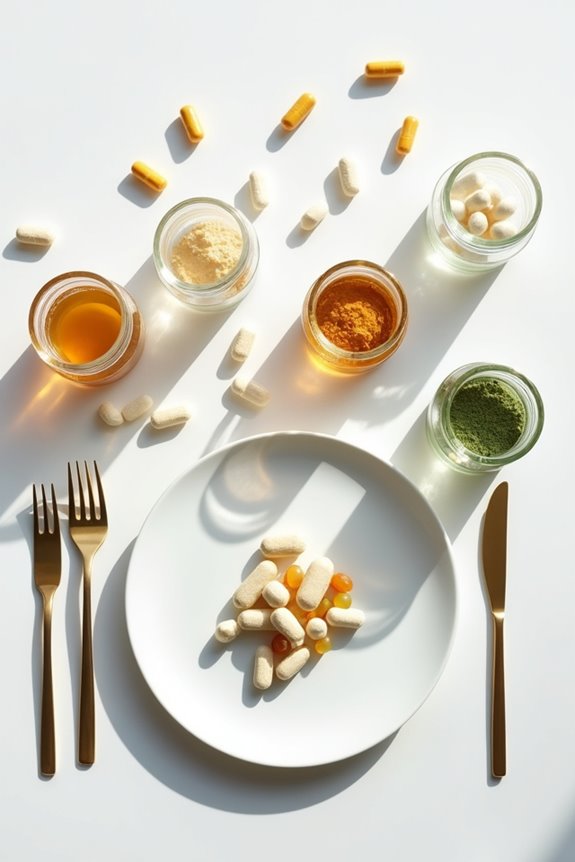
Should Supplements Be Taken With Food?

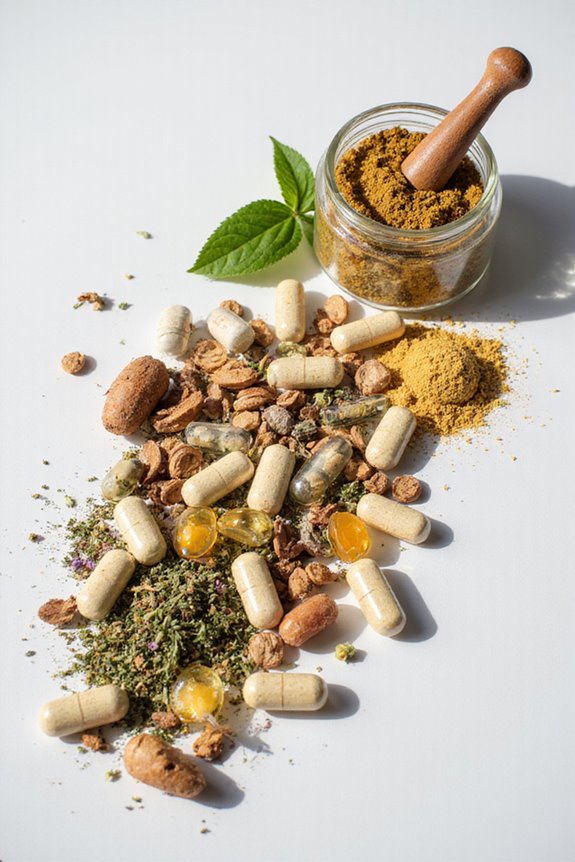
Taking supplements with food is usually a good idea. Doing so can enhance nutrient absorption and make the supplements work better for us. Fat-soluble vitamins, for example, need dietary fat for ideal uptake. Plus, having food in our stomach can prevent feelings of nausea and discomfort. It’s also worth noting that certain nutrients might compete for absorption when taken together. So, pairing our supplements with meals can improve their overall effectiveness. Want to discover some best practices?
Key Takeaways
- Taking supplements with food enhances absorption, especially for fat-soluble vitamins which require dietary fat for optimal utilization.
- Supplements on an empty stomach may cause nausea or cramps, making food intake beneficial for comfort.
- Some minerals like iron can be absorbed better on an empty stomach, but overall, meal timing improves effectiveness.
- Whole foods provide a broader range of nutrients, which can complement supplement intake and mitigate risks associated with isolated supplements.
- Consultation with healthcare providers helps in understanding individual supplement needs and timing relative to meals.
The Importance of Nutrient Absorption
You may be interested

When we consider the importance of nutrient absorption, it is essential to recognize how it influences our overall well-being. Nutrient bioavailability, or how well our bodies can absorb nutrients, largely depends on the food matrix—those complex interactions between nutrients in whole foods. For instance, when we eat a balanced meal, certain nutrients work together to enhance absorption; think of copper and zinc or manganese and iron. In contrast, isolated supplements often lack this synergy. Additionally, factors like dietary fats can considerably improve the absorption of fat-soluble vitamins. By focusing on whole foods rich in various nutrients, we’ll maximize our nutrient uptake and overall metabolic function. Furthermore, taking omega-3 supplements with a fat-containing meal helps boost absorption and enhances their effectiveness. Let’s make intentional choices about our meals for peak health.
Risks of Isolated Supplements
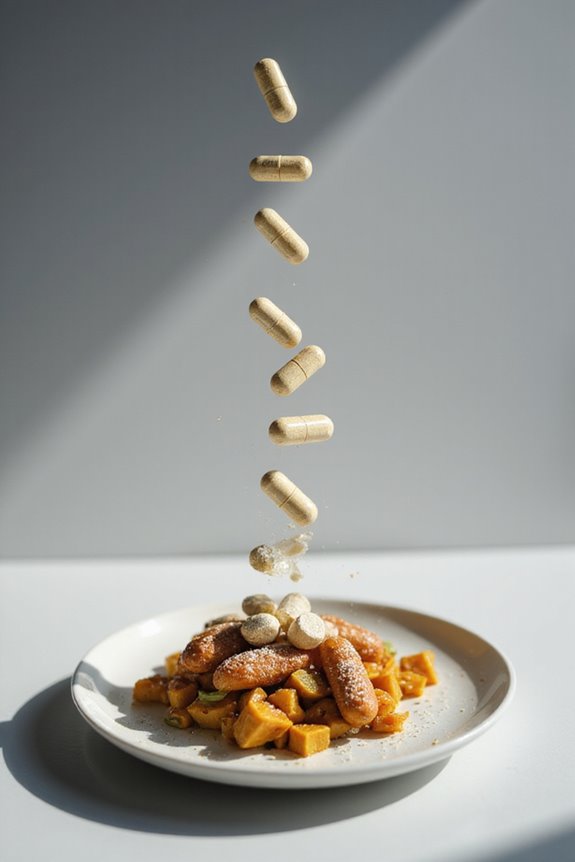
Isolated Supplement Risks:
- Toxic Contaminants: Many protein powders may contain heavy metals like lead and arsenic, often exceeding safety limits.
- Allergen Exposure: Whey protein can provoke allergic reactions, particularly in sensitive individuals or children with cow’s milk intolerance.
- Gastrointestinal Issues: High-protein supplements might cause bloating and discomfort while altering gut health negatively.
- Metabolic Disruptions: Overuse of amino acid supplements can affect insulin sensitivity and glucose metabolism. Additionally, many protein powders offer low sugar content options that may help maintain energy levels while reducing potential negative impacts.
Given these isolated supplement risks, it’s important to approach them with caution. Balancing our intake with whole foods can help mitigate these concerns while ensuring we receive a broader range of nutrients.
Recommended Products

Rigid tabletop is UV-protected for outdoor use, cleaning up easily

Fits 2005 - 2015 Toyota Tacoma 6' 2" Bed (73.5")

DURABLE, VERSATILE HOME FITNESS PLATFORM. The 39" steel frame with lifetime-backed support offers lasting strength and flexibility, making at-home workouts fun, effective, and built to last.
Synergy of Food-Sourced Nutrients

Understanding how our bodies interact with nutrients from whole foods is fascinating. This synergy, or how nutrient combinations work together, shows that the benefits of whole foods often surpass those of isolated supplements.
Whole foods present complex food matrices that allow nutrients to interact and enhance absorption. For example:
- Vitamin C enhances iron absorption from plant sources.
- Magnesium and vitamin D work together to support bone health.
Incorporating high-quality omega-3s into meals can also enhance nutrient absorption and provide additional health benefits.
Recommended Products
TURBO-CHARGED LIQUID COMPOST - Specifically designed to promote soil health, this all-purpose compost fertilizer organic is good for nearly anything you grow. Root Ruckus works to promote plant and root growth, as well as increase fruiting, blooms, and harvest. It protects against plant shock and increases water retention. Root Ruckus humic acid for lawn increases the natural energy processes of your plants, leading to a stronger root system and improves the plants immune system.
Endomycorrhizal Synergy: RAW Microbes Grow features four types of endomycorrhizae, establishing a symbiotic relationship with your plants' roots. These beneficial fungi facilitate nutrient absorption, improve drought tolerance, and contribute to overall plant health.

Humic acid acts like a magnet, binding nutrients and making them easily accessible to plants
Effects of Taking Supplements Without Food

Taking supplements without food can lead to a variety of challenges that might hinder their effectiveness.
- Absorption Issues: Fat-soluble vitamins, like A and D, require dietary fat for absorption. On an empty stomach, our body struggles to take in these nutrients properly, reducing their overall benefits.
- Gastrointestinal Discomfort: We often experience nausea or stomach cramps when taking supplements without food, which can decrease supplement adherence to our regimens.
- Nutrient Competition: Without food, some supplements might compete for absorption, making them less effective.
In short, taking supplements on an empty stomach can greatly impact their bioavailability and diminish our health goals. Opting for a small snack can help improve both comfort and effectiveness, ensuring we get the most out of our supplementation. Additionally, manufacturers often recommend taking supplements, like those for blood sugar support, with meals to enhance absorption and effectiveness.
Recommended Products

3X BETTER ABSORPTION THAN REGULAR CoQ10: Clinical trials have proven that no other CoQ10 supplement absorbs better than Qunol. In fact, Qunol Ultra absorbs 3X better than regular CoQ10

#1 Cycloastragenol on Amazon. We've been selling on Amazon for over 10 years.
Foundational Elements for Wellness: Inositol supplements, in IP6 Inositol Hexaphosphate powder, are the cornerstones of health, playing critical roles in various bodily functions from immune support to overall health. Ensure your body has the right building blocks for vitality.
Timing and Meal Coordination
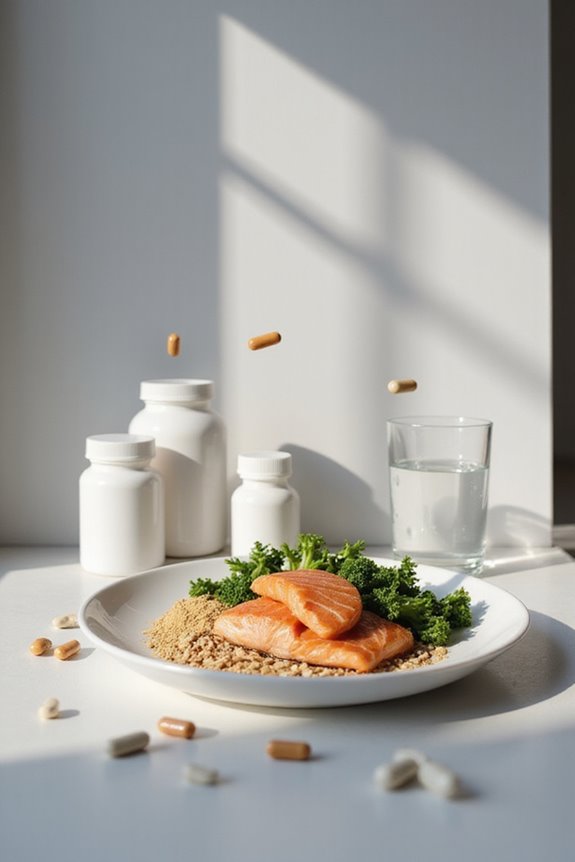
When we think about maximizing the effectiveness of our supplements, meal timing and coordination play a vital role. Understanding how certain food combinations can enhance or inhibit nutrient absorption can make a difference. For instance:
- Fat-soluble vitamins like A, D, E, and K thrive best with fat-containing meals.
- Water-soluble vitamins, such as B vitamins, work well on an empty stomach but may upset some stomachs if taken alone.
- Minerals like iron can be better absorbed on an empty stomach but might cause discomfort without food.
Additionally, taking supplements with our largest meal might improve adherence and absorption. So, coordinating our supplement intake with our meals can truly enhance our overall experience and benefits, allowing us to make the most out of our nutritional regimen. Furthermore, some heart health supplements, such as Omega-3 fish oil, can be more effective when taken with meals, promoting better absorption and utilization in the body.
Recommended Products
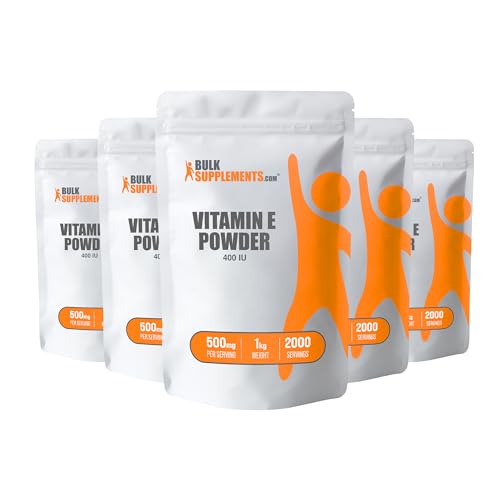
Foundational Elements for Wellness: Vitamin E supplements, in Vitamin E powder, are the cornerstones of health, playing critical roles in various bodily functions from immune support to overall health. Ensure your body has the right building blocks for vitality.

PHYSICIAN DEVELOPED: These HPD Rx ONE high-potency multivitamin supplements were specially developed by Dr. Monte, one of the top OB/GYNs in the country, to help keep your immune system functioning optimally to support the cervical health of women. HPD Rx ONE improves natural immunity by delivering a complex, complete, and powerful blend of vitamins, minerals, and phytonutrients (green tea extract and indole-3-carbinol) in appropriate doses.

Elevate Your General Health and Well-being: Tailored to support your overall health, our Alpha Lipoic Acid powder, in Alpha Lipoic Acid 600mg, is the perfect addition to any lifestyle. Packed with essential nutrients, they're designed to boost your general well-being, keeping you feeling your best day after day.
Special Considerations for Vulnerable Populations
Recognizing the unique challenges faced by vulnerable populations is essential, especially when we consider their nutritional needs and supplement use. Many individuals in these groups—such as children under five, pregnant women, and the elderly—struggle with food insecurity and malnutrition.
To truly support them, we need effective nutritional education that’s tailored to their unique circumstances.
Key points include:
- Supplementary feeding programs can provide benefits, but they often encounter hurdles like poverty and high costs.
- Vulnerable populations may resort to unsafe supplements due to financial pressures and limited knowledge.
- Addressing environmental and socioeconomic barriers is vital in enhancing access to nutritious foods.
Nutrient Interactions and Their Effects
Understanding the interactions between nutrients and drugs is essential for making informed decisions about our diets and supplement use. When we take supplements, they can impact how our medications work.
- Certain drugs can lead to nutrient depletion, leaving us short on vitamins and minerals, which can affect drug efficacy.
- For instance, proton pump inhibitors might reduce vitamin B12 absorption, potentially causing deficiencies.
- Conversely, some nutrients need to be taken with specific medications to enhance how well they work together, like iron with epoetin-alfa.
- Even timing matters; spacing out supplements and medications can prevent binding issues that reduce absorption.
Recommended Practices for Supplement Intake
To make the most of our supplements, it’s important to contemplate a few key practices that can enhance their effectiveness. Here are some recommendations for ideal intake:
- Follow Supplement Labels: Always read supplement labels to verify we comprehend the recommended dosages.
- Timing Matters: Fat-soluble vitamins should be taken with meals that have healthy fats, while iron is best on an empty stomach, possibly with vitamin C.
- Avoid Competition: It’s wise to stagger doses of minerals like calcium, zinc, and magnesium since they can interfere with each other’s absorption.
- Track Intake: Keeping a supplement log helps with dosage accuracy and prevents us from going overboard.
Recommended Products

12 Essential Daily Vitamins
12 Essential Daily Vitamins

Elevate Your General Health and Well-being: Tailored to support your overall health, our CoQ10 powder, or Coenzyme Q10 powder, is the perfect addition to any lifestyle. Packed with essential nutrients, they're designed to boost your general well-being, keeping you feeling your best day after day.
Regulatory Guidelines and Professional Advice
When exploring the world of dietary supplements, it’s essential to navigate the regulatory landscape to guarantee that the products we choose are safe and effective. The U.S. Food and Drug Administration (FDA) oversees dietary supplements, but unlike prescription drugs, they don’t require pre-market approval for safety or efficacy. This highlights the significance of regulatory compliance in our choices.
Manufacturers must follow strict guidelines to ensure quality, like Current Good Manufacturing Practices (CGMPs). Professional recommendations often emphasize reading labels carefully and knowing what claims are permitted. Additionally, working with healthcare providers can help us make informed decisions tailored to our needs. By staying informed, we can better navigate the supplement space and select high-quality products.
Prioritizing Whole Foods Over Supplements
Prioritizing whole foods over supplements offers a straightforward approach to improving our nutrition. Whole food benefits extend beyond individual nutrients, providing a rich blend of vitamins, minerals, and antioxidants.
Key Points:
- Whole foods come with nutrient diversity, supporting our metabolic processes effectively.
- They have unique structures that enhance absorption, aided by natural enzymes and cofactors.
- Diets rich in whole foods, like the Mediterranean diet, are linked to better health outcomes.
- Unlike isolated supplements, whole foods include fiber and phytochemicals that boost gut health.
- The synergy of nutrients in whole foods leads to sustained energy and improved overall wellness.
Frequently Asked Questions
Can I Take Multiple Supplements at Once With Food?
Maneuvering supplement combinations can feel like a culinary dance. While we can take multiple supplements at once with food, we need to mind digestive considerations to enhance absorption and avoid nutrient competition. Let’s plan wisely!
What Types of Food Enhance Supplement Absorption?
When considering how food enhances supplement absorption, we find that healthy fats optimize fat-soluble vitamins’ efficacy. Additionally, nutrient synergy, like pairing vitamin C with iron, considerably boosts our overall nutrient uptake and health.
Are There Supplements That Should Never Be Taken With Food?
When considering supplements, we must be mindful of timing considerations and potential interactions. Some, like iron, could be less effective with food, while others might need food for proper absorption. Balancing these factors is essential.
How Long After a Meal Can I Take My Supplements?
After a meal, we can consider meal timing and digestion rate. Generally, waiting about 30-60 minutes for water-soluble supplements and immediately for fat-soluble aids absorption, ensuring we maximize their effectiveness and benefits.
Do Cooking Methods Affect the Efficacy of Nutrients in Food?
Cooking methods greatly impact nutrient loss in our food. By boiling, we often see reduced vitamins, while methods like steaming better preserve them, ensuring we get the most from our meals. Let’s optimize our cooking!