As an Amazon Associate, we earn from qualifying purchases. Some links on this site are affiliate links at no extra cost to you. Our recommendations are based on thorough research and editorial judgment.


Can I Take Multiple Supplements Together?

Taking multiple supplements together can be okay, but we need to be cautious. Some supplements may interact with each other, affecting how our bodies absorb or use them. Timing is important too; for example, iron works best on an empty stomach, while fat-soluble vitamins need healthy fats. It’s wise to check labels for potential overlaps. Consulting a healthcare professional can help us make informed choices about our supplements. Let’s explore more about how to navigate these choices effectively!
Key Takeaways
- Consult healthcare professionals before taking multiple supplements to avoid adverse interactions and ensure safety.
- Be aware of potential competition for absorption among supplements, which may reduce their effectiveness.
- Monitor your total nutrient intake to prevent exceeding recommended dosages and causing imbalances.
- Consider timing when taking supplements, as some nutrients may require separation for optimal absorption.
- Prioritize a balanced diet alongside supplements to ensure comprehensive nutrient intake.
Understanding Supplement Interactions
You may be interested



Can I Take Multiple Supplements Together?
Understanding Supplement Interactions
How do we navigate the complex world of dietary supplements and their interactions with each other and medications? Understanding drug supplement interactions is essential. Dietary supplements can influence how drugs are absorbed, distributed, metabolized, or eliminated, which alters drug levels in our bodies. This can lead to either increased toxicity or reduced effectiveness of medications.
- Many supplements, like St. John’s wort, affect vital enzymes (like CYP3A4) that metabolize nearly half of all drugs.
- Some combinations can create unintended outcomes. One should also be cautious when considering supplements with significant omega-3 concentrations, as they can interact with blood-thinning medications.
Timing Matters: Optimizing Absorption
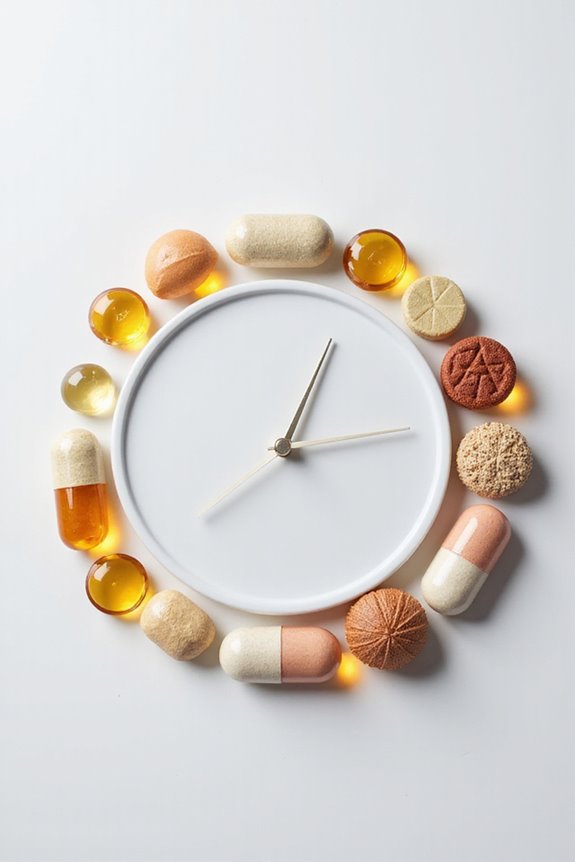
When considering how to take multiple supplements, timing plays a significant role in optimizing absorption. We discover effective timing strategies to enhance our nutrient intake. For instance, iron supplements work better when taken every other morning before meals, especially with vitamin C. Also, separating iron from calcium-rich foods is essential since calcium can hinder its absorption.
For sports supplements, consuming nitrates, caffeine, or protein before exercising can boost performance. After workouts, taking creatine and carbohydrates supports recovery.
When we think about fat-soluble vitamins, pairing them with healthy fats maximizes their benefits. Similarly, consistent daily probiotics can enhance mineral absorption. By using these absorption techniques, we can guarantee we’re getting the most out of our supplements. Additionally, Omega-3 fish oil supplements provide essential fatty acids that support heart health and may help lower triglyceride levels when taken regularly.
Recommended Products

The information below is per-pack only

Iron-Clad Formula - Contains Iron in its most absorbable form (Iron Bisglycinate Chelate) to boost Iron levels, support red-blood-cell production, and increase hemoglobin.
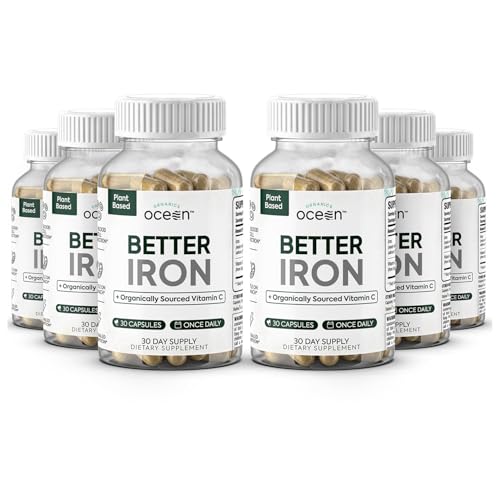
Research-Backed Plant-Based Formula: Better Iron delivers 10 mg of clinically studied iron sourced from fermented peas, made from organic pea ingredients. It combines plant based iron with vitamin C derived from organic amla to help support iron absorption and utilization. This daily iron supplement provides bioavailable iron in a thoughtfully balanced dose to support consistent daily wellness.
Safety Concerns With High Doses

Understanding safety concerns with high doses of supplements is crucial for anyone looking to enhance their health. We all want the best for our bodies, but consuming excessive amounts can lead to toxic symptoms.
Here are important points to reflect on:
- Fat-soluble vitamins like A and D can accumulate and potentially cause harm, even leading to severe health risks.
- Iron and calcium can pose serious toxicity risks when overconsumed.
- Water-soluble vitamins, while typically excreted, may still cause side effects at high doses. Optimal Immune Support typically requires 500-1,000 mg daily.
Dosage recommendations exist for a reason. Consulting healthcare professionals is essential before making changes to our supplement routines, especially when combining multiple products. Let’s prioritize safety and confirm we’re making informed choices!
Recommended Products

Supports Normal Gastric Function. Helps maintain normal stomach function in healthy horses during training, travel, turnout, and daily routines.

Maximize your Potential: Enhance your active lifestyle with our Whey Protein Isolate powder, or Whye Protein Powder Isolate, designed to support your strength and performance goals. Each serving delivers a substantial 30 grams dose, catering to both fitness enthusiasts looking to push their limits.
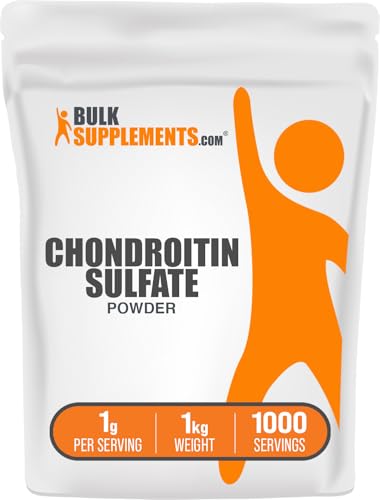
Maximize your Potential: Enhance your active lifestyle with our Chondroitin Sulfate powder, designed to support your strength and performance goals. Each serving delivers a substantial 1 gram dose, catering to both fitness enthusiasts looking to push their limits.
The Role of Multivitamins

Multivitamins play a significant role in our daily health routines, especially as we look to support our overall well-being. One of the most notable multivitamin benefits is their potential for cognitive support. Research shows that daily multivitamin use may slow cognitive aging, helping us retain our mental sharpness as we age. They can assist in memory retention and global cognition, which is beneficial for older adults concerned about cognitive decline.
Additionally, multivitamins may enhance our overall nutrient intake, filling gaps in our diets. By incorporating them into our daily routine, we can promote healthier lifestyles and potentially improve our quality of life. Furthermore, some multivitamins also include probiotic strain diversity, which can further support digestive health and immune function. To summarize, multivitamins offer a convenient way to support our holistic health.
Recommended Products
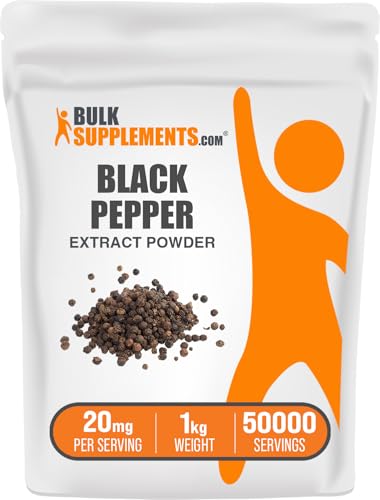
Rich in Natural Nutrients: Step into a world where every serving is a treasure chest of essential nutrients sourced directly from nature. Our Black Pepper Extract powder, or Piperine supplements, harnesses the earth's bounty, providing you with the essential nutrients required for a flourishing overall health and well-being.

Elevate Your General Health and Well-being: Tailored to support your overall health, our Alpha GPC powder, in Alpha GPC 300mg, is the perfect addition to any lifestyle. Packed with essential nutrients, they're designed to boost your general well-being, keeping you feeling your best day after day.

Rich in Natural Nutrients: Step into a world where every serving is a treasure chest of antioxidants and essential nutrients sourced directly from nature. Our Ginseng Extract powder, or Ginseng supplement, harness the earth's bounty, providing you with the essential nutrients required for a flourishing overall health and well-being.
Fat-Soluble vs. Water-Soluble Vitamins

Vitamins are often categorized based on how they dissolve and are absorbed in our bodies.
Fat-Soluble Vitamins****
- These vitamins, including A, D, E, and K, require dietary fats for their absorption.
- Once absorbed, they’re stored in our liver and fat tissues for months, which can lead to potential buildup if we over-supplement.
Water-Soluble Vitamins
- In contrast, vitamins like C and the B-complex group dissolve in water.
- They can be absorbed directly into the bloodstream but are poorly stored.
- Excess amounts are quickly excreted through urine.
Understanding these differences in fat-soluble absorption and water-soluble storage helps us make informed choices when considering supplements. Additionally, considering your personal lifestyle and dietary habits can further enhance your supplement efficacy. Balancing our intake from various food sources is key for nutritional health.
Recommended Products

3X BETTER ABSORPTION THAN REGULAR CoQ10: Clinical trials have proven that no other CoQ10 supplement absorbs better than Qunol. In fact, Qunol Ultra absorbs 3X better than regular CoQ10

#1 Cycloastragenol on Amazon. We've been selling on Amazon for over 10 years.
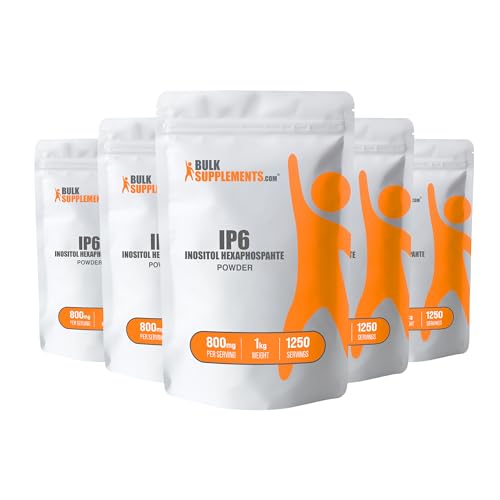
Foundational Elements for Wellness: Inositol supplements, in IP6 Inositol Hexaphosphate powder, are the cornerstones of health, playing critical roles in various bodily functions from immune support to overall health. Ensure your body has the right building blocks for vitality.
Potential Risks of Over-Supplementation
When we consider taking multiple supplements, it’s essential to be aware of the potential risks of over-supplementation.
- Supplement Duplication: Sometimes, we might unintentionally take supplements with overlapping ingredients. This can lead to exceeding recommended dosages, which may cause side effects.
- Mineral Imbalance: Taking excessive amounts of one mineral can deplete others. For instance, high zinc intake can lower copper levels, causing an imbalance that might lead to deficiencies.
- Reduced Effectiveness: Competing minerals can hinder absorption, reducing the effectiveness of what we’re trying to achieve with supplementation.
Quality and Composition of Supplements
Understanding the quality and composition of dietary supplements is essential for anyone considering their use. We should pay attention to ingredient sourcing, as the raw materials determine the effectiveness and safety of the product. Manufacturers follow strict guidelines, known as Current Good Manufacturing Practices (CGMP), to guarantee specifications for identity, purity, and strength are met.
However, variability can exist between brands because each manufacturer may select different testing methods. This inconsistency can challenge our ability to confidently choose supplements.
Independent verification programs, like those from the US Pharmacopeial Convention (USP) or ConsumerLab, can provide additional quality assurance. Products with these certifications have undergone rigorous testing, reassuring us that they contain what the label claims without harmful contaminants.
Recommended Products

Developed by T.A. Sciences using a patented formula
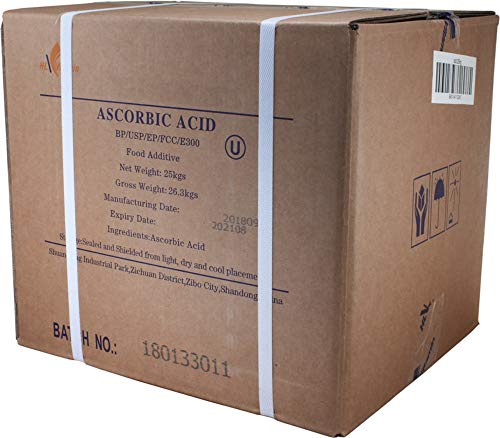
99+% Pure L-Ascorbic Acid, Chemical Formula: C6H8O6, A form of Vitamic C

Supports Prostate & Urinary Health: High-strength Saw Palmetto extract helps manage urinary urgency and supports healthy prostate function
Professional Guidance for Safe Supplement Use
Steering through the world of dietary supplements can feel overwhelming, especially when it comes to combining them safely. To navigate this maze wisely, we should rely on professional guidance. Consulting our healthcare practitioners before combining multiple supplements is essential. They can offer expert recommendations and guarantee we follow the appropriate dosage guidelines.
Here are some key points to take into account:
- Always check that our total daily nutrient intake doesn’t exceed Safe Upper Levels (ULs) to avoid any potential toxicity.
- Some supplements might interact negatively, so it’s best to discuss our choices with a health provider.
- Multivitamins can help reduce the risk of interactions due to their balanced nutrient formulations.
Monitoring Total Nutrient Intake
Monitoring our total nutrient intake is essential, especially as many of us turn to dietary supplements to boost our health. We must pay attention to nutrient tracking since dietary supplements can often provide higher levels of nutrients than our regular foods. Failing to accurately assess our supplement intake can lead to underestimating our total nutrient consumption.
To guarantee valid intake assessments, we should be aware of how much we’re consuming from both food and supplements. Keeping a log of our daily intake can help create a clearer picture. Also, utilizing updated databases of supplements will allow us to maintain accurate records. Remember, detailed information from labels keeps us informed about nutrients, helping us make educated choices for our health.
Consumer Awareness and Education
When it comes to the world of dietary supplements, how can we stay informed about their safety and effectiveness? It’s essential that we recognize consumer misconceptions, especially the belief that supplements are regulated like prescription drugs. In reality, dietary supplements face significant regulatory gaps, leaving us vulnerable to products that may harm rather than help.
Here are a few key points to reflect on:
- The FDA received over 15,000 reports of supplement-related health problems between 2004 and 2013.
- Studies suggest that up to 98% of adverse effects go unreported.
- Many consumers trust the safety of supplements, but only 44% are very confident in their safety.
We can improve our understanding of these products through diligent research and education.
Frequently Asked Questions
Can Supplements Replace a Balanced Diet?
We can’t rely on supplements as replacements for a balanced diet. While they may help fill nutrient gaps, true dietary balance comes from diverse food sources, offering essential nutrients and benefits that supplements simply can’t match.
Are There Age-Specific Supplement Recommendations?
We’ve got an age-specific supplement bonanza! From vibrant kiddos needing vitamin D to wise seniors craving calcium—each life stage has unique supplement types. Let’s navigate these age considerations to boost our health journey together!
How Do Lifestyle Factors Influence Supplement Needs?
Our dietary habits, exercise routines, stress levels, sleep quality, hydration status, and metabolic rates all influence our supplement needs. By recognizing these factors, we can better tailor our supplementation for ideal health and well-being.
Can I Take Supplements if I’m Pregnant?
During pregnancy, we’ve got to prioritize nutrient absorption and pregnancy safety. It’s best to consult a healthcare provider before taking any supplements, ensuring we meet our needs without risking potential harm to ourselves or our baby.
What Are the Signs of Supplement Deficiency?
When we experience deficiency symptoms, like fatigue or cognitive changes, it often signals poor nutrient absorption. Recognizing these signs helps us address potential deficiencies and improve our overall health through proper supplementation and diet.