As an Amazon Associate, we earn from qualifying purchases. Some links on this site are affiliate links at no extra cost to you. Our recommendations are based on thorough research and editorial judgment.

Are Herbal Supplements Safe?

Herbal supplements are popular, but their safety isn’t guaranteed. We should be cautious about potential risks. For instance, they can cause liver issues or interact with medications. Many people don’t realize this, as they often rely on personal anecdotes instead of consulting health professionals. Choosing products with third-party testing can help. Overall, being informed about what we take is key, and we can discover more about safe usage and important considerations for these products.
Key Takeaways
- Herbal supplements can lead to liver injury, with 15-20% of cases linked to them, underscoring the need for caution.
- Lack of regulatory oversight means many herbal products are unproven for safety and efficacy before entering the market.
- Consulting healthcare providers helps identify potential risks and interactions with prescribed medications when using herbal supplements.
- Choosing products that are USP Verified or ConsumerLab.com Approved can enhance safety and reduce risks associated with herbal supplements.
- Staying informed about side effects and monitoring any adverse reactions is essential for safe herbal supplement use.
The Rise of Herbal Supplement Usage
You may be interested

The rise in herbal supplement usage reflects a growing trend toward natural wellness solutions that many of us are embracing today. With the global market projected to exceed USD 70 billion by 2028, it’s clear that consumer trends are shifting. We’re seeing a compound annual growth rate of 7.1% to 8.9%, highlighting significant market expansion.
More and more, younger consumers like millennials and Gen Z are opting for these plant-based remedies, influenced by digital health and social media. This shift is fueled by a growing health consciousness, as many of us seek natural products to support our well-being. The variety in herbal supplements continues to expand, offering options tailored to modern lifestyles, including stress management and immune support. Additionally, many seek evidence-based modifications in their health routines, similar to the structured programs found in thyroid health literature.
Understanding Hepatotoxicity Risks
While herbal supplements offer a natural alternative for many, it’s important to recognize the potential risks associated with their use, particularly concerning liver health. Research shows that herbal and dietary supplements account for about 15-20% of drug-induced liver injury cases in Western countries.
Key points to evaluate:
- an eightfold increase in acute liver failure from herbal supplements has been noted in the U.S. over 25 years.
- Some common supplements linked to liver issues include turmeric and kava tea.
- Understanding hepatotoxicity mechanisms, such as oxidative stress and immune responses, can help inform our choices.
- Liver injury diagnostics can be complicated, as symptoms might be subtle or delayed.
- Choosing supplements that undergo third-party testing may mitigate some hepatotoxicity risks by ensuring product safety and quality.
Recommended Products

Rich in Natural Nutrients: Step into a world where every serving is a treasure chest of antioxidants and essential nutrients sourced directly from nature. Our Ginseng Extract powder, or Ginseng supplement, harness the earth's bounty, providing you with the essential nutrients required for a flourishing overall health and well-being.
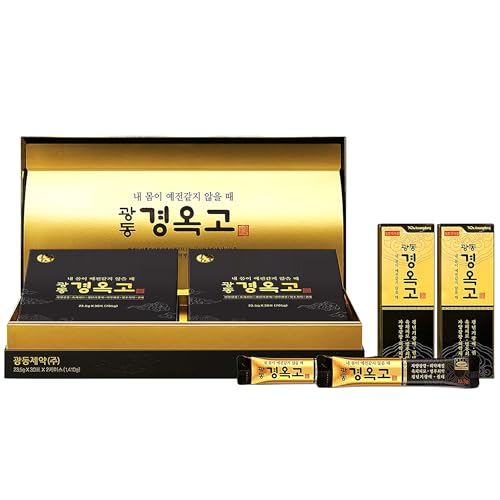
TRADITIONAL KOREAN HERBAL ENERGY SUPPORT – Kyung Ok Ko is a centuries-old premium Korean herbal formulation trusted for generations. This natural energy booster helps combat daily fatigue and supports overall vitality for both men and women, delivering sustained energy without jitters or crashes. Rooted in traditional Korean wellness wisdom passed down for centuries.

Elevate Your Nutritional Intake: With Turkey Tail Mushroom Extract powder, or Turkey Tail powder, you're not just taking a supplement; you're enhancing your diet with a nutrient-rich boost. It's an effortless way to add essential vitamins, minerals, and antioxidants to your daily intake, supporting overall health and vitality.
Common Adverse Health Outcomes
Exploring herbal supplements might seem like a straightforward way to enhance our wellness, but understanding potential adverse health outcomes is vital.
Recommended Products

Multi-targeted Prostate Support: Our advanced formula targets multiple aspects of prostate health, promoting optimal function, enhancing the immume system.

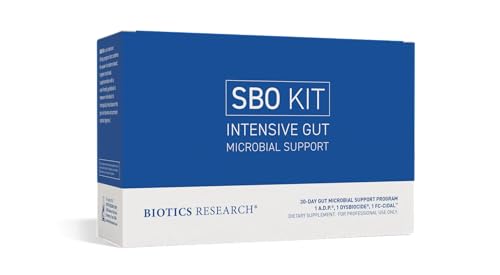
BALANCE MICROBIOME: A proprietary herbal formula to promote microbial balance.
Common Adverse Health Outcomes
- Cardiovascular Risks: Some supplements, especially those with ephedra, can lead to serious heart events like heart attacks and strokes.
- Neurotoxic Effects: Misuse may result in seizures or anxiety, raising concerns about mental health implications.
- Allergic Reactions: Herbal products might cause rashes or even anaphylaxis in sensitive individuals.
- Electrolyte Imbalances: Certain herbs can lead to low potassium, causing muscle weakness or abnormal heart rhythms.
It’s important to remember that herbal toxicities and supplement interactions can affect anyone, and staying informed about these risks can help us make safer choices. Additionally, consider the potential for interactions with prescribed medications, as some herbal supplements may affect their efficacy.
Emergency Room Visits Linked to Supplements
Every year, over 23,000 emergency room visits in the U.S. are linked to adverse events caused by dietary supplements, including herbal products. This highlights essential emergency trends we should be aware of.
- About 2,154 of these visits result in hospitalizations.
- Young adults aged 20-34 make up 28% of cases, often due to weight loss and energy products.
- Alarmingly, over 20% involve young children who accidentally ingest supplements.
Different patient demographics reveal varying symptoms. Young adults tend to experience cardiovascular issues, while children face accidental ingestion dangers. With minimal regulation and widespread use, it’s vital to recognize that just because a product is labeled “natural,” it doesn’t guarantee safety. Staying informed about these risks can help us make better choices. Furthermore, understanding probiotic strain diversity may be crucial for safe supplementation practices.
Recommended Products

Our supplier is DRUG manufacturing licensed meaning the products are held to a much higher safety & quality standard than normal supplements standard such as GMP.

Essential Saw Palmetto: These saw palmetto softgel capsules are a potent ingredient for prostate health and urinary health*
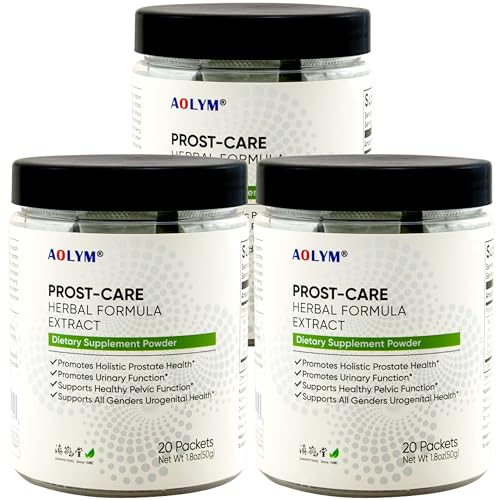
Multi-target Prostate Support: Our advanced formula designed to support prostate health in multiple ways, promote normal gland function, and help maintain a healthy immune system. Enhance a stronger urine flow and promote more complete bladder emptying, supports urinary and pelvic floor health.
Regulatory Challenges in Herbal Medicine
Understanding the regulatory landscape of herbal medicine is vital for anyone interested in these supplements.
Many countries have regulatory disparities, leading to differences in how herbal products are processed and monitored. In India, for instance, traditional herbs might be exempt from safety data, while the U.S. classifies many as dietary supplements with minimal oversight under the Dietary Supplement Health and Education Act (DSHEA). This creates enforcement challenges; the FDA must often prove a supplement is unsafe before taking action, which can permit questionable products to remain on the market.
With the expanding market and varying standards globally, evaluating the safety and efficacy of herbal supplements is increasingly complex, making it essential for consumers to stay informed and cautious. Many immune boosters, such as the top immune booster supplements, are often marketed without rigorous testing for safety and effectiveness.
Addressing Quality Control and Adulteration
Quality control in the domain of herbal supplements plays an essential role in ensuring consumers receive safe and effective products. To achieve quality assurance, we rely on various analytical techniques.
- DNA Barcoding: Helps authenticate herbal ingredients, preventing substitutions and adulteration.
- Chromatographic Methods: Techniques like HPLC and GC-MS allow for precise profiling of active compounds.
- Traditional vs. Modern Methods: While foundational macroscopic and microscopic examinations are important, combining them with advanced analytical methods enhances detection capabilities.
However, challenges remain. Natural variability and the lack of worldwide standards complicate consistent quality. Additionally, adulteration with cheaper or harmful substitutes poses serious risks. By prioritizing stringent quality control, we can endeavor for safer herbal supplement products that consumers can trust.
Recommended Products

Precision Potency Testing at Your Fingertips: Utilize cutting-edge UV Spectrometer Technology for instant and accurate results. App-controlled tCheck 3 provides a hassle-free experience, displaying potency levels in mg per teaspoon, mg per tablespoon, or mg per mL within seconds.

Complete 21-Day Program: The 21-day purification program with SP Complete Dairy Free and Whole Food Fiber helps people nourish and maintain a healthy body*

Revolutionize Potency Testing at Home: Experience cutting-edge tCheck 3 Potency Tester with new UV Spectrometer Technology, providing faster and more accurate results for activated hemp and herbal infused oils and tinctures. Say goodbye to guesswork and dial in the exact strength of your homemade edibles effortlessly.
The Importance of Consumer Awareness
The conversation about herbal supplements doesn’t stop at quality control; it extends into the domain of consumer awareness, which is just as important. We need to acknowledge that many herbal myths can mislead us, making supplements seem harmless simply because they are natural.
Here are key points to reflect on:
- Low Awareness: Many consumers are unaware of herb-drug interactions, which can pose risks.
- Misguided Sources: Instead of relying on healthcare professionals, we often turn to personal stories or social circles for information.
- Education Matters: Consumer education is significant. We must seek out reliable, scientific information to make informed choices.
As we navigate the world of herbal supplements, staying informed empowers us to use these products safely and responsibly.
Efficacy and Evidence for Herbal Products
When exploring herbal products, it’s essential to look at the efficacy and supporting evidence behind them. Clinical trials have provided valuable insights into herbal effectiveness. For example, St John’s wort has been confirmed as effective for mild to moderate depression through analysis of 23 randomized trials involving 1,757 patients. It even matches conventional antidepressants. Additionally, black cohosh may modestly alleviate menopausal symptoms; however, results can vary based on formulation. Other herbs, like turmeric, have shown consistent benefits in reducing inflammation markers. It’s important to note that many herbal products aren’t thoroughly researched, and the quality of evidence can differ greatly across studies. Overall, understanding the facts about herbal effectiveness can guide informed choices.
Healthcare Provider Guidance on Herbal Supplements
In order to make informed choices about herbal supplements, we must recognize the important role healthcare providers play in this process. Effective provider education on herbal products guarantees we receive clear and accurate information.
Regular conversations with our providers about our herbal supplement use help in several ways:
- Counseling: They can guide us on safe usage and potential risks.
- Monitoring: Providers track any adverse effects or interactions with our current medications.
- Personalized Advice: They assess the suitability of supplements based on our health.
Discussing herbal supplements means we can make safer choices. Knowing that manufacturers don’t need FDA approval for safety, consulting our healthcare providers is crucial for our well-being. Together, we can navigate the world of herbal supplements more safely.
Best Practices for Safe Use of Herbal Products
Maneuvering the world of herbal supplements can feel overwhelming, especially with so many options available. To guarantee safe use, we should follow a few best practices:
- Choose Wisely: Select products that are USP Verified or ConsumerLab.com Approved to assure quality.
- Dosage Accuracy: Always adhere to recommended dosages. Remember, taking more doesn’t mean better results.
- Safe Storage: Keep supplements in a cool, dry place, following the label instructions to maintain potency.
- Monitor Interactions: Consult reliable resources before combining herbal products with medications, especially if you take multiple prescriptions.
- Stay Informed: Be aware of any side effects and report them to a healthcare professional if needed.
Recommended Products

Highest Strength Yarrow NON-Alcohol liquid extract!

Highest Strength Mucuna NON-Alcohol liquid extract!
Frequently Asked Questions
Can Herbal Supplements Interact With Prescription Medications?
Steering through herbal interactions can feel like walking a tightrope; we must prioritize medication safety. While herbal supplements offer benefits, they can also interfere with prescription drugs. Let’s always share our supplement use with healthcare providers for ideal care.
Are Herbal Supplements Safe for Pregnant or Breastfeeding Women?
When considering herbal safety, we must acknowledge pregnancy risks. Since many supplements lack safety studies, it’s essential to consult healthcare providers before using them during pregnancy or breastfeeding, ensuring both mom and baby stay safe.
How Can I Identify Quality Herbal Supplement Brands?
When identifying quality herbal supplement brands, we should consider brand reputation and scrutinize product labeling. Thorough research helps us guarantee we’re choosing safe and effective options, backed by transparency and third-party testing.
What Should I Do if I Experience Side Effects?
If we experience side effects, we should stop the herbal remedy and seek medical attention promptly. Discussing side effects management with our healthcare provider can also lead to safer herbal remedy alternatives and better overall health.
Are There Official Guidelines for Herbal Supplement Dosages?
When we look for herbal dosage recommendations, we don’t find official guidelines like for vitamins. Most dosages come from traditional use or expert consensus, so it’s essential we consult healthcare providers for personalized advice.