As an Amazon Associate, we earn from qualifying purchases. Some links on this site are affiliate links at no extra cost to you. Our recommendations are based on thorough research and editorial judgment.


Should I Stop Supplements Before Surgery?

Yes, we should consider stopping certain supplements before surgery. Supplements like garlic, ginkgo biloba, and vitamin E can increase bleeding risks. It’s best to stop herbal supplements and multivitamins 10-14 days prior, while blood thinners like vitamin E should be discontinued 1-2 weeks ahead. Keeping our healthcare providers informed about all supplements is essential to avoid complications. By learning more about the specific supplements to avoid, we can guarantee a safer surgical experience.
Key Takeaways
- Discontinue herbal supplements and multivitamins 10-14 days prior to surgery to minimize risks of interactions and bleeding.
- Stop vitamin E and fish oil 1-2 weeks before surgery, as they can increase bleeding risks during the procedure.
- Communicate all supplement use with your healthcare provider to help prevent serious medication interactions.
- Garlic, ginkgo biloba, and high doses of vitamin E should be avoided due to their blood-thinning properties.
- Post-surgery, discuss your nutritional needs and necessary supplements with your healthcare team to support recovery.
Understanding the Risks of Continuing Supplements
You may be interested



When we think about continuing supplements before surgery, it’s essential to understand the potential risks involved. Many supplements can interact with medications we might encounter during our surgical journey. For example, some well-known items like garlic, ginkgo biloba, or vitamin E can heighten bleeding risks, complicating our surgical experience and impacting patient safety.
Additionally, certain herbal supplements might interfere with anesthesia, leading to prolonged sedation or respiratory challenges. Importantly, supplements like kava and St. John’s wort can alter how our bodies process anesthetic drugs. To safeguard our well-being, we should be transparent about all supplements we’re taking, ensuring the surgical team can manage these potential interactions effectively for a safer and smoother recovery. Additionally, some blood sugar support supplements may contain ingredients that can affect blood sugar levels during surgery, so it’s crucial to review them with your healthcare provider.
Recommended Products

PULMONARY SUPPORT: SU-PER PulmoShield is specifically formulated to aid in maintaining the normal integrity and function of the lungs, providing crucial support for equine athletes.

More, Better, Faster; Full Spectrum Curcumin is so advanced, just 40 mg of liquid curcumin in one LiCap delivers the equivalency of 75 (100 mg) capsules of this turmeric root extract

HEMRID ULTRA IS TOUGH ON HEMORRHOIDS. Our innovative new supplement, HemRid Ultra Rapid Attack, targets hemorrhoids from the inside out by helping to strengthen blood vessels so they are less vulnerable to hemorrhoids. That means less risk of flareups and less likelihood of hemorrhoid symptoms returning! If you suffer from hemorrhoids, HemRid Ultra Rapid Attack is the supplement you have been waiting for to ease your pain.
Recommended Timing for Discontinuation

To guarantee we’re fully prepared for surgery, it’s smart to think about when to stop our supplements. Most experts suggest halting supplements at least 1-2 weeks prior to surgery to ascertain supplement safety. Here’s a basic discontinuation timeline we should consider:
- Herbal supplements and multivitamins: Stop 10-14 days before surgery.
- Vitamin C, K, B vitamins, and multivitamins: Aim to stop around one week pre-op.
- Blood thinners like vitamin E and fish oil: Discontinue 1-2 weeks before.
Sticking to this timeline helps minimize risks like bleeding and anesthesia interactions. Always keep a current list of the supplements we take and chat with our healthcare provider well in advance for tailored advice. Additionally, some supplements, such as Omega-3 fish oil, can increase the risk of bleeding if not discontinued in time. This preparation is key to a smoother surgical experience.
High-Risk Supplements to Avoid Before Surgery
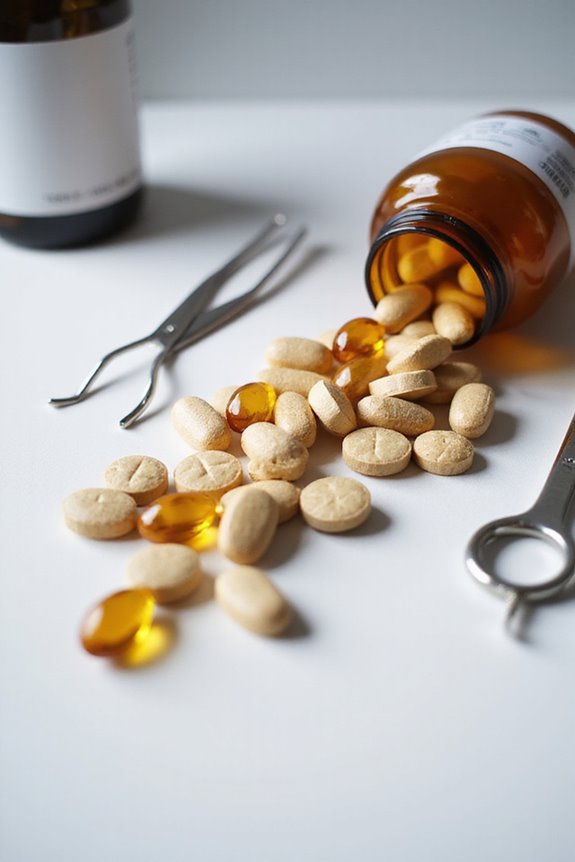
Before undergoing surgery, it’s important to be aware of high-risk supplements that we might need to avoid. Some common ones to watch out for include:
- Garlic supplements: Can increase bleeding risks due to blood-thinning properties.
- Ginkgo biloba: Raises bleeding potential by inhibiting platelets.
- Ginseng: May lead to excessive bleeding complications.
- High doses of Vitamin E: Acts as a blood thinner, increasing hemorrhage risk.
- Turmeric and ginger: Often used for inflammation but can interact with blood thinners and heighten bleeding risks.
These high-risk herbs can greatly affect our surgery outcomes, so it’s essential we avoid them to guarantee a smoother recovery process. Additionally, some hair growth supplements may pose risks, so it’s crucial to discuss their use with a healthcare professional before surgery. Always consult with a healthcare professional about our supplement use leading up to surgery.
Recommended Products
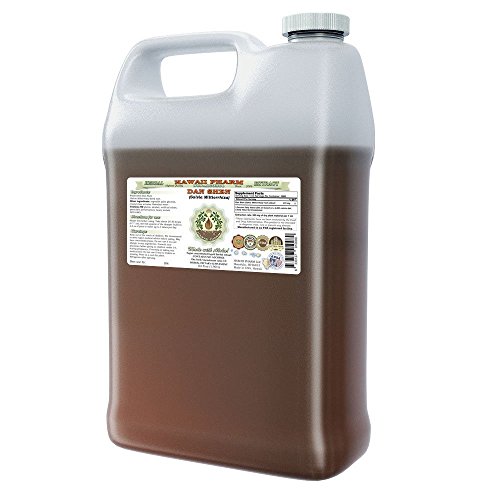
Highest Strength Dan Shen Alcohol-FREE liquid extract!
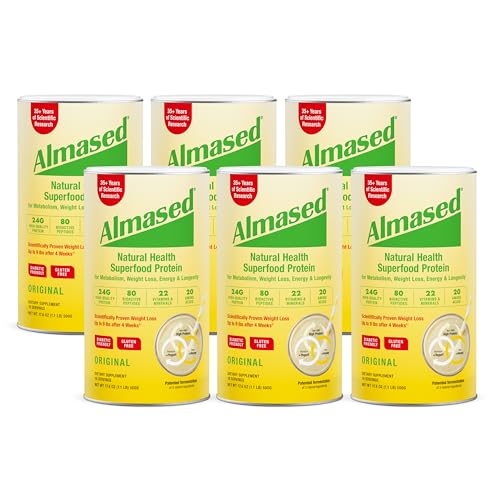
Meal Replacement Shakes Almased is a meal replacement shake made with soy protein, yogurt and honey

✅ 𝐔𝐍𝐋𝐄𝐀𝐒𝐇 𝐍𝐀𝐓𝐔𝐑𝐄'𝐒 𝐆𝐎𝐎𝐃𝐍𝐄𝐒𝐒: Our Wild White Willow Bark, sourced from deciduous shrubs, encapsulates the untamed essence of nature for a holistic well-being experience.
The Importance of Disclosure and Communication

Have we ever stopped to think about how significant it is to share our supplement use with our healthcare providers? Patient transparency is critical, especially when it comes to preparing for surgery. Many patients overlook this aspect, believing supplements are safe and worth ignoring. However, failure to communicate can lead to serious risks, such as interactions with medications.
To enhance disclosure, healthcare providers can use effective communication strategies. Asking specific questions about our supplement use during routine check-ups can foster open discussions. This proactive approach builds trust, ensuring that we share essential information. By embracing transparency, we can help our healthcare team optimize our safety and surgical outcomes. Additionally, it’s important to consider possible supplement interactions with prescribed medications, which can pose risks during surgery. Let’s remember, sharing is fundamental for our well-being during the surgical journey.
Exceptions for Perioperative Supplement Management

Steering through the world of supplements can get trickier when surgery is on the horizon. While many supplements need to be paused, some exceptions exist. For those of us on prescribed vitamin D or calcium for a deficiency, we might be able to continue taking them if our provider agrees. Multivitamins are often stopped, but if our nutritional needs are specific, we could request exceptions based on individualized decisions.
Certain low-risk supplements can stay in our routine, as long as we’re guided by our healthcare team. Preoperative education plays an essential role here, ensuring we comprehend why some supplements are adjusted, helping us make informed choices leading up to surgery. Additionally, it’s crucial to consider the potential effects of natural sleep aids on overall health and recovery during this period.
Key Clinical Recommendations and Guidelines
When it comes to prepping for surgery, knowing what supplements to take or pause can feel overwhelming. To help simplify, we should generally stop all vitamins, supplements, and herbal products at least 7 days before surgery to lessen the chance of complications.
Important guidelines include:
- Discontinue high-risk supplements like vitamin E and fish oil 1 to 2 weeks prior.
- Keep a detailed log of all medications and supplements to share with your surgical team.
- Certain essential nutrients, like calcium and iron, can often be continued based on individual needs.
The Role of Healthcare Providers in Supplement Management
In preparation for surgery, it’s essential for us as healthcare providers to take an active role in managing our patients’ supplement use. We need to review all dietary supplements patients take to anticipate any potential complications. By collaborating with pharmacists, dietitians, and other specialists, we guarantee a thorough understanding of supplement safety and necessity.
Our focus is on educating patients about the importance of being transparent about their supplement use. This means discussing which supplements may need to be discontinued, especially those affecting bleeding.
Through provider education and multidisciplinary collaboration, we help optimize each patient’s surgical outcomes, assuring a smoother path to recovery. Remember, every detail matters when it comes to your health and safety.
Considerations for Postoperative Supplement Use
Understanding what to take into account regarding postoperative supplement use is essential for a successful recovery. After surgery, our focus on post-surgery nutrition becomes vital for healing. Key factors include:
- Nutritional Needs: Many of us may require specific supplements, like multivitamins or calcium.
- Supplement Absorption: We should be mindful of when we take our supplements, as timing and form affect how well they work.
- Regular Monitoring: Frequent check-ups in the first year help us adjust supplements based on nutrient levels.
- Engagement: Working closely with our healthcare team enhances adherence to supplement plans.
Recommended Products

Potent, Organic Vitamins - Packed with over 30+ essential vitamins and minerals in one capsule, it's easier than ever to give your body the nutrition it doesn't get with food. Help your body build a healthy foundation & routine with our multivitamin.

Daily Multivitamin for bariatric procedure recovery: A potent, iron-fortified once-daily capsule designed to fulfill your everyday nutritional needs
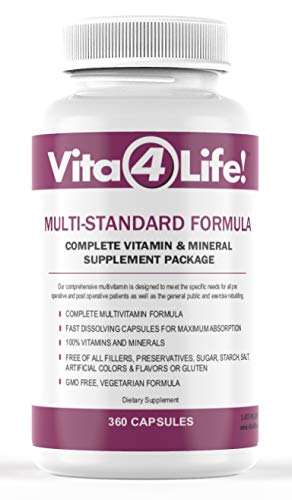
Comprehensive Coverage - 360 capsules deliver 50+ essential vitamins & minerals—including A, C, D₃, E, B-complex, calcium malate, iron bisglycinate—for total body support.
Frequently Asked Questions
Can I Take Supplements After My Surgery?
In the whirlwind of post-surgery recovery, we can harness supplements for healing, yet we must tread carefully. Prioritizing supplement safety and consulting our healthcare team guarantees we’re on the path to ideal recovery.
How Do I Know if a Supplement Is Safe Before Surgery?
To determine a supplement’s safety before surgery, we should check safety guidelines regarding its ingredients. Disclosing all supplements to our healthcare team helps evaluate potential risks and guarantees the best outcome for our surgery.
What Are the Signs of Supplement Withdrawal?
We should be aware that withdrawal symptoms can include fatigue, mood changes, and digestive issues. Stopping supplements can reveal underlying deficiencies, impacting our overall health and highlighting the importance of understanding supplement effects before discontinuation.
Are There Any Specific Supplements to Aid Recovery After Surgery?
After surgery, we should focus on protein supplements for tissue repair and embrace vitamin benefits like C and D for healing. Together, these nutrients boost recovery, helping us bounce back stronger and healthier.
Should I Consult a Nutritionist Regarding My Supplements Pre-Surgery?
We can’t underestimate the value of a nutritional assessment. While some think supplements are harmless, they may interact negatively. Consulting a nutritionist helps us navigate potential supplement interactions, ensuring our surgical safety and recovery progression.