As an Amazon Associate, we earn from qualifying purchases. Some links on this site are affiliate links at no extra cost to you. Our recommendations are based on thorough research and editorial judgment.

How To Read Supplement Labels?

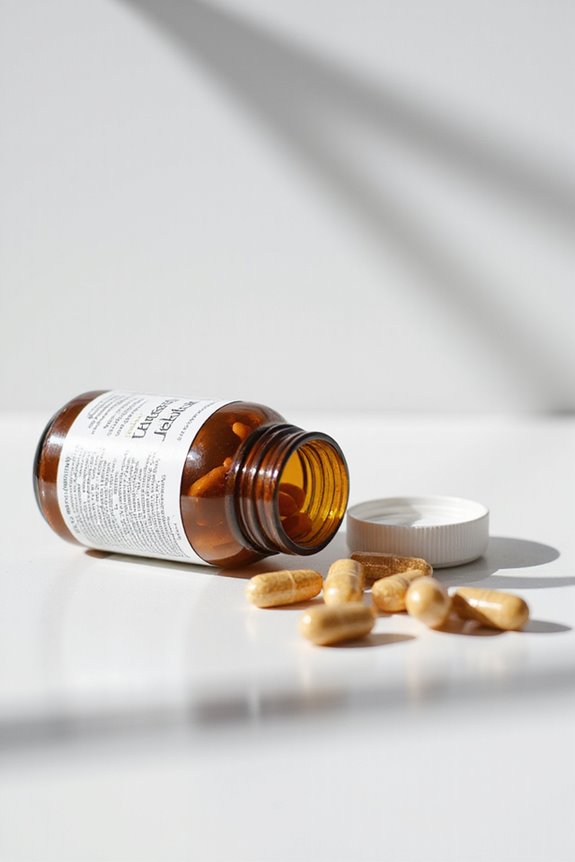
To read supplement labels effectively, let’s focus on a few key parts. Start with the Supplement Facts panel, where you’ll find serving sizes and nutrient amounts. Check for the % Daily Values to gauge how much a nutrient contributes to your daily intake, using 5% as low and 20% as high. Evaluate the ingredient list for transparency and quality, paying attention to any potential allergens or additives. If you want to get the hang of it, there’s more to discover!
Key Takeaways
- Start by examining the Supplement Facts panel to understand the ingredients and their amounts per serving as well as daily values.
- Pay attention to the serving size and servings per container to effectively plan usage and assess cost-effectiveness.
- Check the %DV to gauge nutrient levels: a value of 5% or less is low, while 20% or more is high, aiding comparisons.
- Look for certification seals and third-party testing statements on labels to ensure quality and safety of the product.
- Review the ingredient list for transparency, preferring whole food ingredients over synthetic additives and being cautious of vague marketing terms.
Understanding the Supplement Facts Panel
You may be interested

When we look at supplement labels, the Supplement Facts panel is our go-to guide for understanding what’s inside. This panel highlights key dietary ingredients, listing them by their common names and often detailing their plant sources. If there’s a proprietary blend, it’ll be labeled clearly, showing the total weight and individual components. The nutrient amounts are displayed, including daily values where applicable. It’s essential to note that any ingredients without established daily values will still be listed. The panel must meet specific packaging requirements, ensuring clarity with a legible format and proper herbal identification. By familiarizing ourselves with the Supplement Facts, we can make informed choices about what we consume. Additionally, checking for third-party testing on labels can provide assurance of product quality and safety.
Decoding Serving Sizes and Servings per Container
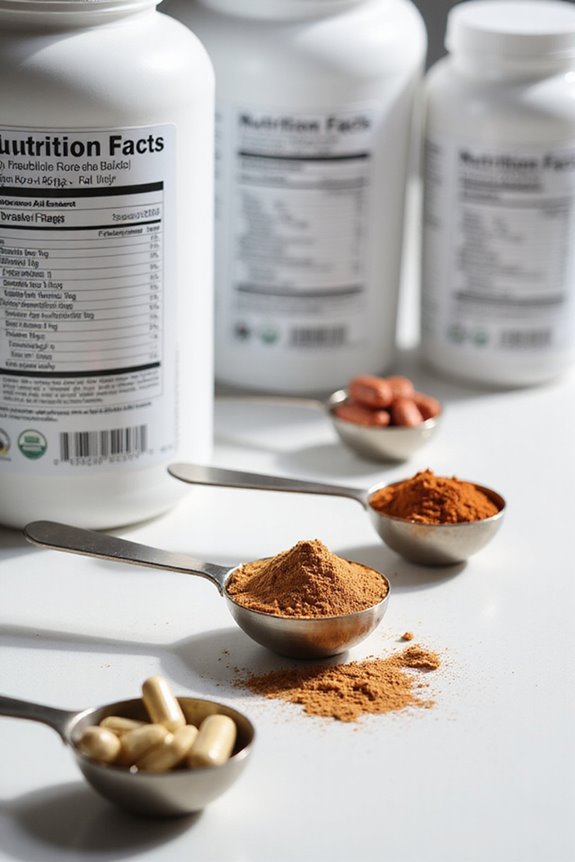
Understanding the Supplement Facts panel sets a solid foundation, but being aware of how to decode serving sizes and servings per container is just as important.
Serving Size Significance
Serving size tells us the recommended amount to take at one time, often represented as units like capsules or tablets. Importantly, there’s no standard size set by the FDA; manufacturers define these sizes to meet safety regulations.
Servings Per Container
Servings per container show how many doses are in the whole container based on the serving size. This info helps us plan our use and understand cost-effectiveness. For example, if a bottle holds 100 tablets with a serving size of 2 tablets, it indicates we have 50 servings. Additionally, knowing the CFU potency levels of the probiotics in the supplement can aid in assessing the effectiveness of the product.
Analyzing Amounts per Serving

Analyzing amounts per serving can greatly enhance our understanding of a supplement’s value and effect. To maximize our supplement experience, we should focus on amount verification and dosage calculations, ensuring we’re aware of each ingredient’s weight or measure listed on the label.
Key points to remember:
- Amounts must be expressed per serving size, context that helps us determine efficacy.
- Quantities shown may vary (mg, mcg, IU), but they must comply with regulatory standards.
- Accurate details prevent overdosing by keeping us within safe intake limits.
- Comparing amounts across products can aid in selecting the right option for our needs.
- Prioritizing EPA/DHA content in fish oil products is essential for effectiveness and meeting specific health goals.
In short, understanding these amounts is crucial for informed and safe supplement use, ultimately helping us achieve our health goals.
Recommended Products


The information below is per-pack only

Superior Source of Omega-3: GLX3 Contains ALL 30 Free Fatty Acids (EPA, DHA, OTA, ETA & MORE ). ETA is only found in Green Lipped Mussels, making GLX3 the Superior Omega-3 choice. GLX3 is sourced from sustainably farmed New Zealand green lipped mussels, a more bioavailable source of Omega-3 compared to regular omega 3 fish oil or krill oil. Keep this in mind when comparing to an inexpensive powder version or fish oil pills. Contains Omega 3-6-9 in powerful, easy to swallow, burpless capsules.
Interpreting Percent Daily Values (%DV)

Interpreting Percent Daily Values (%DV) on supplement labels can be quite helpful for us as we navigate our nutritional needs. %DV shows how much a nutrient in one serving contributes to the daily recommended intake for the average adult.
- Daily Value Importance: Established daily values help us understand nutrient contributions based on a standard 2,000-calorie diet.
- Nutrient Comparison: By looking at %DV, we can easily compare different foods and supplements.
Typically, a %DV of 5% or less indicates a low nutrient level, while 20% or more is considered high. This simple percentage gives us a clearer picture of how a supplement fits into our overall dietary routine, helping us make more informed choices. Additionally, understanding the key ingredients for stress relief can guide us in selecting supplements that effectively address our specific needs.
Ingredient List: What to Look For

When we take a closer look at the ingredient list on supplement labels, what should we keep in mind to make informed choices? First, let’s consider additive safety. We often find fillers or preservatives like cellulose and maltodextrin. Long lists of these additives may hint at lower quality, so it’s wise to scrutinize them closely.
Next, ingredient sourcing matters. Active ingredients are typically listed first, indicating they’re present in the highest quantities. We should also check if the supplement mentions allergens or specific sources of herbal ingredients. Finally, understanding which ingredients are functional versus inconsequential helps us decide better. Familiarity with ingredient names not only promotes safety but also enhances our overall supplement experience. Additionally, ensuring that the supplement is backed by certifications like MSC certification can help verify its quality and sustainability.
Recommended Products

Maximize your Potential: Enhance your active lifestyle with our Whey Protein Isolate powder, or Whye Protein Powder Isolate, designed to support your strength and performance goals. Each serving delivers a substantial 30 grams dose, catering to both fitness enthusiasts looking to push their limits.

PREMIUM ORGANIC SOURSOP (GRAVIOLA OR GUANABANA) LIQUID DROP – Enjoy the benefits of soursop (graviola) liquid drops, known in Spanish as amargo de guanábana, carefully manufactured from organically grown soursop leaves. This concentrated soursop drops is a 15:1 extraction ratio, our pure soursop extract organic delivers 1000mg of pure guanabana leaves in every serving, offering maximum benefits for cell support and rejuvenation.
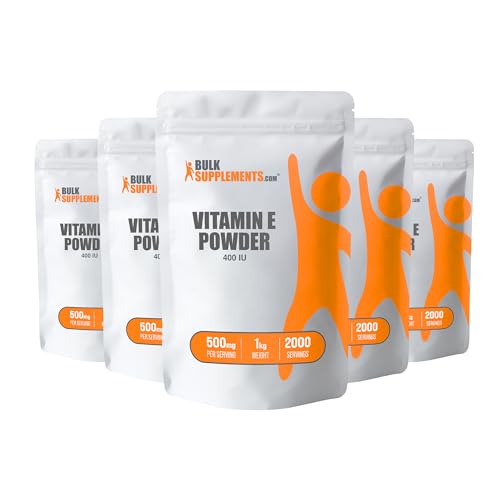
Foundational Elements for Wellness: Vitamin E supplements, in Vitamin E powder, are the cornerstones of health, playing critical roles in various bodily functions from immune support to overall health. Ensure your body has the right building blocks for vitality.
Quality Indicators and Third-Party Testing
In order to choose quality supplements wisely, it’s essential to identify key indicators and understand the role of third-party testing.
When we look at supplement labels, we should check for:
- Certification Seals: Look for seals from organizations like NSF or USP, which mean the product has been independently tested for quality verification.
- Good Manufacturing Practices (GMP): This confirms the manufacturer follows regulated standards.
- Certificates of Analysis (COA): These might be available via QR codes for transparency about ingredient amounts and contaminants.
Understanding the testing significance is also crucial. Products verified by third parties provide assurance against variability and potential contaminants, helping us make informed choices in our health and wellness journeys.
Recommended Products

3 Year (36 Months) Warranty!

Accurate four terminal measurement down to 100µ ohms does not require test leads resistance compensation
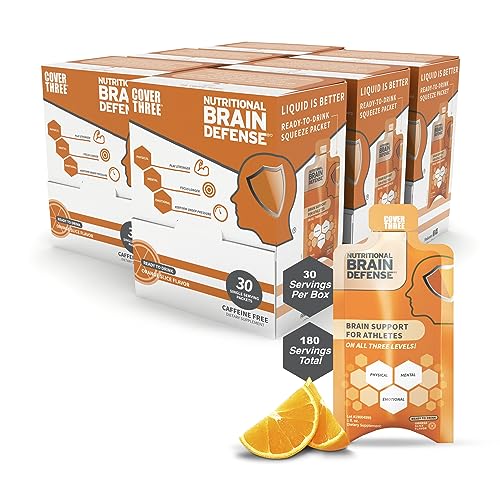
✔️POWERFUL BLEND OF SUPPLEMENTS: The Cover Three blend is packed with powerful natural supplements designed to help your brain thrive. We use Curcumin, Trans-Resveratrol, Omega-3 Fatty Acids (EPA and DHA), Uridine, Alpha GPC, and Vitamin C to help fortify your brain so it can heal, develop, and perform optimally.
Structure/Function Claims Explained
Understanding the labels on dietary supplements includes recognizing structure/function claims, which play a significant role in how we interpret a product’s benefits.
Structure/function definitions highlight how a nutrient affects normal bodily functions without implying disease treatment. For instance, claim examples like “Calcium builds strong bones” or “Fiber maintains bowel regularity” illustrate this concept well. These claims, governed by the Dietary Supplement Health and Education Act, don’t need pre-market approval, but must be supported by reliable scientific evidence.
It’s important for us to differentiate these from health claims, which link nutrients to disease risk. A well-crafted structure/function claim will clearly relate to how a supplement supports our health, guiding us in our choices without suggesting it can substitute for medical advice.
Recommended Products

✅ HIGH QUALITY: Registered by Vegan Society, our vegetarian capsules are manufactured and packaged in state-of-the-art cGMP certified facilities meeting all health compliance requirements. K-CAPS contain low (4% to 10%) moisture content, disintegrate within 15-minutes.

GET YOUR DAILY DOSE OF CALCIUM: Umeken Mineral L-Cal is a potent dietary supplement made from fermented natural beets and essential minerals extracted from natural minerals in the Great Salt Lake in Utah

NuBest Tall 10+ has been independently reviewed by ConsumerLab, a trusted third-party organization known for evaluating dietary supplements for quality, ingredient accuracy, and purity. This independent review provides added confidence that the product meets established quality standards. Based on ConsumerLab approved testing in March 2024.
Allergen and Safety Information
Maneuvering allergen and safety information on supplement labels is essential for all of us, especially those with sensitivities. We should pay attention to allergen labeling, which requires major allergens to be declared on the ingredient list or near the Supplement Facts panel. This includes details like parenthetical statements or “Contains” statements that clearly list allergens like milk or sesame.
- Remember to check for any incidental additives as they too may contain allergenic proteins.
- Look for allergen information presented clearly, typically in the same font size as the Supplement Facts.
Being proactive about these details helps guarantee our safety. Let’s cultivate a habit of scrutinizing labels to avoid any unwanted reactions or surprises.
Practical Tips for Consumers
When we look at supplement labels, knowing what to prioritize can make a significant difference in our choices. Here are some practical tips for evaluating labels effectively:
- Label Comparisons: Compare serving sizes and ingredient amounts to assess value.
- Avoid Marketing Jargon: Be wary of vague terms like “natural” or “clinically proven”; these aren’t always regulated.
- Check Ingredient Lists: Confirm the ingredients align with your health goals and watch out for proprietary blends that obscure details.
- Quality Indicators: Look for third-party certifications that signal quality assurance.
- Expiration Dates: Always check for these to confirm the product’s effectiveness.
Recommended Products

𝗔𝗹𝗹-𝗶𝗻-𝗢𝗻𝗲 𝗥𝗲𝘃𝗲𝗿𝘀𝗲 𝗢𝘀𝗺𝗼𝘀𝗶𝘀 𝗦𝘆𝘀𝘁𝗲𝗺, 𝗦𝗺𝗮𝗿𝘁 & 𝗠𝗶𝗻𝗲𝗿𝗮𝗹𝗶𝘇𝗲𝗱: This modern all-in-one reverse osmosis water filter system combines advanced RO purification, built-in remineralization, and smart WiFi monitoring in a single under-sink RO system. Designed to deliver clean, great-tasting water with added essential minerals while giving you real-time system visibility through your phone, it offers a convenient, space-saving, and cost-effective solution for everyday drinking water needs.

LTE performance at 2G power consumption (less than 1W in idle mode) -

Pack Includes: 8 complete chafer sets (each set contains 1 full-size water pan, 1 full size food pan, 1 dome cover, 1 frame stand, 2 fuel holders with covers)
Staying Informed on Regulations and Research
To stay up-to-date with the constantly changing landscape of dietary supplement regulations and research, we need to remain proactive in our approach. Regularly checking for regulatory updates from the FDA is essential. They recently proposed new labeling rules that could impact how supplements are presented, including where claims might appear. Staying informed also includes following scientific research that updates our understanding of nutrients. For example, required labeling changes for vitamins like D and potassium will be in effect by February 2028. Engaging with public comments can help us voice our opinions on proposed regulations. By keeping an eye on these developments, we guarantee we’re making informed decisions about the supplements we choose.
Frequently Asked Questions
Can I Take Multiple Supplements Together Safely?
When considering taking multiple supplements together, we should be cautious about potential supplement interactions. Following dosage recommendations and consulting with a healthcare provider can help guarantee our safety and minimize any risk of adverse effects.
How Should I Store My Supplements?
Wondering how we can keep our supplements fresh? We should store them in cool, dry places, use airtight containers, monitor humidity, and guarantee child safety while always checking expiration dates and avoiding light exposure.
Are There Side Effects From Dietary Supplements?
Yes, we can experience common side effects from dietary supplements, such as rashes or digestive issues. It’s essential to be aware of potential interactions with medications, which can heighten these side effects and create further health risks.
How Do I Know if a Supplement Is High-Quality?
To identify high-quality supplements, we should prioritize those with transparent ingredient sourcing and third-party testing. These indicate a commitment to safety and efficacy, helping us make informed choices for our health and wellness.
What Should I Do if I Experience Adverse Effects?
If we’re experiencing adverse reactions, let’s stop the supplement immediately. Consulting professionals is essential for any severe symptoms. Reporting our experiences can help improve safety, so we need to keep all relevant information ready.