As an Amazon Associate, we earn from qualifying purchases. Some links on this site are affiliate links at no extra cost to you. Our recommendations are based on thorough research and editorial judgment.


How Do I Clean My Medical Device?

Cleaning our devices is crucial to keep them working well. First, we should clean them right after use to avoid dirt build-up. Using water with detergent or special cleaners helps remove visible grime. Next, rinsing with deionized water guarantees no contaminants remain. It’s also essential to follow the specific cleaning guidelines provided by the manufacturer for the best results. By sticking to these practices, we can make sure our devices stay functional and safe. There’s more to explore on this topic.
Key Takeaways
- Clean the medical device immediately after use to prevent residues from hardening and to ensure effective cleaning.
- Use compatible cleaning methods and products as specified in the manufacturer’s instructions to avoid damaging the device.
- Disassemble the device as directed by the manufacturer’s guidelines to access all components thoroughly during cleaning.
- Rinse the cleaned device with deionized or distilled water to eliminate any contaminants before drying or reassembly.
- Perform regular inspections and maintain records to ensure ongoing compliance with cleaning protocols and device performance standards.
Understanding the Importance of Cleaning Medical Devices
You may be interested

When we think about the importance of cleaning in healthcare, it’s hard not to notice the staggering statistics surrounding hospital-associated infections (HAIs). Over 1 million HAIs occur annually in the U.S., many tied to improper cleaning practices. By adhering to proper cleaning protocols, we can reduce infection rates by around 30%, greatly boosting patient safety.
Moreover, stringent cleaning methods effectively curb the transmission of multidrug-resistant organisms. This emphasizes the critical role that cleaning plays in infection prevention. When devices aren’t cleaned correctly—like endoscopes, which are involved in nearly half of HAIs associated with equipment—we risk severe outbreaks.
Ultimately, understanding how essential cleaning is makes a real difference in patient care, enhancing outcomes for everyone. Additionally, using devices designed with biocompatible materials can significantly aid in maintaining hygiene and safety.
General Cleaning Principles for Medical Devices
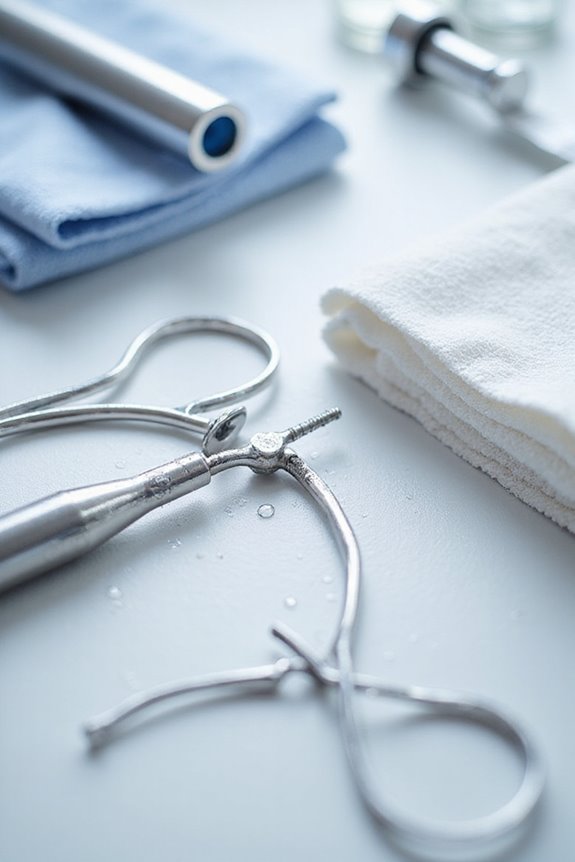
Cleaning plays a significant role in keeping our tools in good working order. To guarantee the best results, we need to take into account a few fundamental principles.
- Cleaning Frequency: We should clean our devices regularly, especially after every use, to maintain effectiveness.
- Device Compatibility: It’s essential to use cleaning methods and products compatible with each tool. This prevents damage and guarantees thorough cleaning.
- Disassembly Guidelines: If devices have removable parts, we must follow clear disassembly instructions to clean thoroughly.
- Visual Inspection: Post-cleaning inspections help us spot any wear or damage, confirming that everything’s in proper working order. Additionally, it is crucial to regularly check electrode pads and wires to ensure reliable performance.
Manufacturer’s Cleaning and Reprocessing Instructions

Understanding the importance of following manufacturer’s cleaning and reprocessing instructions is key to proper maintenance. These instructions are crafted through manufacturer validation, guaranteeing that each step is backed by evidence showing the device can be cleaned and sterilized safely.
- Clear Guidance: They provide detailed cleaning instructions, including how to disassemble and reassemble the device.
- Validation Checks: Each method assures that cleaning agents effectively reach all components without damaging them.
- User-Friendly: The instructions are designed to be clear, with visuals aiding in understanding.
In addition to following these instructions, it’s essential to ensure that your medical device adheres to medical-grade standards to maintain its reliability and performance. We should always refer to the specific cleaning instructions provided by the manufacturer, as they confirm the best practices for keeping your device in top condition. Following these guidelines helps us guarantee effective cleaning and long-term functionality.
Recommended Products

MULTI-SCENARIO COMPATIBILITY: This transfer lift chair is designed for home use, with an adjustable height range of 15.7–25.5 inches and a 21-inch overall width that fits through most standard door frames. This design effectively solves height and width gaps when transferring patients between sofas, beds, toilets, and bathrooms. The waterproof structure allows use as a shower wheelchair, supporting safe transfer from bed to chair across multiple scenarios

LIMERICK'S JOY STANDARD PUMP is a portable hospital performance breast feeding device carefully crafted to simplify and enhance the pumping experience for new mothers. Complete with a digital breast pump, ComfortTouch kit, snap-in bottle holders, and power supply

ENHANCED SAFETY & COMFORT FEATURES: Comes with an ergonomic seat, foldable push / lift handles, headrest, footrest, padded adjustable upper control handle, rider safety belts, dual manual wheel locks, wall mount bracket and lightweight storage cover
Steps to Clean Your Medical Device Effectively
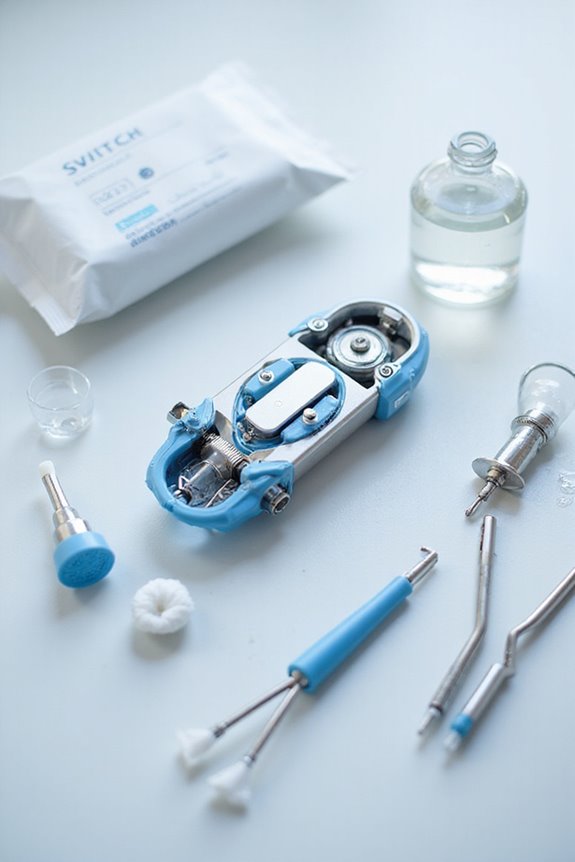
To maintain our device’s effectiveness, we need to follow a few simple steps right after we use it. First, let’s clean it as soon as possible to prevent any residues from hardening. We should start by removing visible dirt using water with detergent or enzymatic cleaners.
Next, we can enhance our cleaning techniques by using mechanical methods like ultrasonic cleaners. If our device has small channels, flushing techniques will help clear internal pathways too.
After washing, we must rinse thoroughly—with deionized or distilled water, if possible—to avoid contamination. It’s also essential to follow the manufacturer’s guidelines when choosing cleaning equipment and agents to guarantee everything stays in good shape. Following ISO 13485 guidelines ensures our device remains effective and reliable.
Recommended Products

SUS304 Stainless Steel Tank: The inner tank of the ultrasonic cleaning machine is made of SUS304 stainless steel, which makes the equipment resistant to weak acids and alkalis, reduces corrosion and prolongs the service life of the product.

Heated Cleaning – up to 69°C/156.2°F

40KHz Ultrasonic Frequence for Intensive Rinse: Generally, 40KHz ultrasonic frequency can be used to clean stuffs with complicated surfaces, such as blind holes and deep holes etc. The stuffs to be cleaned can be,but not limited to, bicycle, gun, Bicycle, motorcycle, engine, carburetor parts, oil filters,chains,gears,disc brakes, jewelry, eyeglasses, watchband, coins etc.
Cleaning Protocols for Specific Medical Device Types
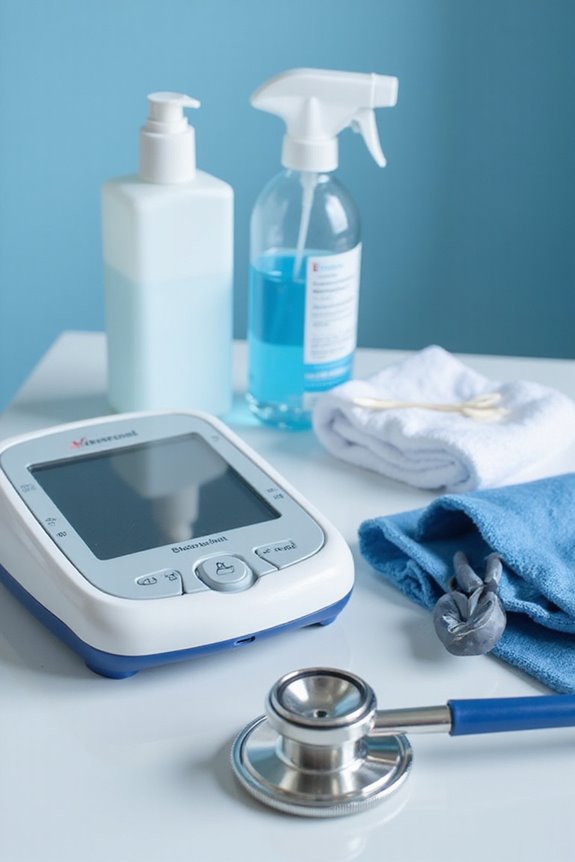
When it comes to keeping our tools in top shape, different types call for unique cleaning protocols. For endoscopes and flexible instruments, meticulous flushing with specialized cleaning solutions is fundamental. Disassembly steps must be included to access all surfaces thoroughly. We can use enzymatic detergents and employ manual or automated cleaning techniques.
With surgical instruments, it’s essential to clean promptly to avoid dried residues. Metal-compatible detergents and thorough rinsing must be part of our routine.
For reusable implantable devices, validated cleaning steps guarantee that we remove contaminants effectively. Additionally, systematic quality checks should be performed to ensure that the cleaning process meets safety standards.
Semi-critical devices need careful cleaning before high-level disinfection, too. In all cases, following detailed instructions is crucial for maintaining the integrity and functionality of our tools.
Recommended Products

Package Dimensions: 15.51 L x 11.02 H x 13.31 W (inches)
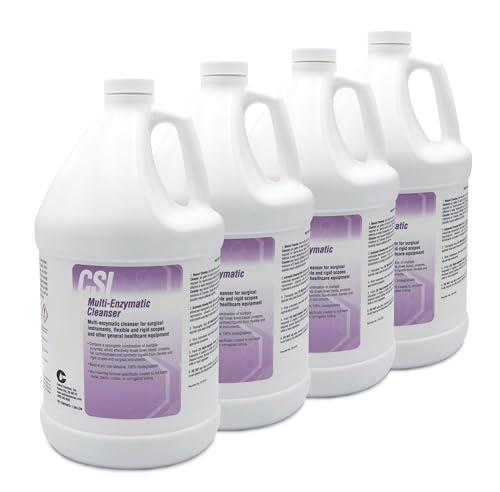
Potent cleaning solution - Elevate your cleanliness standards with CSI’s Multi Enzymatic Cleanser. Designed for busy research offices and medical facilities, this high-quality medical instrument cleaner ensures impeccable hygiene while leaving a refreshing scent to enhance your workspace ambiance.
![McKesson Multi-Enzymatic Cleanser for Surgical Instruments & General Healthcare Equipment, 1 Gallon [Pack of 1] Spring Fresh](https://m.media-amazon.com/images/I/31AlAAMIS3L._SL500_.jpg)
McKesson multi-enzymatic detergent contains a synergistic combination that effectively removes bodily fluids and tissues from medical equipment
Quality Control Measures in the Cleaning Process
Quality control measures play an essential role in guaranteeing our cleaning processes for tools are both effective and reliable. Here’s how we implement quality assurance and cleaning validation:
- Verification of Equipment: We perform regular checks on cleaning equipment, using tools like borescopes to confirm cleanliness in intricate areas.
- Validation Protocols: Our cleaning methods are validated to guarantee they meet industry standards, removing residues safely and effectively. Revalidation occurs after any changes in processes or materials.
- Routine Audits: Regular audits assess adherence to cleaning protocols, identifying areas for improvement.
- Personnel Training: Our staff undergo ongoing training to stay updated on best practices and maintain competency.
With these measures, we enhance the reliability and safety of our cleaning processes, supporting our commitment to quality.
Safety Considerations During Cleaning
Cleaning medical equipment is an important step that requires attention to safety throughout the process. To guarantee operator safety and prevent cross contamination risks, we should follow a few key practices:
- Must wear PPE: Gloves, masks, and sometimes protective eyewear protect us from potential infectious materials.
- Inspect devices: Before we clean, checking for any damage is essential. Compromised devices can hinder effective cleaning.
- Clean promptly: Addressing devices right after use prevents the drying of residues, which can complicate cleaning.
- Proper disposal: Safely discarding contaminated materials is imperative to minimizing environmental impact.
- Follow manual guidelines: Adhering to instructions for disassembly and assembly helps maintain device integrity.
Selecting Appropriate Cleaning Agents
Selecting appropriate cleaning agents is pivotal for successful cleaning, directly tying into the safety protocols we’ve discussed earlier. Here’s a quick rundown of what’s available:
- Enzymatic cleaners: Great for organic residues and safe for sensitive materials.
- Alkaline-based cleaners: Efficient but can be corrosive; check material compatibility.
- Neutral pH detergents: Balance cleaning effectiveness with safety for delicate instruments.
- Specialty chemistries: Improve cleaning in automated systems.
- Solvents like chlorinated options: Effective for oil removal, but material compatibility varies.
When choosing cleaning agents, always consider the type of materials your items are made from. Making the right choices not only protects your items but also guarantees a thorough clean.
Recommended Products
McKesson multi-enzymatic detergent contains a synergistic combination that effectively removes bodily fluids and tissues from medical equipment


Inspecting and Maintaining Your Medical Device
When it comes to guaranteeing our devices function efficiently, regular inspections and maintenance can’t be overlooked. We should schedule inspections based on device type and usage frequency, following manufacturer recommendations. Employing trained professionals guarantees reliability in our inspection methods.
Key inspection points include:
- Visual checks for damages like cracks or loose parts.
- Functional tests to confirm the device operates correctly.
- Calibration checks typically every six months or annually to maintain accuracy.
We must also monitor consumable parts, replacing them as recommended. Keeping detailed logs of our maintenance schedules is essential for traceability and compliance. By staying diligent with these practices, we can enhance the longevity and performance of our devices, leading to a smoother experience overall.
Recommended Products

Takes superb images with your smartphone. Glass faceplate with 10 mm scale

Wirelessly captures pictures and videos.

---400X Magnification Optic Fiber Inspection Probe Komshine KIC-05D Optical Fiber Cleaner Tool kit
Regulatory Compliance and Best Practices
Understanding the essential aspects of regulatory compliance and best practices is crucial for any organization working with these devices. We face various regulatory challenges but adhering to guidelines guarantees we maintain high standards. Compliance audits are critical; they verify that our cleaning methods meet required benchmarks set by authorities like the FDA and EU.
Key points include:
- Cleaning validation must confirm devices are free from contaminants.
- Develop cleaning methods early in design with detailed instructions.
- The ANSI/AAMI ST98:2022 standard outlines acceptance criteria for cleaning processes.
- Regular reviews of cleaning processes and data help us stay compliant.
Frequently Asked Questions
Can I Use Household Cleaners for Medical Device Cleaning?
We shouldn’t use household cleaners for medical device cleaning due to potential risks. Instead, let’s stick to manufacturer-approved products and effective cleaning techniques that guarantee our devices remain safe without harmful chemical exposure.
How Often Should I Clean My Medical Device?
When it comes to cleaning frequency, we must remember that proper device maintenance is essential. Let’s aim for immediate cleaning after use and adhere to guidelines for regular upkeep to guarantee peak performance and safety.
What Should I Do if My Device Is Damaged?
If our device’s damaged, we should start with a thorough damage assessment to determine the extent of the issue. After that, we can explore necessary device repair options to restore it to proper working condition.
Is It Safe to Clean Devices in a Dishwasher?
Is it really safe to toss our medical devices in a dishwasher? Let’s not risk ruining delicate device materials or compromise dishwasher safety—specialized cleaning methods exist to guarantee our devices stay effective and safe for use.
Can I Skip Cleaning if the Device Looks Clean?
We can’t skip cleaning just because a device looks clean. Proper device maintenance requires following established cleaning protocols to guarantee safety, as hidden contaminants can still pose serious risks despite an outwardly clean appearance.