As an Amazon Associate, we earn from qualifying purchases. Some links on this site are affiliate links at no extra cost to you. Our recommendations are based on thorough research and editorial judgment.

Are There Devices For Wound Care?

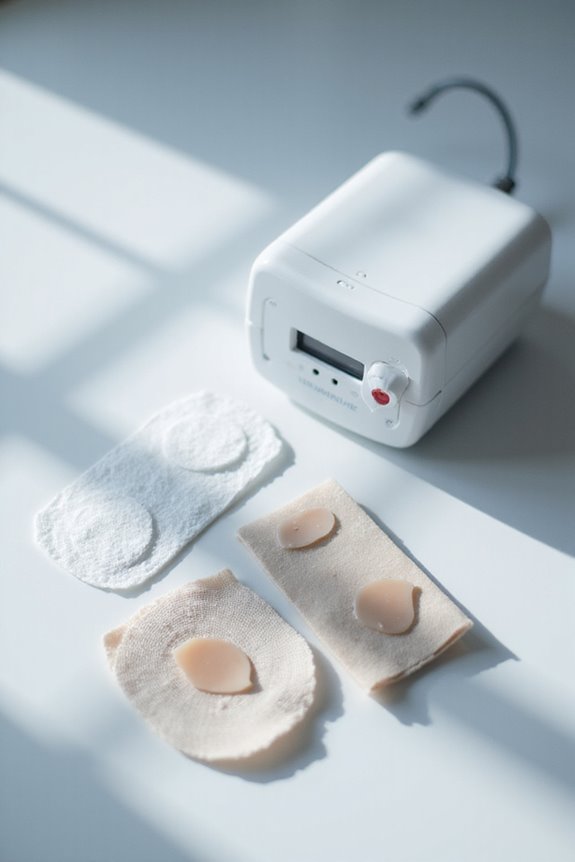
Absolutely, there are several devices available for wound care! These include electrical stimulation devices to boost circulation and enhance healing, as well as wearable tech for tracking wound progress. We’ve got negative pressure solutions that promote closure by creating a cleaner environment, alongside specialized dressings like silver and hydrocolloid types that help prevent infection. Each option plays a role in improving comfort and efficiency. Keep exploring to discover even more innovative solutions!
Key Takeaways
- Electrical stimulation devices enhance blood circulation and cellular activity, promoting faster wound healing.
- mHealth and wearable devices enable real-time, non-invasive wound monitoring, improving cleanliness and reducing healing times.
- Negative Pressure Wound Therapy (NPWT) accelerates wound closure and skin graft success by increasing blood flow and managing inflammation.
- Specialized dressings, such as silver and hydrocolloid, offer infection control and moisture retention for effective wound management.
- Innovative technologies, including AI and smart dressings, are personalizing treatment and improving wound care outcomes.
Overview of Wound Care Devices
You may be interested
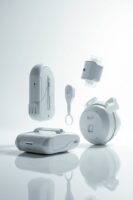

When it comes to managing wounds, we’ve got a variety of options that can cater to different needs and preferences. Device innovation has led to exciting advancements that support wound healing.
Electrical Stimulation Devices
- Battery-powered bandages deliver electrical stimulation, promoting blood circulation and cellular activity.
- They create a hostile environment for germs, which helps control infections effectively.
mHealth and Wearable Wound Care Devices
- Wearable patches emit ozone for antimicrobial benefits and provide real-time wound monitoring.
- These devices let healthcare providers receive data instantly, enabling personalized care.
With options like these, we can explore non-invasive solutions that may shorten healing times and keep wounds clean. Such advancements in wound care make healing more comfortable and accessible for everyone. Recent developments in mobile health technology are further revolutionizing patient care and tracking wound progress.
Types of Advanced Wound Care Materials
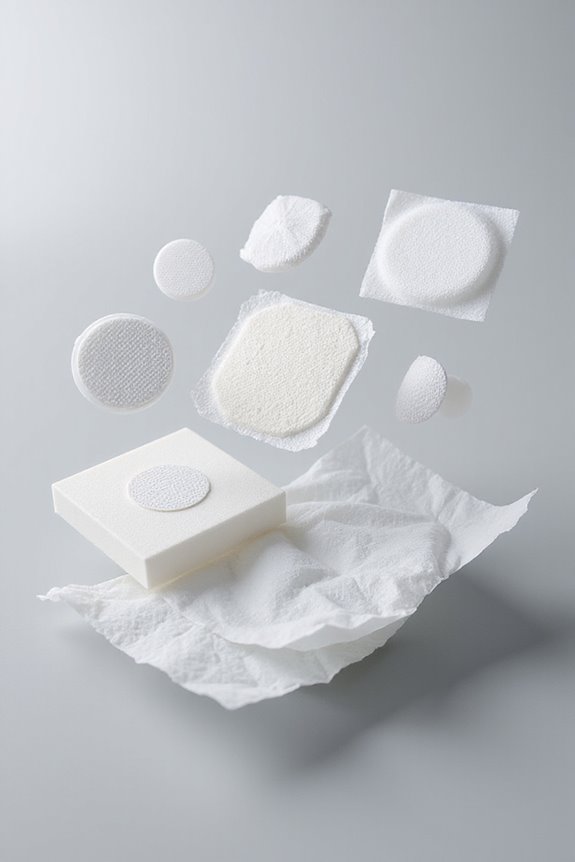
Wound care has advanced considerably, and the materials we use play a key role in encouraging good healing practices. Here’s a glance at some of the various advanced wound care materials:
- Alginate Dressings: Made from seaweed, these dressings are biodegradable and absorbent, perfect for moderate to heavy exudate.
- Hydrogel Dressings: Composed of about 90% water, they help keep wounds moist and cool, ideal for burns and dry wounds.
- Hydrocolloid Dressings: These create a protective barrier while allowing moisture retention, suitable for minor burns and pressure ulcers.
- Foam Dressings: Soft and absorbent, they’re great for deeper wounds, offering cushioning and protection.
- Transparent Film Dressings: Thin and waterproof, they allow for easy wound observation without removal.
Each has its unique benefits that enhance the healing process. Regular maintenance and cleaning of these materials ensures optimal performance and longevity.
Recommended Products
Absorbent, flexible bandage forms a gel-like covering over wound to maintain moist environment, assisting in the healing process and protecting the wound

HCPCS Code (PDAC-Verified): A6197 — Active Listing on DMECS (Centers for Medicare & Medicaid Services – CMS). Important for DME (Durable Medical Equipment) Providers: Facilitates claim submissions to the DME MACs.
![Dynarex DynaGinate AG Silver Calcium Alginate Dressing, Dressing for Advanced Wound Care, 4” x 8”, 10 Boxes of 5 AG Silver Calcium Alginate Dressings (Pack of 50) [Packaging May Vary]](https://m.media-amazon.com/images/I/41kJHp4QHjL._SL500_.jpg)
Used to manage minor and acute wounds from ulcers to donor sites
Benefits of Negative Pressure Wound Therapy
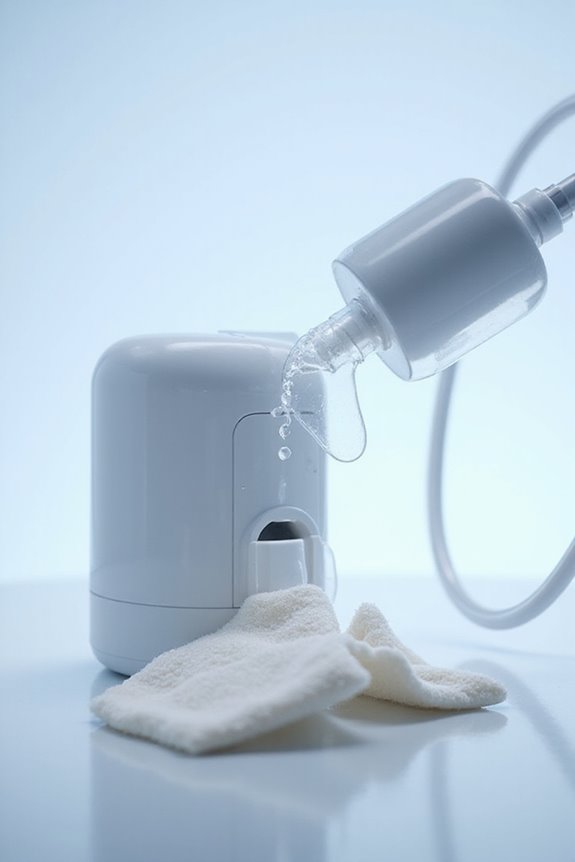
Negative Pressure Wound Therapy (NPWT) offers an innovative approach that can make a real difference in wound care. This method uses negative pressure to speed up wound healing by removing excess fluid and bacteria, creating a cleaner environment. Here are some key benefits:
- Faster Healing: NPWT promotes quicker wound closure, with studies showing up to 75% success in skin grafting.
- Increased Blood Flow: The therapy boosts blood perfusion by 4 to 5 times, enhancing oxygen delivery and promoting new blood vessel formation.
- Inflammation Control: It helps manage inflammation by regulating excess cells and exudate. Additionally, NPWT devices often incorporate advanced tracking features for real-time monitoring of healing progress.
Recommended Products
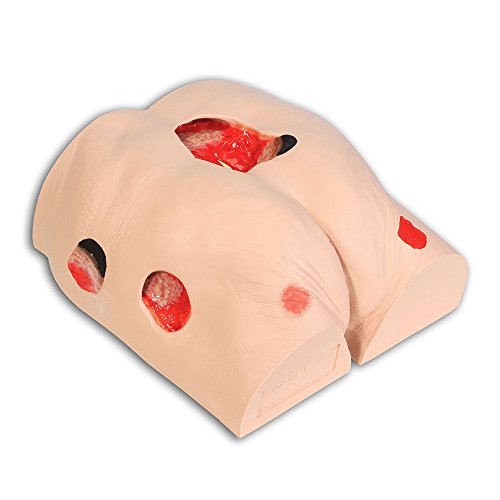
Seymour II Pressure Injury Trainer: Providing an accurate representation of various pressure injuries for comprehensive wound care education and certification training.

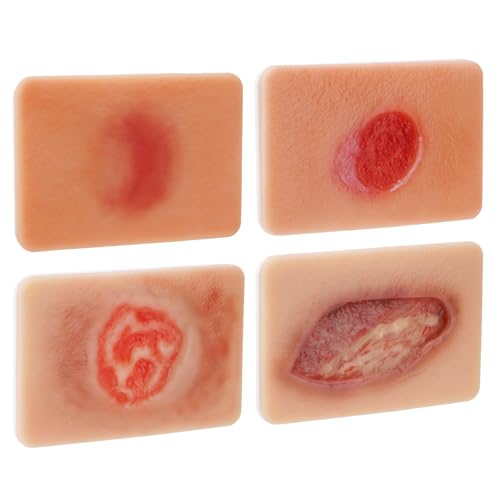
Completed 4-Stage Set: Includes 4 pressure ulcer models (Stages I–IV), clearly demonstrating the progression from Non-blanchable Redness to ExFull-Thickness Tissue Loss
Specialized Dressings for Infection Control
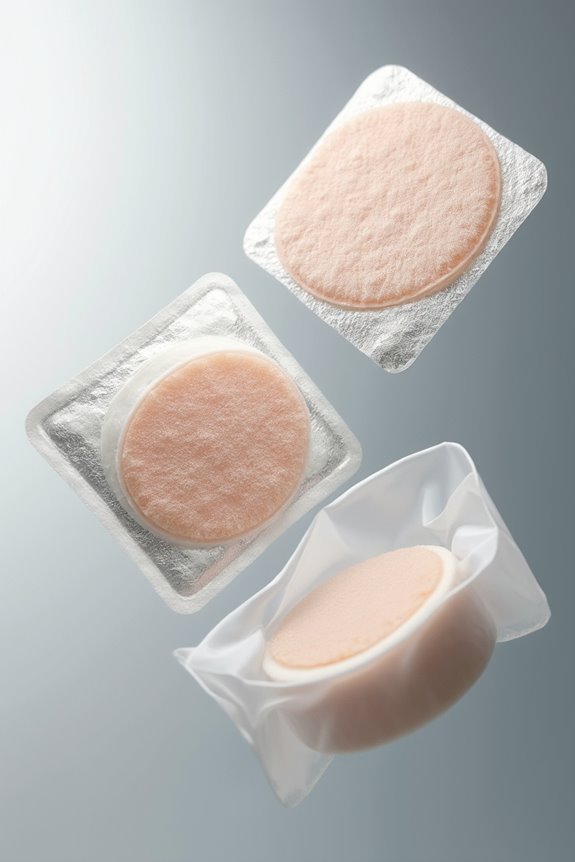
Specialized dressings for infection control are designed to tackle a common challenge in wound care. These dressings help manage environments that can foster infections and support healing effectively.
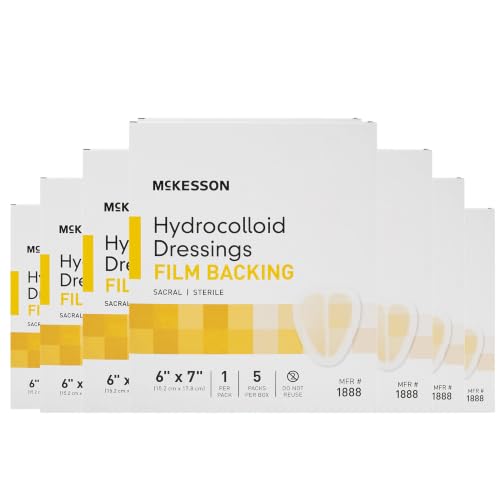
- Hydrocolloid dressings offer remarkable benefits; they form a gel-like barrier that keeps moisture in while blocking bacteria. They’re ideal for wounds with low to moderate exudate, like certain ulcers.
- Silver dressings bring powerful antimicrobial properties through silver ions, perfect for tackling infected wounds, such as diabetic foot ulcers or pressure sores.
Both dressing types enhance overall wound care, improving comfort and reducing the chance of infection. Using these specialized dressings makes a significant difference in maintaining clean, healing environments for wounds, ultimately making wound management easier for everyone involved. Additionally, these dressings can be incredibly beneficial for individuals using medical alert systems to ensure timely reactions to potential complications in wound care.
Recommended Products

SAFE GENTLE WOUND CARE is provided by ConvaTec's highly flexible extra thin control gel formula (CGF) sterile dressings, designed for use on dry to lightly exuding wounds. Helps skin to heal from the inside out. Easy to remove. Extended wear up to 7 days

CREATE A MOIST HEALING ENVIRONMENT with occlusive and waterproof hydrocolloid dressings that form a matrix over the wound providing a moist healing environment. Hydrocolloids effectively create an artificial scab, allowing the body to retain healing fluids

CREATE A MOIST HEALING ENVIRONMENT with our occlusive waterproof hydrocolloid dressings that form a matrix over wounds providing a moist healing environment. Hydrocolloids effectively create an artificial scab, allowing the body to retain healing fluids
Moisture Management Solutions in Wound Care
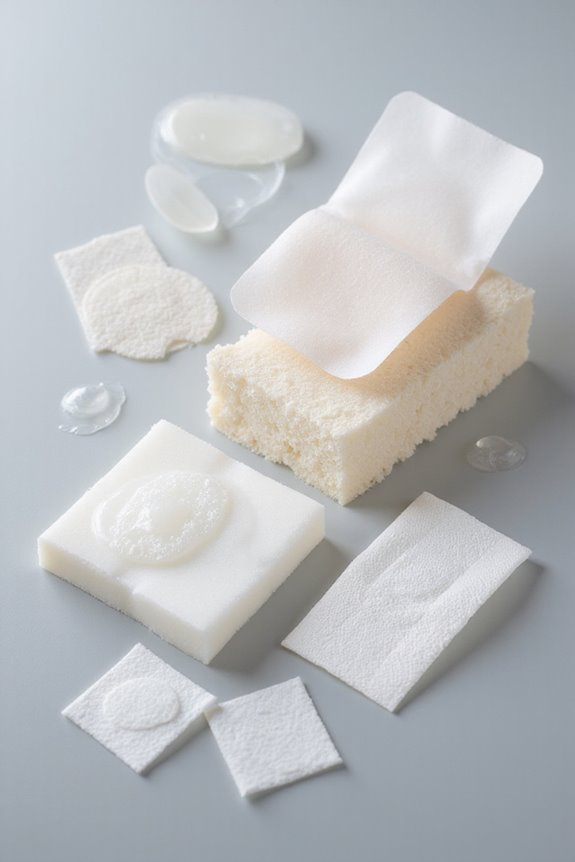
Moisture management is one of the most essential aspects of effective wound care. We’re excited to explore the latest moisture control innovations that are changing the landscape of wound management.
- Smart Moisture Sensors: These sensors are integrated into bandages, allowing real-time monitoring of moisture levels without removing the dressing.
- Hydrogel Dressings: Hydrogels keep wounds moist, delivering water directly to the wound bed while providing cool, soothing relief.
- Gas Flow Therapy: This emerging technology carefully adjusts moisture levels and can include additional treatments like oxygen.
- Super Absorbent Polymers: These dressings lock in fluids, managing moisture effectively to prevent skin irritation.
With sensor technology advancements, we can now focus on customized care, optimizing healing conditions for various wounds. Moreover, real-time monitoring can enhance device connectivity requirements, which is crucial for effective management in diverse healthcare settings.
Recommended Products

RELIABLE PROTECTION: Sterile, lightweight, thin film dressing designed for wound care and IV catheter coverage; Transparent and flexible for easy monitoring without removal; Conforms to body contours and flexes with movement for long-lasting wear, Latex-free
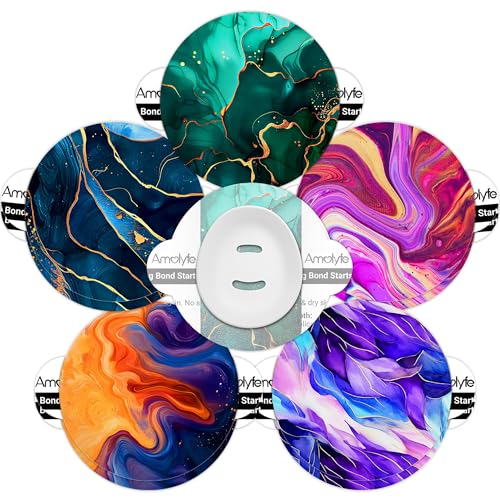
Protective Hardshell for Accuracy: Amolyfe's innovative cap acts as a physical shield, keeping adhesive away from the sensor to ensure precise readings. It effectively deflects impacts and secures your Dexcom G7 sensor against daily bumps and snags.

SELF-ADHESIVE the Detectaplast wound dressing set does not stick to the skin and hair but only to itself. This means that the bandaids can be removed comfortably without pain and adhesive residue.
Role of Non-Adherent Dressings
When it comes to wound care, non-adherent dressings play an essential role in enhancing comfort and promoting healing. These dressings bring several non adherent benefits, making them popular for various dressing applications. They protect sensitive areas like burns and surgical sites without sticking to the wound, minimizing pain during changes.
Some key features include:
- Pain Reduction: They cause less trauma compared to traditional options.
- Moisture Retention: These dressings support a moist environment for ideal healing.
- Barrier Protection: They help keep bacteria out, lowering infection risks.
Ideal for light to moderate exudate, non-adherent dressings keep the wound bed intact, improving patient comfort and compliance. By choosing them, we’re prioritizing a smoother healing journey.
Recommended Products

Provides a warm, moist healing environment to help prevent bacterial contamination, reduce pain and promote faster healing.


Importance of Selecting the Right Dressing
Selecting the right dressing for a wound can greatly impact the healing process, and it’s essential to take into account a few key factors.
First, we should consider the dressing types that correspond to our wound assessment. For lightly draining wounds, gauze or film dressings work well, while moderate to high exudate wounds benefit from foam or alginate options.
Secondly, the level of exudate informs our choice; hydrogels and hydrocolloids keep dry wounds hydrated. It’s also vital to think about skin sensitivity and allergies to pick materials that won’t cause irritation.
Lastly, we should remember that an appropriate dressing not only protects the wound but also reduces discomfort during changes, promoting a better overall healing experience.
Future Trends in Wound Care Technology
As we examine advancements in wound care, the emphasis on innovative technologies is increasingly evident. The future holds exciting trends:
- AI Advancements: Algorithms assess wounds and help customize treatment plans based on extensive data.
- Smart Dressings: Embedded sensors monitor factors like temperature and moisture, alerting users about potential issues.
- Telehealth Integration: Virtual assessments expand access for patients, especially those in remote areas.
- Regenerative Therapies: Techniques like stem cell therapy aim to accelerate healing and minimize scarring.
- Predictive Analytics: These tools analyze trends to forecast healing outcomes and adjust care as needed.
With these developments, we’re witnessing a transformative shift that makes wound care more efficient and personalized, paving the way for more effective healing experiences.
Frequently Asked Questions
How Do I Choose the Right Wound Care Device for My Needs?
As gardeners know, nurturing our wounds is essential. We must consider wound care types and device features, ensuring moisture, comfort, and compatibility, to cultivate healing and prevent complications in our personal gardens of recovery.
Are There Any Home Remedies That Can Complement Wound Care Devices?
We can definitely enhance wound care with herbal treatments and natural antiseptics. Combining remedies like aloe vera and honey with devices can optimize healing, ensuring we create the best environment for recovery and protection against infections.
What Is the Cost Range for Advanced Wound Care Devices?
When considering advanced wound care devices, it’s crucial we factor in costs. Device types vary, often costing between $3 for standard dressings to over $200 for more complex options, influencing our treatment choices considerably.
How Often Should Wound Dressings Be Changed Using These Devices?
When considering wound healing frequency, we must follow dressing change guidelines based on exudate, wound type, and patient needs. Let’s guarantee we’re adjusting our approach to promote effective healing and prevent complications.
Can Wound Care Devices Be Reused or Are They Single-Use Only?
We might wonder if wound care devices are reusable or if they’re strictly single-use. While some devices promise reusability, single-use devices often guarantee safer, infection-free healing. Choosing wisely is essential for best care.