As an Amazon Associate, we earn from qualifying purchases. Some links on this site are affiliate links at no extra cost to you. Our recommendations are based on thorough research and editorial judgment.

How Do I Choose A Fitness Tracker?

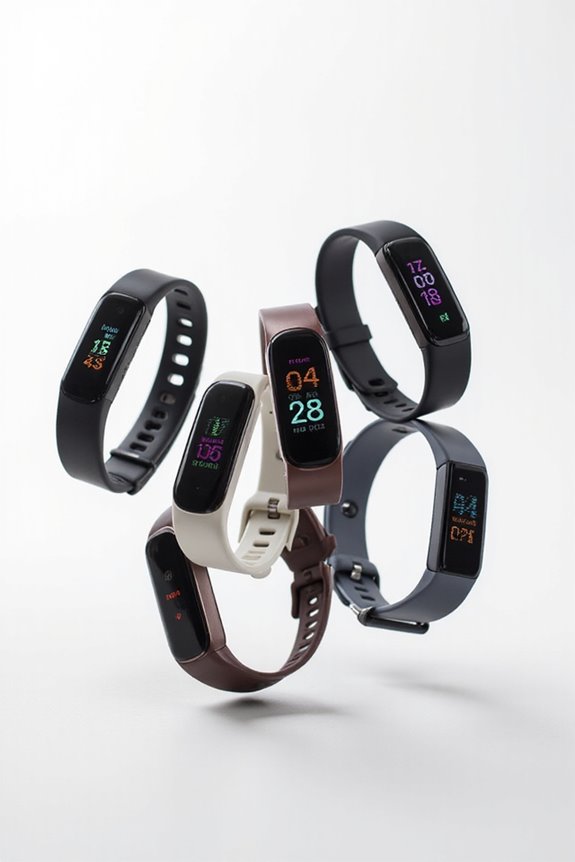
When choosing a fitness tracker, we should start by reflecting on the type that fits our lifestyle, like wristbands or clip-ons. Key features include battery life, waterproof ratings, and syncing with smartphones. It’s essential to look at performance metrics, especially heart rate accuracy and step counts. We also need to take into account our budget, with options ranging from under $50 to over $1,000. By focusing on these factors, we can find a tracker that fits our needs perfectly. There’s more to explore!
Key Takeaways
- Identify your primary fitness activities to choose a tracker suited for running, swimming, or gym workouts.
- Consider the desired features, such as heart rate monitoring, waterproof ratings, and connectivity options.
- Evaluate battery life needs; longer life is better for active individuals, especially with GPS use.
- Set a budget; basic models offer essential features, while mid-range options provide advanced capabilities.
- Ensure comfort and style to encourage all-day wear; select a tracker that matches your personal aesthetic.
Understanding Different Types of Fitness Trackers
You may be interested

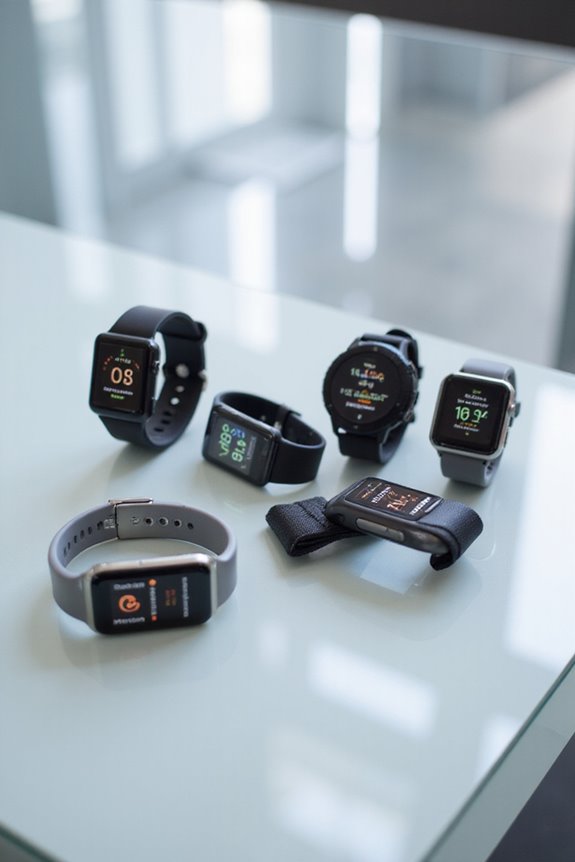
When we think about choosing a fitness tracker, it’s essential to understand the different types available to find one that suits our needs.
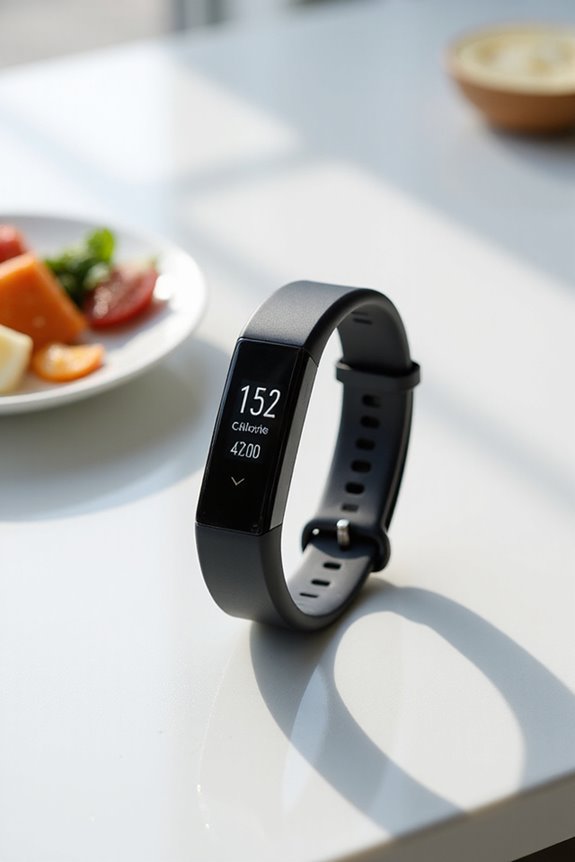
- Wristband Trackers: These are the most popular for everyday use and come with various smartwatch features.
- Clip-On Trackers: Offering versatility, these trackers attach to clothing or pockets for easy wear.
- Chest Monitors: These provide detailed heart rate information and are often preferred by athletes.
- Specialized Trackers: Discreet options like rings or earbuds focus on specific biometrics.
Connectivity Options vary, from Bluetooth syncing to WiFi capabilities. We should also consider battery life, as this can affect how often we need to recharge our devices. Health data accuracy is also crucial in making informed decisions about which tracker to choose, as it may vary by model. Understanding these different options helps us make informed choices.
Key Features to Consider When Buying
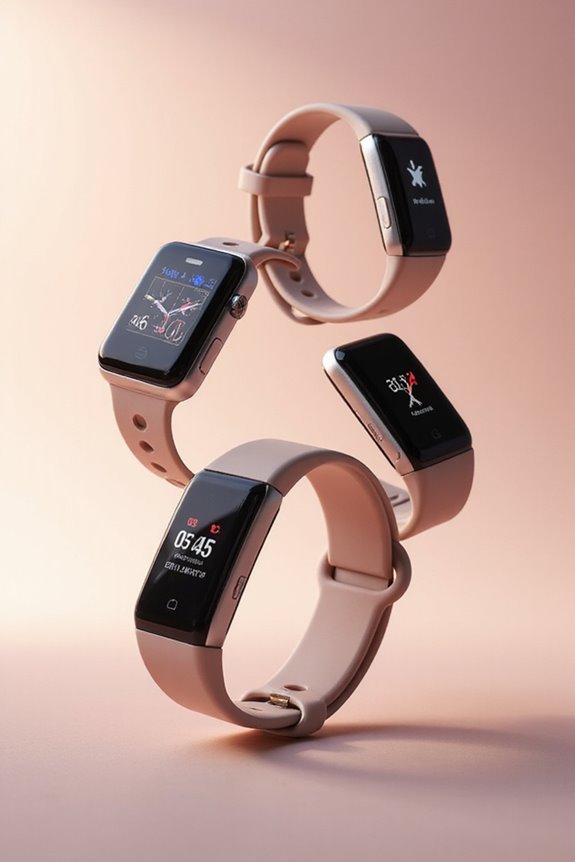
Choosing the right fitness tracker involves considering several key features that can enhance our experience and usability.
Battery Considerations
Battery life is vital, ranging from 5 to 12 days, depending on usage. Keep in mind that using GPS can drop battery life considerably—from 7 days down to just 5 hours. Fast charging options can also be a game-changer for convenience. Additionally, some models offer an impressive extended battery life that can last up to 60 days with regular use.
Durability Features
Look for waterproof ratings up to 50 meters, ideal for swimming. Durability features like scratch-resistant screens and robust casing are essential, especially if we’re active. A lightweight design enhances comfort during workouts.
Both battery and durability contribute greatly to how effectively a tracker serves our lifestyle, so it’s worth taking the time to shop wisely!
Performance Metrics and Accuracy
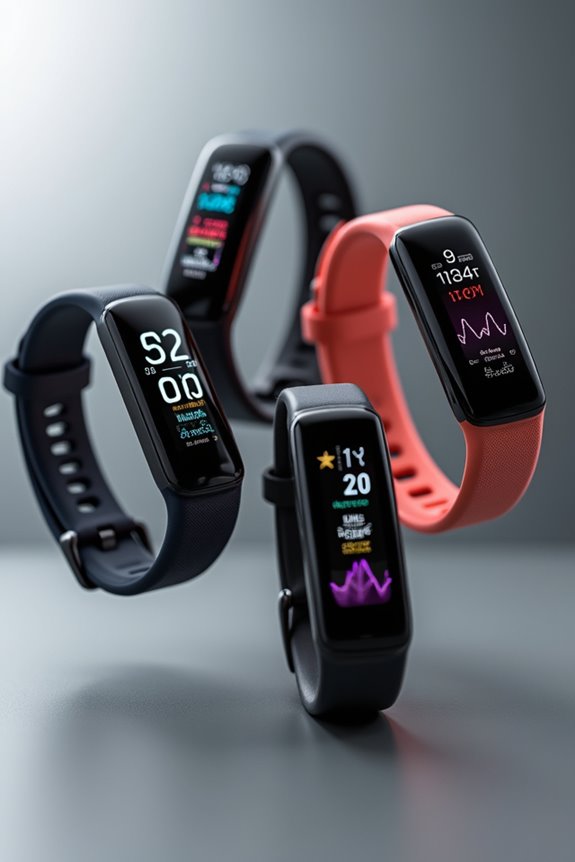
Performance metrics and accuracy play a significant role in how we evaluate fitness trackers. When it comes to heart rate accuracy, we’ve seen devices like the Apple Watch shine with around 86.31% accuracy, thanks to advanced optical sensors. That said, factors such as skin tone and movement can affect results.
On the flip side, step count variability presents more of a challenge; overall accuracy averages only 68.75%. Garmin tops the list here with about 82.58% accuracy, while some trackers can overcount by as much as 50%. So, knowing these differences can guide us in choosing a tracker that suits our specific needs, helping us make informed decisions for our fitness journeys. Additionally, the inclusion of high-precision sensors in various trackers enhances the reliability of health metrics, ensuring better performance in monitoring activities.
Budgeting for Your Fitness Tracker

Budgeting for a fitness tracker can feel overwhelming, especially since the price range varies considerably based on features and brand reputation. Here’s what we should consider:
- Price Range: Basic models start under $50, while premium options can exceed $1,000.
- Budget Allocation: Decide how much we want to spend—entry-level devices cover basics, while mid-range models offer more features.
- Replacement Costs: Don’t forget about ongoing expenses—replacement bands, battery replacements, and accessories add up.
- Long-Term Costs: Some trackers may have subscription fees for advanced analytics. Additionally, consider the potential advantages of features like water resistance ratings that may impact your purchase decision.
Finding the Right Fit for Your Lifestyle
How do we guarantee our fitness tracker aligns with our daily lives? First, we need to think about our activity preferences. Do we run regularly, swim, or hit the gym? Understanding what we do most often helps us narrow down the tracker that fits those activities.
Next, let’s consider lifestyle compatibility. If we plan to wear our tracker all day, comfort and durability are key. We should also check if it matches our style and if it’s water-resistant for things like swimming.
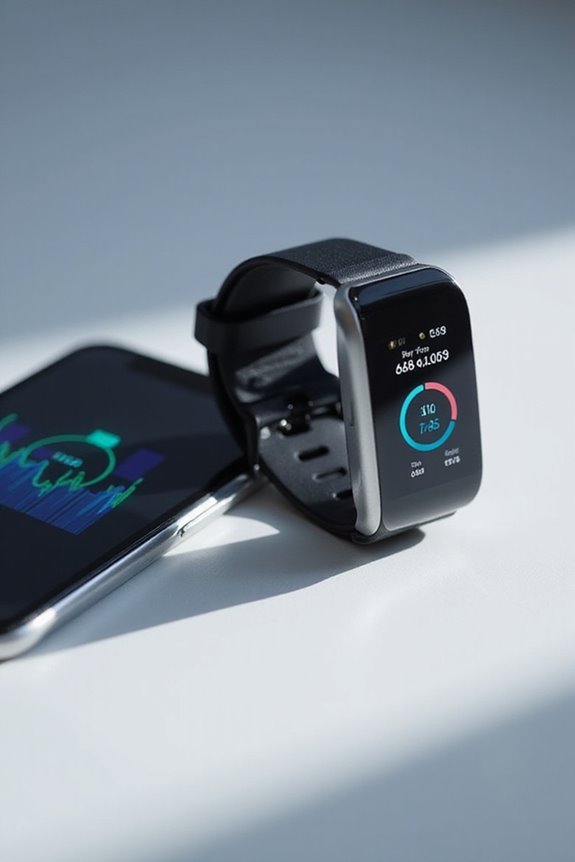
Lastly, let’s make sure it syncs well with our smartphones and provides the data we need, such as calorie counts or heart rate, enhancing our everyday fitness experience. Finding a tracker with built-in GPS can improve the accuracy of our activity monitoring.
Frequently Asked Questions
Can Fitness Trackers Help Improve My Motivation to Exercise?
Yes, fitness trackers can boost our motivation to exercise. By setting personalized goals and receiving feedback, we enhance our exercise habits and stay engaged. It’s about using smart motivation techniques to keep us moving consistently.
How Do I Properly Maintain and Clean My Fitness Tracker?
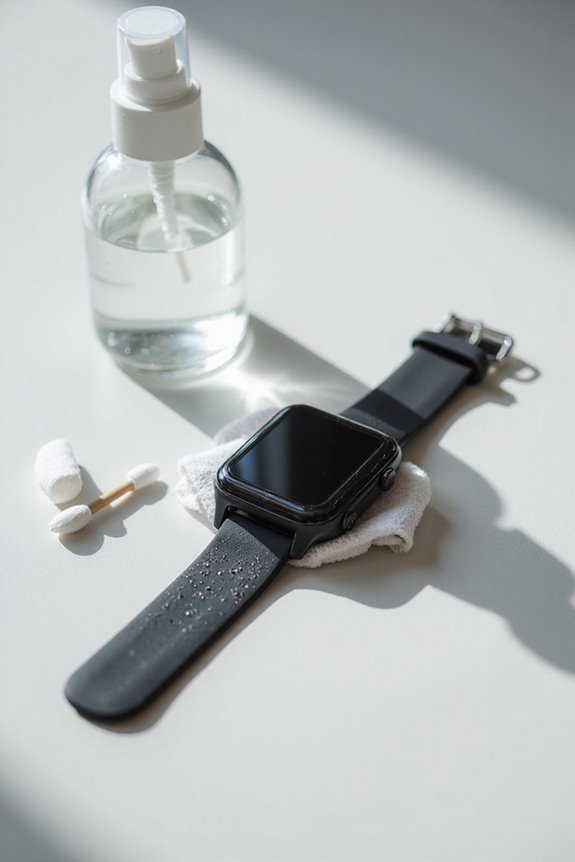
We’ve all wondered how to keep our fitness trackers in top shape. By using simple cleaning techniques and following smart maintenance tips, we can guarantee our devices last longer and perform better every day.
Do Fitness Trackers Work Without a Smartphone?
Yes, fitness trackers can work without a smartphone due to their standalone functionality. We should consider device compatibility, as some models excel in basic tracking while others require a phone for advanced features.
Are Fitness Trackers Waterproof for Swimming?
Did you know that many fitness trackers are rated to withstand depths of 50 meters? With the right water resistance levels, they can track essential swimming metrics, ensuring we monitor our performance without any worries while swimming.
How Often Should I Update My Fitness Tracker?
We should update our fitness tracker every 3 to 4 months, ensuring ideal performance. Regular syncing with our devices keeps data accurate, but timely software updates are essential for the best functionality and user experience.