As an Amazon Associate, we earn from qualifying purchases. Some links on this site are affiliate links at no extra cost to you. Our recommendations are based on thorough research and editorial judgment.


Do Fitness Trackers Work With Android/iOS?

Yes, fitness trackers work with both Android and iOS devices. Most popular brands, like Garmin and Fitbit, provide friendly compatibility, allowing us to easily sync our data. We can enjoy features such as heart rate monitoring, GPS tracking, and sleep analysis. Apps like Garmin Connect or Google Fit help us get insights across platforms. However, some limitations exist, like inconsistent data sync. Stick with us, and you’ll discover more about choosing the right tracker for your device.
Key Takeaways
- Popular fitness trackers like Garmin Venu 2 and Fitbit Charge 6 support both Android and iOS devices for broad compatibility.
- Apple Watch requires an iPhone, limiting its use for Android users seeking fitness tracking options.
- Companion apps like Garmin Connect and Google Fit facilitate synchronization and access to health metrics across devices.
- iOS typically provides a smoother user interface, while Android allows for greater customization in fitness tracking apps.
- Synchronization challenges may arise between platforms, potentially affecting data consistency and feature availability.
Compatibility of Fitness Trackers With Different Platforms
You may be interested


When we think about compatibility, it’s important to know how fitness trackers interact with different platforms. Many popular devices like the Garmin Venu 2 and Fitbit Charge 6 support both Android and iOS, ensuring versatile fitness tracker compatibility. However, some models, like the Apple Watch, exclusively require iPhones, limiting their use for Android users.
We should also consider platform synchronization; fitness trackers need companion apps, such as Garmin Connect or Google Fit, which are available across systems. Samsung and Huawei watches, for example, function best with their native Android devices. Ultimately, while most fitness trackers offer robust cross-platform features, there’s variation in functionality depending on the paired device. Being aware of these differences helps us make informed choices. Moreover, it’s crucial to check compatibility with smartphone operating systems to ensure optimal performance of your fitness tracker.
Recommended Products

CYCLING FOMR INTELLIGENCE IN REAL TIME - Track torso angle, riding form, and position changes while you ride, so you can understand how your body moves indoors, outdoors, and under fatigue.

[Sleep Apnea Monitoring] RingConn Gen 2 Smart Ring supports sleep health with advanced technology. Developed with leading universities and hospitals, this AI-powered ring accurately tracks sleep apnea. Unlike traditional devices, it's lightweight and comfortable, offering multi-day monitoring with real-time AHI data and personalized insights via a dedicated app for easy sleep health management
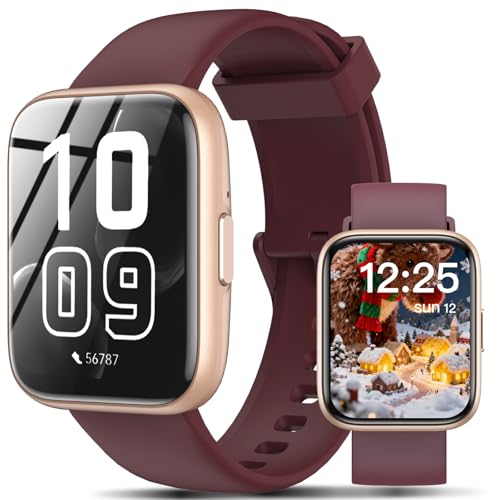
CLEAR & STEADY BLUETOOTH CALLS — Intelligent noise-canceling smartwatch algorithms allow you to make clear and audible calls, eliminating background noise. Because the Ultra Seamless Bluetooth v5.3 talk chip provides a single, reliable connection, it reduces battery consumption and long standby time, keeps you permanently connected to the outside world, and provides a greater range of connectivity.
Key Features Supporting Both OS

Fitness trackers excel in offering key features that cater to both Android and iOS users, making it easier for us to stay on top of our health and fitness goals. Here’s what we can expect:
- Health Metrics: Continuous heart rate monitoring, sleep tracking, and blood oxygen levels are accessible across platforms.
- Activity Tracking: With features like workout mode support, GPS tracking, and automatic activity detection, keeping track of our fitness routines is straightforward.
- User Preferences: Personalization options like customizable displays and guided breathing enhance our experience.
- Battery Life: Long-lasting batteries and dual display tech mean we won’t frequently recharge.
- App Integration: Companion apps sync seamlessly for insights into our workouts and health trends, regardless of our chosen device. Additionally, many models offer sports mode variety to cater to diverse fitness activities.
These features truly enhance how we manage our fitness journeys.
Recommended Products

Precise Fit, Measure First: OraMemo adopts a proprietary sizing system, distinct from standard ring sizes. Pair your OraMemo Smart Ring with our OraMemo Smart Sizing Kit to measure your finger accurately, ensuring a comfortable and secure fit-no more "too loose" or "too tight" hassles

【Fingertip Convenience】 Comprehensive daily health tracking All essential vital and activity metrics are covered: continuous heart rate, step counter, calories, sleep stages, blood oxygen (SpO2) and stress/HRV insights. This compact smart ring gives smartwatch-level data in a minimal form factor so you can monitor wellness without a bulky band

1. Your Family's Command Center: Sync Everyone's Schedules at a Glance "Never double-book appointments again! Auto-syncs with Google Calendar, Outlook & iCloud so Johnny’s soccer, your Zoom meetings, and Mom’s doctor visits show up in real-time."
User Experience Across Devices

User experience can vary considerably between Android and iOS when using fitness trackers.
- User Interface: iOS apps generally present a cleaner, more polished user interface, enhancing user engagement. We often find the onboarding process smoother compared to Android options.
- Interaction Design: While Android apps provide more customization choices, they sometimes lack the seamless flow that iOS users enjoy.
- Data Synchronization: Synchronization tends to be faster on iOS; Android users may encounter occasional delays in data updates, impacting real-time tracking.
- Engagement Levels: Both ecosystems support manual data input, but advanced features are usually more robust on native platforms. Additionally, the ability to sync with both Android and iOS devices allows users to maintain their preferred ecosystem without losing functionality.
Limitations of Cross-Platform Functionality
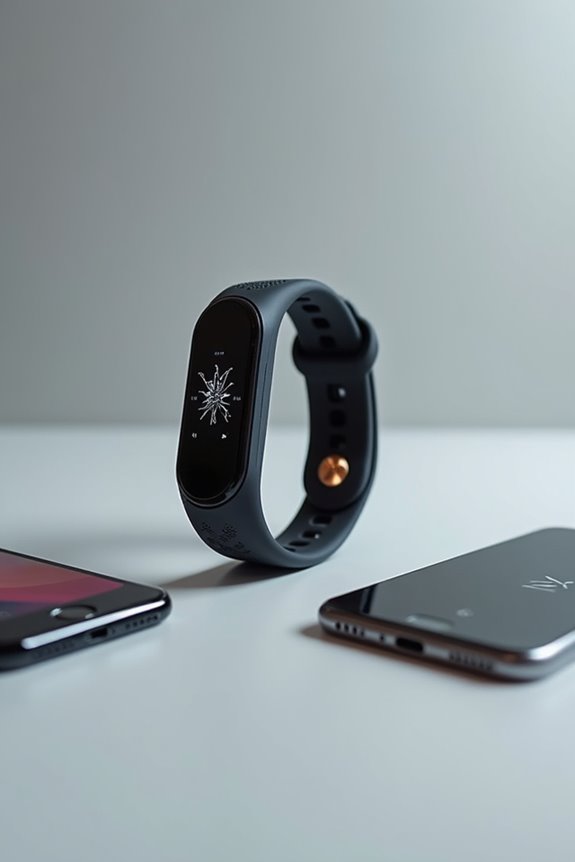
Cross-platform functionality in fitness trackers can be both a blessing and a challenge, as we endeavor for seamless integration across various devices and operating systems. While these devices offer us exciting features, we often encounter cross-platform limitations.
– Synchronization Challenges:
Achieving consistent data across different platforms isn’t always simple.
- Variability in hardware and operating systems can lead to sync conflicts.
- Issues like data loss can arise with certain device combinations.
- Offline syncing methods, like Bluetooth transfers, require specialized technology.
- Compatibility Issues:
Not all features work uniformly across platforms.
- Unique hardware capabilities must be leveraged individually.
- iOS restrictions can hinder feature availability compared to Android.
- Furthermore, both Fitbit and Garmin devices are known for their robust athletic metrics that might not be fully realized if compatibility issues arise.
Understanding these challenges helps us navigate the intricacies of using fitness trackers with different devices.
Recommended Products

Precise Fit, Measure First: OraMemo adopts a proprietary sizing system, distinct from standard ring sizes. Pair your OraMemo Smart Ring with our OraMemo Smart Sizing Kit to measure your finger accurately, ensuring a comfortable and secure fit-no more "too loose" or "too tight" hassles

【Route Navigation】The BSC200S cycle computer can create route on official iGPSPORT app, or import third-party platform routes, such as Strava, ride with GPS, Komoot.You can also customize the route navigation color module.

CONFIGURE TO YOUR TRAINING GOALS - The AeroFlex workout step platform offers 4 workout configurations for stretching, strength training, balance, and aerobic exercises. Achieve ultimate control over your sessions with this versatile exercise stepper.
Popular Fitness Tracker Brands

When searching for the right fitness tracker, it can feel overwhelming with so many options available. Let’s take a look at some popular brands to help in our decision.
Fitbit remains a favorite for casual users, offering the Charge 6 and Inspire 3, known for their tracking simplicity and comfort.
Garmin excels for athletes, with models like Vivoactive 6 and Forerunner 965 providing advanced metrics and GPS.
Samsung’s Galaxy Fit3 lies in the affordable range, integrating essential tracking with a lightweight design.
Amazfit appeals to budget-conscious consumers with models like Band 7, delivering good battery life and solid tracking features.
Lastly, the Apple Watch Series 9 offers exceptional features for iOS users, although at a premium price. Keeping brand comparisons in mind helps us follow market trends effectively. Additionally, Apple devices ensure seamless compatibility with iOS devices, enhancing the overall user experience.
Recommended Products
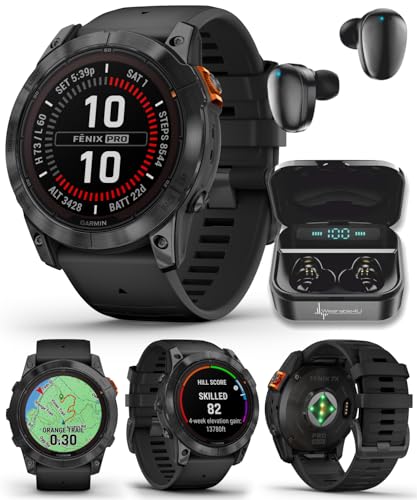
IN THE BOX: 1x Garmin fenix 7X Pro – Solar Edition (not enabled with Wi-Fi connectivity), 1x USB-C charging/data cable, 1x Wearable4UBlack EarBuds, 1x microUSB cable

Advanced tactical GPS smartwatch features a 1.4” solar charged display, titanium bezel and sapphire lens and built-in LED flashlight for after-dark visibility

Bundle Includes: Garmin Descent Mk2i, Watch-Style Dive Computer with Air Integration, Multisport Training/Smart Features, Titanium Carbon Gray DLC with Black Band + USB3.0 to type-c female adapter + USB Wall Charger White Cube + Microfiber Cleaning Cloth
Future Trends in Fitness Tracking
As the fitness tracking technology landscape evolves, we can expect an exciting array of innovations shaping our experience. Here are some key trends to watch:
- AI Advancements: Generative AI is turning fitness trackers into virtual health coaches, providing personalized feedback and real-time adjustments to our workouts.
- Sensor Innovations: New sensors can monitor metrics like heart rate variability and blood oxygen levels, delivering more accurate data for a holistic view of our health.
- Health Personalization: Tailored workout plans based on AI insights are making it easier to achieve our fitness goals.
- Market Growth: The wearable market is set to reach $3.8 billion by 2026, highlighting increasing user interest.
- Privacy Concerns: Manufacturers must prioritize data security to build trust as we enjoy these advancements in various wearable formats.
Choosing the Right Tracker for Your Device
Choosing the right fitness tracker for our devices can feel overwhelming, can’t it? With so many options out there, it’s crucial to focus on tracker selection based on our device preferences.
- Device Compatibility: Most fitness trackers support both Android and iOS, but features can vary. For instance, the Apple Watch Series 10 works best with iOS, while other brands like Garmin offer broader OS support.
- Features: Core metrics like steps and heart rate are universally tracked, but advanced features might be optimized for one platform.
- User Experience: The companion apps are essential, and while both platforms have good options, iOS apps usually have a more polished interface.
Ultimately, confirming compatibility guarantees we maximize our fitness tracker’s potential.
Recommended Products

【 FoMaKo 4K PTZ Camera 】. Supports HDMI 2.0 interface and Output HDMI 4K 30fps, 1080P 60fps Uncompressed Ultra High Definition Video. UHD HD Video Resolution: Resolution is up to 3840x2160 with frame rateup to 30fps. 1/2.8 inch high quality CMOS sensor, 8.42MP Effective Pixels. Made for Church Live Services, house of Worship, Teaching and Education, Broadcast, High-Tech Conference, Summit Forum, Events. PoE supported.

Advanced, watch-style dive computer with 1.4” color sunlight-readable display (36% larger than previous model) in an elegant yet rugged design

【 FoMaKo 4K PTZ Bundle Deal .】Save hundreds compared to buying items individually. The kit includes: 3pcs FoMaKo K20UH 4K PTZ Camera (NDI HX3 Certified) and one FoMaKo KC608 Pro NDI PTZ Controller (4D Joystick + LCD). Operating tip: You can simultaneously control Pan, Tilt, and Zoom while ensuring consistently high-definition and fluid video output.
Frequently Asked Questions
Do Fitness Trackers Work Without a Smartphone Connection?
Fitness trackers can function independently to an extent, allowing us basic activity tracking without a smartphone connection. However, for full features and insights, we may want to explore smartphone alternatives to enhance our experience.
How Long Do Battery Life and Charging Take for Fitness Trackers?
When considering battery longevity, we’ve found that fitness trackers vary widely. Charging methods can also differ, with some offering fast charging while others rely on longer cycles. Testing these options helps us find the best fit!
Can Fitness Trackers Be Used for Swimming and Water Sports?
Yes, we can definitely use fitness trackers for swimming and water sports. With high waterproof ratings and impressive swimming capabilities, they track our performance reliably, making them essential tools for aquatic fitness enthusiasts like us.
Are Fitness Tracker Features the Same Across All Brands?
While comparing brands, we’ll see significant feature differences among fitness trackers. Some offer advanced capabilities like built-in GPS or health coaching, making it essential to evaluate each brand’s unique offerings to find what suits us best.
Can Fitness Trackers Monitor Stress Levels and Other Health Metrics?
Absolutely, we can’t believe how these fitness trackers are our personal stress monitoring detectives, revealing health metrics that spill secrets about our body! They track heart rates, sleep, and more, helping us master our wellness journey together!