As an Amazon Associate, we earn from qualifying purchases. Some links on this site are affiliate links at no extra cost to you. Our recommendations are based on thorough research and editorial judgment.


Can Supplements Cause Diarrhea?

Yes, supplements can sometimes cause diarrhea. This often happens due to high doses or ingredients that irritate our digestive system. Common culprits include vitamin C, magnesium, and various herbal supplements. It’s crucial to manage the dosage, as smaller amounts may help reduce side effects. Taking them with food can also ease irritation. If we’re aware of how our body reacts to specific supplements, we can find the right balance. Learn more about strategies to minimize these effects.
Key Takeaways
- High doses of supplements, such as Vitamin C and magnesium, can lead to diarrhea by drawing water into the intestines or stimulating bowel movements.
- Certain supplements, like aloe vera and zinc, may irritate the gastrointestinal lining, increasing the likelihood of diarrhea.
- Individual sensitivity and genetic variability can affect how well one tolerates different supplements, potentially causing gastrointestinal upset.
- Taking supplements in high doses without food increases irritation; smaller, divided doses with meals help mitigate digestive issues.
- Maintaining hydration supports overall gut health and can reduce the risk of diarrhea due to supplement intake.
Understanding Diarrhea and Its Causes
You may be interested



Diarrhea can be an uncomfortable topic, but understanding it can really help us navigate our health better. Diarrhea is defined by frequent loose, watery stools, often seen three or more times a day. It can be acute, lasting a day or two, or chronic, persisting for four weeks or longer. We should be aware of various diarrhea symptoms that might accompany it, including nausea, vomiting, and abdominal cramping.
Common causes include viral gastroenteritis, bacterial infections, and food poisoning. Additionally, noninfectious factors like food intolerances or digestive disorders can also lead to diarrhea. Recognizing these causes is key for us in managing our health effectively. Regular intake of probiotics can also help maintain gut balance and reduce the risk of digestive disturbances like diarrhea. By understanding diarrhea definitions and symptoms, we can better navigate our well-being.
Common Supplements Linked to Diarrhea

When we take supplements, we might not realize that some of them could lead to loose stools as a side effect. Here are a few common ones:
- Aloe Vera: Known for its laxative effects, high doses can stimulate bowel movements and irritate the gastrointestinal lining.
- Omega-3 Fatty Acids: Excess consumption may disrupt digestion, promoting a slippery stool texture, leading to diarrhea.
- Vitamin C: Large doses can draw water into the intestines, causing osmotic diarrhea.
- Zinc Supplements: High amounts may irritate the gut and interfere with mineral absorption, leading to loose stools.
- B Complex Vitamins: Especially niacin can increase intestinal motility, contributing to gastrointestinal irritation.
Additionally, monitoring for adverse effects is important when combining products, as this may help mitigate gastrointestinal issues. Paying attention to dosages can help minimize these side effects!
Recommended Products

GLP-1 Specific Formulation: Relesium GLP-1 Digestive Support is formulated with science-backed ingredients. It specifically addresses side effects associated with GLP-1...
The Role of Magnesium in Digestive Health

Magnesium plays an essential role in our digestive health, influencing various processes that help maintain balance in our bodies. It aids intestinal motility by regulating muscle contractions, promoting regular bowel movements. When we consume adequate magnesium sources, like nuts, seeds, and leafy greens, we help draw water into the intestines, softening stool and easing its passage.
Magnesium benefits our digestion by activating enzymes that break down food and support nutrient absorption. Additionally, it can improve gut microbiota diversity, which is crucial for overall gut health. However, a magnesium imbalance may lead to digestive issues, like cramps or diarrhea. Therefore, it’s important to maintain healthy magnesium levels to enjoy the full benefits for our digestive system. In some supplements, including Blood Sugar Complex, the presence of magnesium can enhance digestive comfort and overall effectiveness.
Recommended Products

✅ HIGH QUALITY: Registered by Vegan Society, our vegetarian capsules are manufactured and packaged in state-of-the-art cGMP certified facilities meeting all health compliance requirements. K-CAPS contain low (4% to 10%) moisture content, disintegrate within 15-minutes.

Versatile Cell Salt Kit: The Classic Tissue Cell Salt Kit offers all 12 Schuessler Cell Salts, providing a broad selection of essential minerals for various potential uses. Whether for general wellness or other purposes, this kit covers your needs.

Ingredients: Broccoli extract 230mg, Ginger extract 200mg, Magnesium 34mg, Copper Citrate 0.4mg, Zinc Gluconate 1.4mg, Vitamin A 3000IU
Vitamins and Their Impact on Gut Function

Vitamins play an essential role in our gut function, providing support that can enhance our overall digestive health.
- Vitamin A boosts the abundance of beneficial bacteria in our gut, helping maintain microbial diversity. This can lead to better gastrointestinal function and inflammation reduction.
- Vitamin D also contributes by increasing microbial diversity, affecting metabolic pathways related to nutrient absorption.
- B vitamins, produced by our gut microbiome, are crucial for both bacteria and host metabolism. They depend on dietary fibers to thrive, which supports their availability. Additionally, dietary changes can significantly support liver health, as emphasized in various liver health resources.
Recommended Products


✔️ANTIOXIDANT BOOSTER FOR IMMUNITY: Black Elderberry Powder is rich in flavonoids and has a potent antioxidant effect.

Electrolytes: Balancing Benefits and Risks

Electrolytes are essential to our body’s function, and understanding their balance is more important than ever. While they play a vital role in keeping us hydrated and aiding muscle function, we should be mindful of the risks associated with supplementation.
- Electrolyte Balance is Key: Excessive intake of sodium or magnesium can lead to diarrhea by drawing water into the intestines.
- Supplementation Risks: High doses of magnesium supplements are particularly notorious for causing digestive issues.
- Gastrointestinal Sensitivity: Some supplements contain additives that can irritate our stomachs.
- Probiotic Strains Matter: Certain probiotic strain diversity in multivitamins can enhance gut health and may help mitigate gastrointestinal discomfort.
In many cases, those who eat a balanced diet might not need extra electrolytes. Always weigh the benefits against the potential for adverse effects, especially if we’re active or dealing with illness.
Recommended Products

𝗔𝗹𝗹-𝗶𝗻-𝗢𝗻𝗲 𝗥𝗲𝘃𝗲𝗿𝘀𝗲 𝗢𝘀𝗺𝗼𝘀𝗶𝘀 𝗦𝘆𝘀𝘁𝗲𝗺, 𝗦𝗺𝗮𝗿𝘁 & 𝗠𝗶𝗻𝗲𝗿𝗮𝗹𝗶𝘇𝗲𝗱: This modern all-in-one reverse osmosis water filter system combines advanced RO purification, built-in remineralization, and smart WiFi monitoring in a single under-sink RO system. Designed to deliver clean, great-tasting water with added essential minerals while giving you real-time system visibility through your phone, it offers a convenient, space-saving, and cost-effective solution for everyday drinking water needs.

Instant Organic Coconut Water Powder - Just Add Water to Create Refreshing Organic Coconut Water

Premium Quality: Chuga's shilajit is harvested in India from the Himalayan mountain range. It is gathered at 16,000+ feet, making it Grade A shilajit. The fulvic and humic acid content within shilajit increases in relation to the height it is harvested from. This makes our shilajit extremely potent and nutrient dense compared to most shilajit that is harvested at 4,000-6,000 feet.
Dietary Fiber: Its Complex Relationship With Diarrhea
How does dietary fiber affect our digestive health, specifically when it comes to diarrhea? The impact of fiber types on bowel function can be significant. Soluble fibers, like psyllium, can form gels that help normalize stool consistency and reduce diarrhea. In contrast, insoluble fibers may increase stool frequency, worsening diarrhea for some of us. Fiber sources, such as whole grains and legumes, deliver numerous fiber benefits, especially when suggesting fiber recommendations of 25-35 grams daily. Additionally, fiber fermentation in the gut can create short-chain fatty acids, enhancing gut health. Mixed fiber supplements that combine various fiber types are also effective in managing diarrhea, showing the importance of fiber composition in our diets. Adjusting fiber intake is essential for our digestive balance.
Dosage and Formulation: Key Factors in Supplement Safety
When we think about supplement safety, dosage and formulation play an essential role in our experience and overall satisfaction.
- Dosage Considerations: High doses of certain supplements, like magnesium or vitamin C, can lead to diarrhea. Dividing larger doses into smaller amounts throughout the day helps minimize gastrointestinal irritation. Taking supplements with food may also buffer the gut, reducing risks.
- Formulation Impact: The chemical form of a supplement matters. For example, magnesium gluconate is gentler on the stomach than magnesium oxide. Higher solubility forms can increase the chance of diarrhea.
Recommended Products

✔️ Get the Potassium You Need: Potassium is an important mineral that our bodies need for a variety of reasons. And, our potassium gluconate powder, or potassium powder and potassium supplement. Plus our Potassium Gluconate, a potassium electrolyte powder, with 84mg of potassium, in your diet today!

Heart Health Supplements: This magnesium glycinate capsule activates the enzymes necessary for neuromuscular contractions, cardiac function, and more*
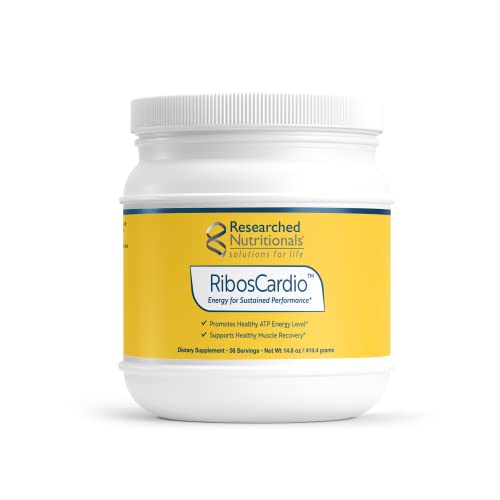
Optimize Energy Production - A potent D ribose powder blend with an Acetyl L-carnitine (supports heart & brain health) and l carnitine supplement (transports fuel into the heart to be burned as energy), plus malic acid, and magnesium gluconate to optimize energy production and synthesis.*"
Individual Sensitivity to Supplements
Understanding our individual sensitivity to supplements can help us navigate the world of dietary aids more effectively.
- Genetic Variability: Our unique genetics can change how well we absorb and tolerate supplements, affecting our gut response.
- Microbiome Composition: Differences in gut bacteria can influence how supplements like probiotics work, sometimes causing unwanted effects like diarrhea.
- Age Factors: As we age, our digestive processes slow down, and this can make us more sensitive to certain supplements.
- Body Sensitivity: Pre-existing conditions, like IBS, can heighten our reactions to typical supplement ingredients.
- Enzyme Activity: Reduced enzyme production can lead to unpleasant side effects with specific products.
Being aware of these factors helps us choose supplements that suit our bodies better and avoid digestive distress.
Mitigating Gastrointestinal Side Effects of Supplements
Mitigating gastrointestinal side effects of supplements can feel like a puzzle, but with the right strategies, we can navigate it more smoothly. Here are some helpful tips:
- Dose Titration: Start with a low dose and gradually increase it. This approach helps our gut adapt without causing upset.
- Timing Matters: Taking supplements with food often lessens irritation. Dividing doses can also be beneficial.
- Choose Wisely: Selecting probiotic strains known for their gut tolerance can reduce discomfort. Avoid products with irritating additives.
- Pair with Prebiotics: These can boost beneficial microbes over time, easing symptoms.
- Stay Hydrated: Keeping our body hydrated supports digestion and helps prevent diarrhea.
Frequently Asked Questions
Can Certain Combinations of Supplements Worsen Diarrhea Symptoms?
Like a storm brewing, supplement interactions can indeed worsen diarrhea symptoms. We should be mindful of dosage sensitivity; mixing certain supplements may amplify side effects, leading us to discomfort we weren’t prepared for.
How Do Dietary Habits Affect Supplement-Related Diarrhea Risk?
When we consider dietary habits, we find that increasing our dietary fiber and maintaining hydration levels can greatly reduce supplement-related diarrhea risk. A balanced approach to nutrition supports our gut health and overall well-being.
Are There Specific Populations More Prone to Supplement-Induced Diarrhea?
Certain populations, including elderly individuals, pregnant women, children, adolescents, and athletes or bodybuilders, face higher risks of supplement-induced diarrhea due to age-related factors, hormonal changes, and strenuous physical demands. We’ve got to be cautious!
Can the Timing of Supplement Intake Influence Diarrhea Occurrence?
We believe the timing of our supplement intake can influence outcomes. For instance, morning intake may optimize absorption, while evening absorption allows for better nutrient utilization, reducing gastrointestinal issues, including diarrhea, overall.
What Alternative Therapies Can Help Manage Supplement-Related Diarrhea?
Did you know about 70% of our gut’s bacteria are beneficial? By using probiotics and incorporating herbal remedies like chamomile tea, we can effectively manage digestive upset, helping us restore balance in our systems.