As an Amazon Associate, we earn from qualifying purchases. Some links on this site are affiliate links at no extra cost to you. Our recommendations are based on thorough research and editorial judgment.

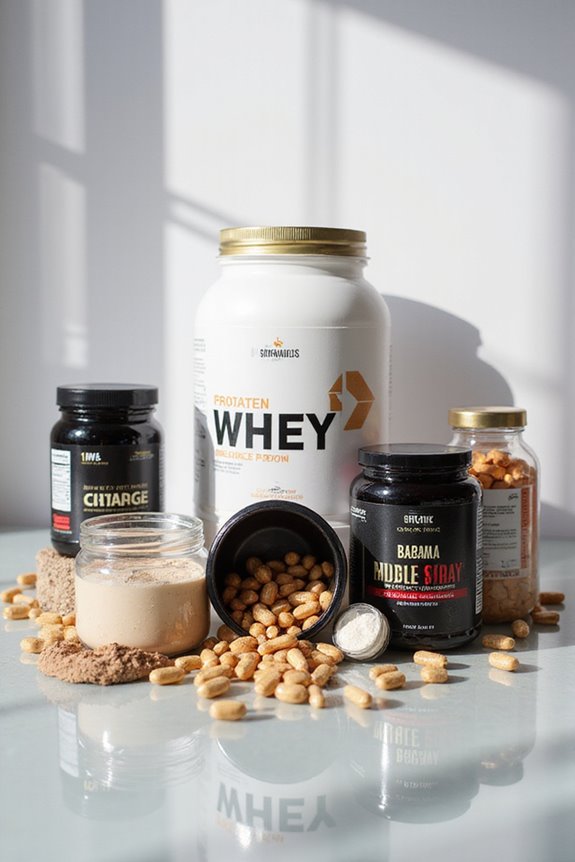
Are There Supplements For Muscle Growth?

Yes, there are several supplements for muscle growth that we can consider. Protein powders, like whey or casein, are essential for muscle repair and growth. Creatine monohydrate enhances our performance during workouts and boosts muscle mass. Essential amino acids, particularly leucine, support muscle synthesis and recovery. It’s important to use high-quality products and follow recommended dosages. Interested in learning how to integrate these supplements into our fitness routine effectively?
Key Takeaways
- Protein supplements, especially whey protein, are essential for muscle repair and growth, providing necessary amino acids for optimal development.
- Creatine monohydrate enhances muscle growth and performance, improving high-intensity exercise effectiveness and increasing muscle thickness over time.
- Essential amino acids (EAAs) are crucial for muscle protein synthesis, aiding in new muscle formation and recovery after workouts.
- Quality and purity of supplements should be prioritized to avoid harmful contaminants and ensure safe, effective use.
- A balanced diet combined with strategic supplement timing enhances muscle growth results and overall performance.
Understanding Muscle Growth Supplements
You may be interested



When we explore muscle growth supplements, it’s important to understand how they work and what benefits they can offer. Protein supplements are foundational, essential for muscle repair and growth. Whey protein is popular due to its rapid digestion and high amino acid bioavailability, making it effective for muscle protein synthesis after workouts. Plant-based proteins, like soy and pea, also deliver great amino acids but may not always match whey’s effectiveness. Casein protein, on the other hand, digests slowly, supporting overnight recovery. We should aim for a daily intake of about 1.6-2.2g of protein per kilogram of body weight for ideal muscle gain. Additionally, incorporating collagen peptides may help improve joint health, which is crucial for maintaining a consistent workout routine. Overall, we can see that choosing the right protein sources is key for our muscle growth journey.
Creatine Monohydrate: A Proven Choice

Creatine monohydrate stands out as one of the most popular supplements among those looking to enhance their muscle growth and performance. Known for its creatine benefits, it helps increase muscle mass, strength, and overall workout efficiency. By boosting our intramuscular creatine stores, it allows for improved performance in high-intensity exercises.
Dosage Recommendations:
- Typical dosages range from 3 to 5 grams daily.
- Some opt for a loading phase of 20 grams per day for a short period to jumpstart benefits.
Research shows that creatine can enhance our muscle thickness and strength output over time, making it a go-to for athletes and fitness enthusiasts alike. With a solid safety record, it’s worth considering for anyone focused on muscle growth. Additionally, incorporating a high-quality supplement that adheres to strict quality standards can further optimize your results.
Recommended Products

Rich in Natural Nutrients: Step into a world where every serving is a treasure chest of essential nutrients sourced directly from nature. Our Rhodiola Rosea Extract powder, or Rhodiola Root powder, harness the earth's bounty, providing you with the essential nutrients required for a flourishing overall health and well-being.
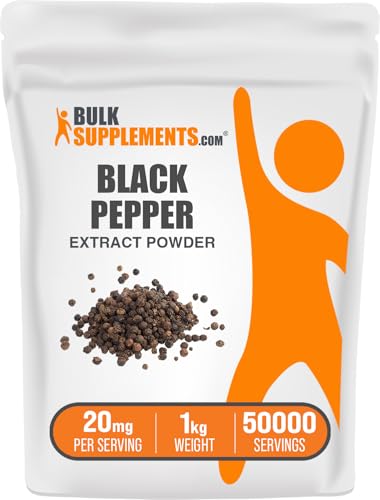
Rich in Natural Nutrients: Step into a world where every serving is a treasure chest of essential nutrients sourced directly from nature. Our Black Pepper Extract powder, or Piperine supplements, harnesses the earth's bounty, providing you with the essential nutrients required for a flourishing overall health and well-being.

Maximize your Potential: Enhance your active lifestyle with our Whey Protein Isolate powder, or Whye Protein Powder Isolate, designed to support your strength and performance goals. Each serving delivers a substantial 30 grams dose, catering to both fitness enthusiasts looking to push their limits.
The Role of Protein Supplements

The role of protein supplements in muscle growth is essential and should definitely be a consideration for anyone serious about their fitness journey. Protein supplements, especially whey protein, boost protein synthesis, improving muscle recovery after workouts. Studies show that those who take protein pre- and post-exercise experience greater muscle hypertrophy and strength.
Key benefits include:
- Enhanced protein synthesis due to leucine in whey
- Increased muscle mass gains of about 0.3 to 1.3 kg with resistance training
- Improved recovery following strenuous workouts
For ideal results, we should pay attention to the timing and quantity of protein intake. By incorporating protein supplements into our routines, we can effectively support our muscle growth goals and overall performance. Additionally, ensuring that protein powders have low sugar content helps maintain energy levels and supports optimal recovery.
Recommended Products

Packaging may vary - You may receive our fresh new label, but it's still the great taste you love.
Essential Amino Acids and Their Impact

Essential amino acids (EAAs) play a significant role in helping us achieve our muscle-building goals. These essential nutrients are important for muscle protein synthesis, especially leucine, which activates pathways to promote muscle growth.
EAA Benefits:
- Supports new muscle formation.
- Helps preserve muscle mass.
- Enhances recovery after workouts.
EAA Sources:
To get these EAAs, we can turn to various protein-rich foods such as chicken, eggs, and dairy. Additionally, we might consider EAA supplements, especially around workout times. Recent recommendations highlight the effectiveness of natural supplements with B-vitamins that can complement EAA intake for improved energy and recovery.
Exploring Other Supplements With Mixed Evidence

When we’re diving into the world of supplements, it’s essential to recognize that not every product has the same level of backing from research.
ATP Effectiveness shows mixed results for muscle mass and strength, often unclear about safety. HMB limitations reveal it might help prevent muscle loss but not greatly boost hypertrophy for trained individuals. Citrulline benefits are linked to blood flow, while arginine uncertainty surrounds its effectiveness for muscle growth.
CLA impact on muscle hypertrophy is minimal, and glutamine effects mainly revolve around reducing soreness. Resveratrol evidence remains weak, and Tribulus safety raises concerns at high doses.
Pre-workout blends provide mild benefits, and buffering agents can enhance training intensity, though their direct impact on muscle growth is less clear. Additionally, some B vitamins in B complex vitamins may support energy levels, which can indirectly benefit muscle growth during workouts.
Plant-Based Protein Options for Muscle Building
Plant-based protein options are gaining popularity among those looking to build muscle, and we can see why.
- Tempeh benefits: With around 31g of protein per cooked cup, it’s fermented, aiding in nutrient absorption.
- Lentil nutrition: Delivering approximately 18g of protein per cup, lentils also support muscle oxygenation.
- Quinoa protein: Classified as a complete protein, it’s got 8g of protein per cup.
- Hemp seeds: Just 3 tablespoons yield 10g of protein, plus omega-3s for reduced inflammation.
- Tofu uses: Comparable in protein to meat, and seitan comparison showcases its versatility.
For muscle recovery, consider plant protein powders that combine different sources for amino acid completeness. Remember, protein digestibility varies, but diverse plant proteins can help us reach our fitness goals effectively.
Optimal Timing and Dosage for Supplement Effectiveness
Timing and dosage play a considerable role in maximizing the benefits of our supplement routine, especially for muscle growth.
Optimal Timing Strategies:
- Aim for protein supplements immediately before and after workouts.
- The so-called “anabolic window” allows protein intake up to one hour around exercise, boosting muscle protein synthesis effectively.
- Combining protein with carbohydrates and creatine can enhance muscle gains more than protein alone.
Dosage Guidelines:
- We should target 20-40 g of high-quality protein per serving near workout times.
- Including around 6 g of essential amino acids can elevate muscle protein synthesis further.
- For nighttime intake, aim for enough protein to support muscle recovery during our sleep.
Following these strategies and guidelines can considerably help us optimize our supplement effectiveness!
Safety and Potential Side Effects of Supplements
Understanding the safety and potential side effects of muscle-building supplements is essential, especially if we’re considering adding them to our fitness routine. While some supplements can be beneficial, we need to be aware of the risks involved.
Common Concerns:
- Serious Health Risks: Anabolic steroids can lead to life-threatening reactions, liver injury, and heart issues.
- Cardiovascular Effects: Supplements may raise cholesterol and increase blood pressure.
- Mental Health Issues: Users may experience mood swings, irritability, or even depression.
- Youth Risks: Teens using these products might face serious health and growth issues.
For our safety, it’s vital to research supplement safety thoroughly and consult trusted sources before use. Remember, knowing both benefits and side effects helps us make informed choices.
The Importance of Quality and Purity in Supplementation
When adding muscle-building supplements to our regimen, focusing on quality and purity can’t be overlooked. The effectiveness of these supplements largely depends on how well they meet quality control standards. Many products don’t have stringent checks for harmful contaminants like heavy metals or toxins, leading us to question their safety.
Ingredient transparency is essential; proprietary blends might hide the actual amounts of active components, making it hard to evaluate our intake accurately.
When selecting supplements, we should look for those that adhere to Current Good Manufacturing Practice (CGMP) regulations. This guarantees that products maintain identity, strength, and purity. In a crowded market, knowing what we consume helps us make informed choices for our muscle growth journey.
Integrating Supplements Into Your Fitness Routine
Integrating supplements into our fitness routine can truly enhance our muscle growth outcomes. To get the most from our supplements, supplement scheduling is key. It’s beneficial to time protein intake close to our resistance training sessions, which may boost our muscle strength and growth.
When it comes to creatine, taking around five grams daily can support our fitness goals. To avoid side effects, we might consider splitting the dose throughout the day.
Ultimately, ensuring there’s workout synergy between our training and supplementation can maximize our results. We should also remember that supplements work best alongside a balanced diet and regular exercise. By following these strategies, we can effectively integrate supplements and work towards reaching our muscle-building objectives.
Frequently Asked Questions
Can Supplements Replace a Balanced Diet for Muscle Growth?
Imagine a vibrant plate of whole foods bursting with colors—it’s hard to think supplements can truly replace that dietary balance. While they can boost supplement efficacy, they’re just tools, not the full meal for muscle growth.
How Do I Choose a Quality Supplement Brand?
When we choose a quality supplement brand, we prioritize brand reputation and ingredient transparency. It’s crucial to select companies with clear labels, third-party testing, and a commitment to product integrity for our health and safety.
Are There Age Restrictions for Muscle Growth Supplements?
While we understand youth athletes crave strength, age limitations are essential. Laws now restrict muscle growth supplements for those under 18, guiding parents and coaches to reconsider safety and prioritize nutrition and training over untested products.
Can Women Benefit From Muscle Growth Supplements Differently Than Men?
Absolutely, we can benefit from muscle growth supplements differently due to female physiology and hormonal differences. Research suggests these factors influence our response to supplements like creatine, making personalized approaches essential for ideal results.
What Is the Role of Hydration in Muscle Growth Supplementation?
Like a well-watered garden, our muscles thrive on hydration benefits. It aids muscle recovery and boosts protein synthesis, ensuring we get the most from our workouts. Let’s stay properly hydrated for ideal growth together!


