As an Amazon Associate, we earn from qualifying purchases. Some links on this site are affiliate links at no extra cost to you. Our recommendations are based on thorough research and editorial judgment.

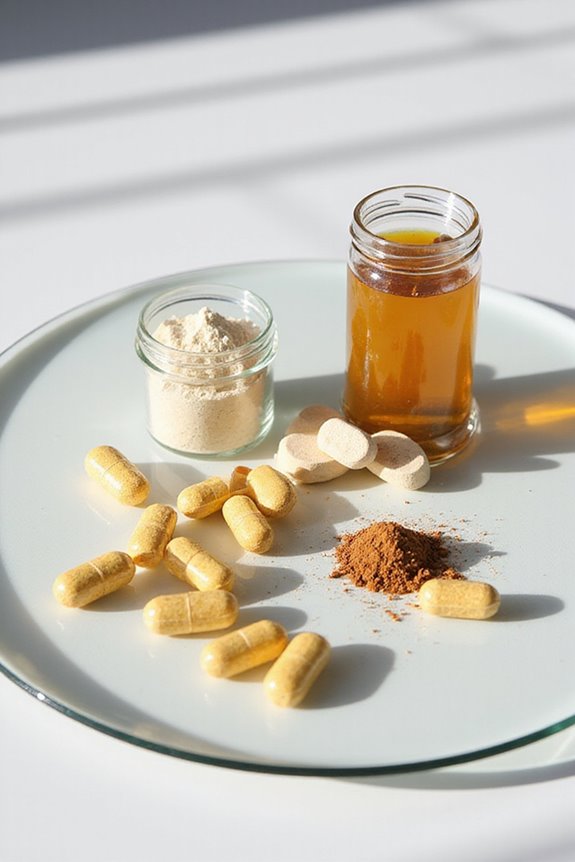
Are There Supplements For Appetite Control?

Yes, there are supplements that can help with appetite control. We can choose from prescription options like Contrave and Saxenda, which work by influencing our body’s hunger signals. Additionally, over-the-counter choices, such as fiber supplements and Garcinia cambogia, are available but their effectiveness may vary. Natural choices like 5-HTP might also boost feelings of fullness. As we explore these options further, we can discover what fits best within a balanced lifestyle.
Key Takeaways
- Over-the-counter supplements for appetite control exist but vary in effectiveness and are not as regulated as prescription medications.
- Natural supplements like fiber (glucomannan) and serotonin boosters (5-HTP) may help enhance feelings of fullness.
- Prescription medications, such as Contrave and Saxenda, are FDA-approved for appetite suppression with documented effectiveness.
- Consultation with a healthcare provider is essential to assess safety and side effects before starting any appetite control supplement.
- Market trends show increasing demand for natural and holistic appetite control options in the wellness industry.
Understanding Appetite Control Mechanisms
You may be interested

Understanding how our appetite works can really help us make better choices when it comes to eating. Our appetite isn’t just driven by hunger; it’s influenced by hormonal signaling and neural pathways in our bodies. For instance, about four to six hours after we eat, our stomachs signal our brains to initiate appetite through complex interactions involving AgRP neurons. These neurons release substances that encourage us to eat more while decreasing energy use. Additionally, the vagus nerve detects fullness and communicates this back to our brain. Recognizing these mechanisms can enhance our understanding of when and why we eat, allowing us to navigate our choices more effectively. Fundamentally, it’s all about finding balance in how we listen to our bodies. Incorporating supplements that support balanced blood sugar levels can also aid in appetite control.
Overview of Prescription Appetite Suppressants

When it comes to controlling our appetite, prescription appetite suppressants can offer some valuable support. Several FDA-approved prescription medications, including bupropion-naltrexone (Contrave) and liraglutide (Saxenda), help with appetite regulation.
Here’s a quick overview of their features:
- Mechanisms: Some medications mimic gut hormones, enhancing feelings of fullness, while others reduce hunger signals.
- Administration: Options include injectables like liraglutide and oral pills like phentermine.
- Efficacy: Weight loss varies, with liraglutide users typically losing 5–10% of body weight when combined with lifestyle changes.
- Considerations: Each drug comes with its own set of side effects, so consulting a healthcare provider is essential. Additionally, regular assessments of health help in evaluating the effectiveness of these appetite control methods.
These prescription options can be helpful tools in our weight management journey.
Recommended Products
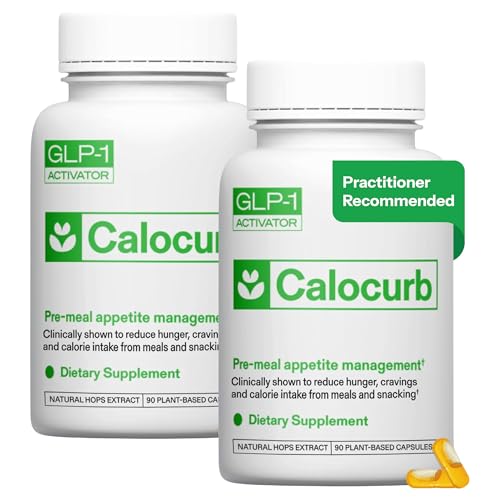
Proven to Work: Calocurb has been shown to naturally support your body's own GLP-1 within one hour which reduces hunger (30%), cravings (40%) and calorie intake (18%).

ADVANCED FAT BURNER & METABOLISM BOOSTER* - BurnZen is an advanced weight loss supplement designed to help enhance fat burning, optimize metabolism,* and support healthy body recomposition.* This powerful fat burner for men and women works through multiple pathways to help you lose weight faster while maintaining energy and lean muscle.*

Pharmacist-Designed Twin-Pack System: Dr. Megan is a third-generation board-certified pharmacist who designed this simple morning and bedtime bottle system to replace the confusion of juggling 8+ separate supplements. Take 2 capsules each morning and 2 at bedtime for a full 30-day supply of 120 capsules total. No guessing, no sorting, no overwhelm.
The Role of Over-the-Counter (OTC) Supplements
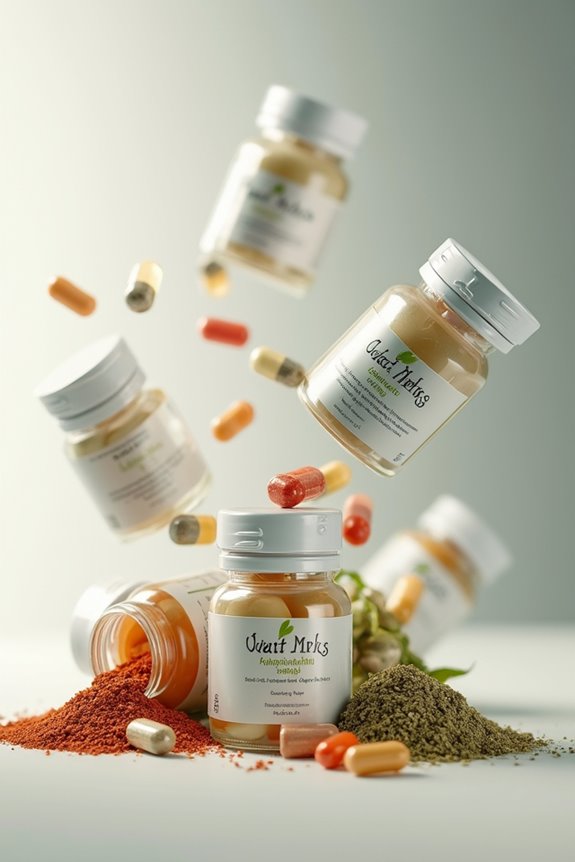
While exploring options for appetite control, we might come across a variety of over-the-counter (OTC) supplements that promise to help manage cravings. However, we should keep in mind that OTC supplement effectiveness can vary widely. These products aren’t regulated by safety regulations like prescription medications, leading to questions about their reliability. For instance, ingredients such as Garcinia cambogia and glucomannan may offer some appetite-suppressing effects, but scientific evidence is inconsistent.
Moreover, some OTC supplements may also contain immune booster ingredients that play a role in overall health but could have side effects that impact appetite. Potential side effects include gastrointestinal issues and, in rare cases, serious liver damage. Consulting a healthcare provider before starting any OTC appetite suppressant is always a good idea to guarantee our safety and mitigate risks associated with interactions or existing health conditions.
Recommended Products

Provides clean energy for athletic performance, mental clarity, metabolic health, and deep sleep

GREAT VALUE: Our transformation kit includes two (2) Complete Meal Replacements, Slim Down capsules, Appetite Suppressant capsules, Probiotic Colon Optimizer capsules, Collagen capsules, a shaker, nutritional guide, and a heart band. Enjoy the beneficial blend of all these products to help you achieve optimal wellness.
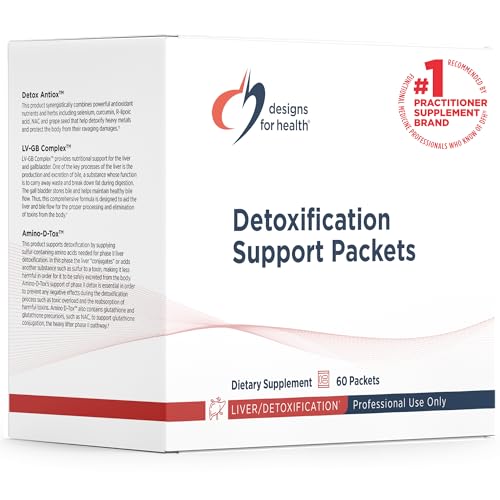
The Need to Detox - In the modern era of unavoidable environmental pollution, increased mental and physiological stress, and the degraded nutrient density of the food supply, the body may require supplemental amounts of amino acids, minerals, and other factors essential for healthy detoxification. *
Natural Supplements for Appetite Regulation
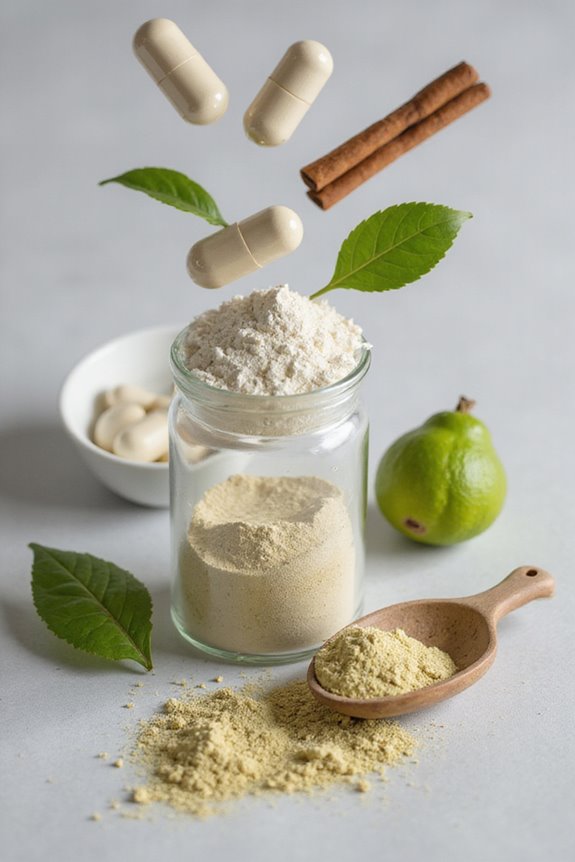
Steering through the world of natural supplements for appetite control can be an intriguing journey for many of us. One popular option is fiber supplements, like glucomannan, which can help us feel full by slowing down how quickly our stomach empties. This, in turn, may help reduce calorie intake and support our dietary goals.
We also have serotonin boosters, such as 5-HTP found in Griffonia simplicifolia. These may enhance feelings of fullness and help align our eating patterns. Such supplements can be appealing since they offer a more natural approach to appetite regulation. Additionally, some gut health supplements contain probiotic strains that may support overall digestive wellness, potentially influencing appetite control.
Recommended Products

Rich in Natural Nutrients: Step into a world where every serving is a treasure chest of fiber and essential nutrients sourced directly from nature. Our Glucomannan powder, as Konjac Root Extract, harnesses the earth's bounty, providing you with the essential nutrients required for a flourishing overall health and well-being.
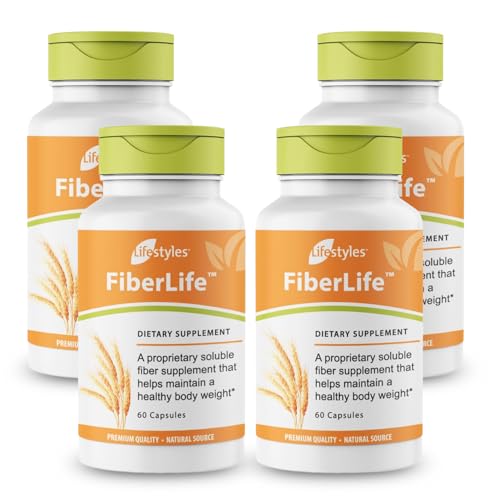
HIGHLY VISCOUS FIBER BLEND – FiberLife is a premium dietary fiber supplement. Formulated with natural ingredients like Konjac Glucomannan, Guar Gum, Xanthan Gum, and Cinnamon Extract to promote digestive health and overall wellness.

10-IN-1 APPETITE SUPPRESSANT FOR WEIGHT LOSS SUPPORT: Melt Mode combines Glucomannan, CLA, Green Tea Extract, White Kidney Bean, Grains of Paradise, Fucoxanthin, Apple Cider Vinegar, Cayenne, Berberine, and Chromium 400 mcg.
Efficacy of Garcinia Cambogia and Other Supplements
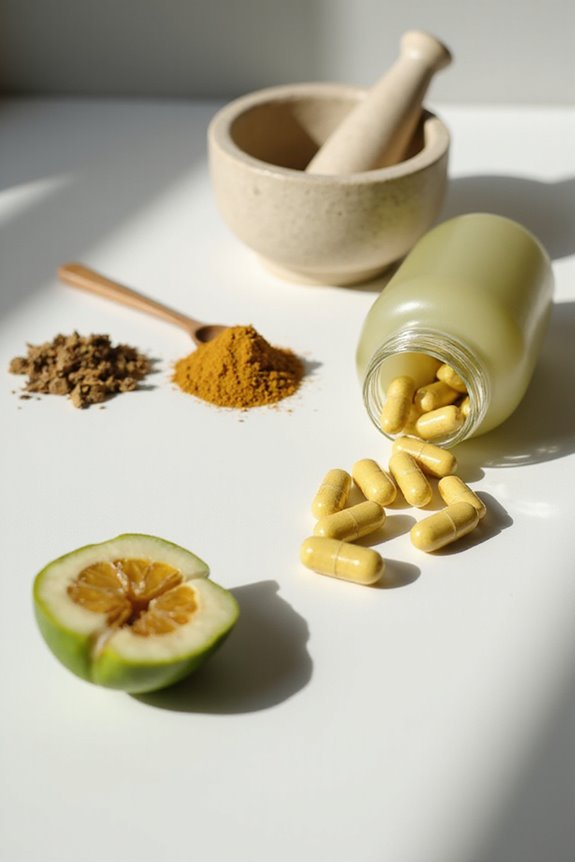
In our quest for effective appetite control, Garcinia Cambogia has piqued the interest of many. This natural supplement, particularly its active ingredient hydroxycitric acid (HCA), may help some individuals with weight loss. Research indicates that G. cambogia can lead to modest reductions in body weight, averaging about 2 pounds more than those taking a placebo in clinical trials.
- HCA may inhibit fat production and increase serotonin, potentially reducing appetite.
- Benefits often vary among individuals, with some experiencing more noticeable effects than others.
While these results are promising, the small average difference in weight loss raises questions about practical impact. As we explore appetite control options, Garcinia Cambogia remains a popular choice worth considering. Furthermore, understanding factors that contribute to omega-3 supplements can enhance your overall health and wellbeing.
Recommended Products

Herbal Support - Contains 1600mg of Garcinia Cambogia extract.

Powerful Blend: Our Lakma Garcinia Green Tea with Raspberry Flavor combines the goodness of green tea, garcinia cambogia, dried blackberry leaf, and dried hibiscus flower, creating a potent blend that supports your overall well-being.

[LEAN LIFESTYLE FORMULA] With 5g of dietary fiber and prebiotics per stick, this fiber-rich jelly is designed to help manage appetite awareness and align with carb-conscious routines. Featuring Garcinia Cambogia (HCA) to complement natural satiety pathways while supporting digestive health and daily fiber intake.
Safety and Side Effects of Appetite Control Supplements
When considering appetite control supplements, it is essential to understand their safety and potential side effects. These products can vary widely, leading to some safety concerns.
Common Side Effects:
- Gastrointestinal issues like nausea, bloating, or constipation
- Neurological effects such as headaches or dizziness
- Rapid heartbeat, particularly with stimulant-based options
- Dry mouth and changes in taste
Long-Term Risks:
- Prolonged use may lead to dependency and nutrient deficiencies.
- Serious effects, like liver damage, require immediate medical attention.
Using these supplements under a healthcare provider’s supervision can guide us through managing side effects. Starting with low doses and monitoring our reactions is key to minimizing discomfort and ensuring safe use.
Comparison of Prescription Medications vs. OTC Options
How do prescription medications stack up against over-the-counter (OTC) options for appetite control?
Prescription appetite suppressants are FDA-approved and proven effective, especially for those with obesity. They target brain chemistry, altering hunger signals. On the other hand, OTC options, while widely accessible, often lack strong scientific backing and rely on ingredients like caffeine or glucomannan.
Key Differences:
- Regulatory Differences: Prescription options are closely monitored by the FDA.
- Consumer Preferences: Many prefer OTC due to ease of access and lower cost, despite limitations in effectiveness.
No OTC supplement currently matches the appetite suppression of prescription medications, making it crucial to weigh these factors before deciding on a method for appetite control.
Recommended Products


THE ULTIMATE MULTI-VITAMIN: Contains a base of Plant Derived Minerals blended with vitamins, amino acids and other essential nutrients to make a complete daily supplement.
Trends in Appetite Control and Future Directions
As trends in appetite control evolve, we’re seeing a notable shift in how consumers approach weight management and wellness. The appetite control supplement market is projected to grow substantially, from around USD 1.5 billion in 2023 to between USD 2.8 and 5 billion by 2032-2033. This growth is largely driven by rising global obesity rates and increased consumer awareness of health risks associated with weight gain.
Future innovations will likely focus on natural ingredients, personalized supplements, and blends that support both appetite control and overall well-being. Consumer preferences are shifting towards convenient, non-prescription options that fit easily into busy lifestyles. We can expect greater product diversity, blending appetite suppression with metabolic support, which is set to captivate the market.
Frequently Asked Questions
Can Appetite Control Supplements Help With Emotional Eating?
So, if we think a magic pill’ll fix our emotional eating, we’re kidding ourselves! Instead, let’s tackle those emotional triggers and stress management through mindfulness and balanced diets, not just supplements. Who’s in?
How Long Should I Take Appetite Control Supplements?
When considering how long to take appetite control supplements, we should follow duration guidelines and evaluate supplement effectiveness regularly. Consulting a healthcare provider guarantees we’re making safe and informed choices along our weight management journey.
Are Appetite Suppressants Safe During Pregnancy?
We can’t overlook appetite safety when considering pregnancy concerns. It’s essential to consult healthcare providers before taking any appetite suppressants during this time, as they might pose significant risks to both the parent and fetus.
Can Children Use Appetite Control Supplements?
When it comes to child nutrition, we really need to prioritize safety. There aren’t safe supplements specifically for appetite control in children, so consulting a healthcare provider is essential before considering any options.
Do Cravings Differ Between Men and Women?
We’ve noticed that cravings indeed differ between men and women. Hormonal differences influence gender preferences, with women often craving sweets while men lean towards savory foods. These distinctions highlight the complexity of our eating habits.


