As an Amazon Associate, we earn from qualifying purchases. Some links on this site are affiliate links at no extra cost to you. Our recommendations are based on thorough research and editorial judgment.
What Are The Best Supplements For Vegans?

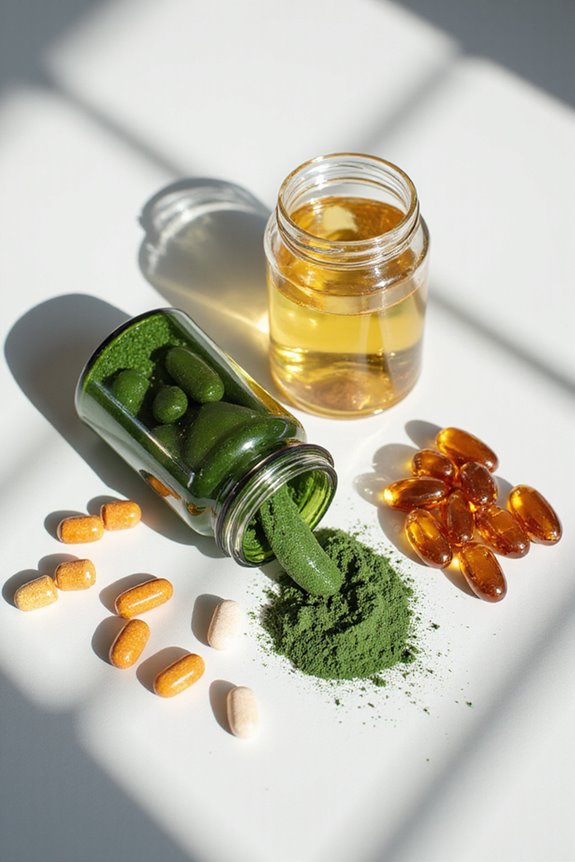
When considering the best supplements for vegans, we often focus on a few key nutrients. Vitamin B12 is essential for energy and nerve function, while Vitamin D supports bone health. Omega-3 fatty acids help with heart and brain function. Alternatively, iron boosts red blood cell production, and calcium is crucial for strong bones and muscles. Zinc and selenium support immune health and antioxidant properties, respectively. If you want to explore more about these options and their benefits, there’s plenty to uncover.
Key Takeaways
- Vitamin B12 supplements are crucial for nerve function and can be found in fortified foods or nutritional yeast.
- Vitamin D, especially from lichen-derived sources, is important for calcium absorption and bone health.
- Iron supplements, paired with vitamin C, enhance absorption, crucial for red blood cell production in vegans.
- Omega-3 fatty acid supplements from algae provide essential DHA and EPA for heart and brain health.
- Vegan multivitamins can help fill dietary gaps and ensure balanced nutrient intake for overall wellness.
Vitamin B12: Importance and Sources
You may be interested



When we talk about Vitamin B12, we can’t ignore its crucial role in our health, especially for those of us following a vegan lifestyle. B12 is essential for DNA synthesis, red blood cell formation, and protecting our nervous system. Since B12 isn’t reliably found in plant foods, we need to look to B12 supplements or fortified vegan sources like plant-based milks, breakfast cereals, and nutritional yeast. For example, nutritional yeast can offer a whopping 24 micrograms per serving, often enough to meet our daily needs. Be sure to check product labels, as fortified foods vary in B12 content. By prioritizing B12 supplementation, we can maintain our health and enjoy a vibrant vegan diet. Additionally, considering ingredient quality and manufacturing standards is vital when selecting B12 supplements to ensure efficacy and safety.
Recommended Products

Cellular Energy Metabolism and Cardiovascular support supplement: Contains one 60 count bottle of Jarrow Formulas Ultra Strength Methyl B-12 5000mcg & Methyl Folate 800mcg Chewable Tablets for a 60-day supply.

Foundational Elements for Wellness: Pure Vitamin B12 Methylcobalamin powder, a Vitamin B12 supplement, is the cornerstones of health, playing critical roles in your overall health and wellness. Ensure your body has the right building blocks for vitality.
Vitamin D: Boosting Bone Health
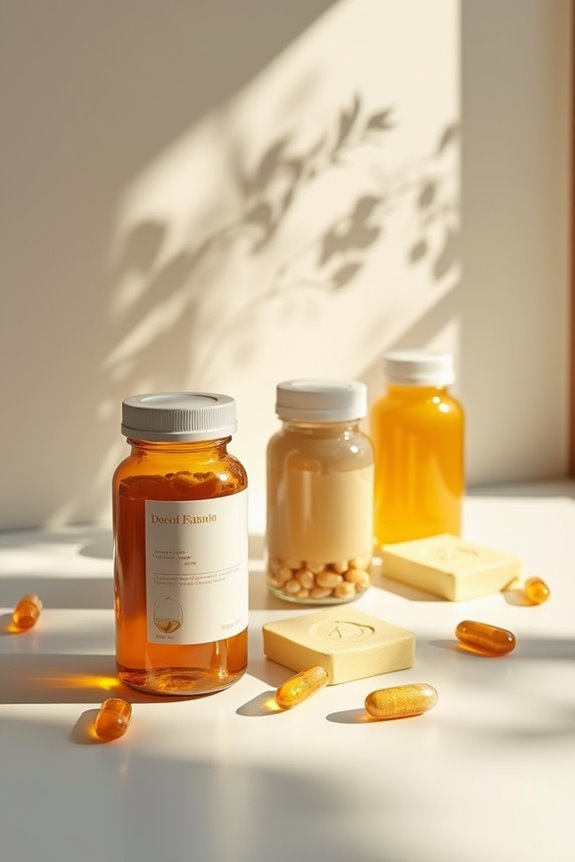
As we explore the importance of vitamin D for our bone health, it’s clear that many vegans face unique challenges in meeting their needs. With limited dietary sources, like mushrooms exposed to UV light and fortified foods, we often rely on sunlight exposure and supplements to achieve adequate levels.
Key points to reflect on:
- Vitamin D Role: It aids calcium absorption, essential for bone strength.
- Vegan Diets: They may lack calcium, making sufficient vitamin D critical.
- Supplements: Regular use of vitamin D2 or lichen-derived D3 is recommended for consistent support.
- Seasonal Variation: Levels can dip in winter, emphasizing the need to monitor our intake. Adding vitamin D supplements, especially vegan-friendly options, can help ensure optimal levels.
Ultimately, focusing on both sunlight exposure and dietary sources can greatly enhance our bone health.
Recommended Products
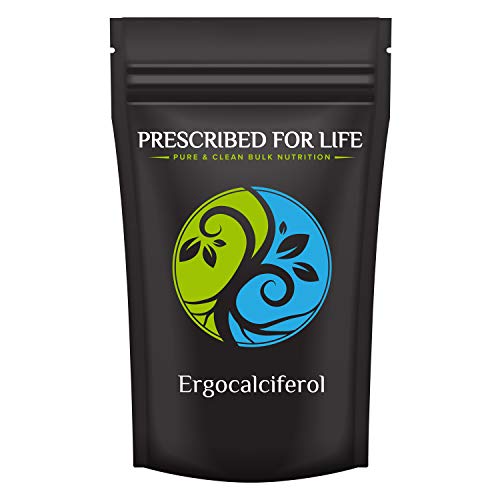
PURE & NATURAL: Prescribed for Life Ergocalciferol Vitamin D2 Powder is a pure, single raw ingredient. No additives. No preservatives. No fillers or binders.

GET YOUR DAILY DOSE OF CALCIUM: Umeken Mineral L-Cal is a potent dietary supplement made from fermented natural beets and essential minerals extracted from natural minerals in the Great Salt Lake in Utah

The information below is per-pack only
Omega-3 Fatty Acids: Heart and Brain Benefits

Maintaining a balanced and nutritious vegan diet often means paying close attention to the types of fats we consume. Omega-3 fatty acids play an essential role, offering heart and brain benefits. We primarily get these from plant sources, like flaxseeds and walnuts, but it’s important to take into account algae supplements for DHA and EPA, the forms significant for our health.
Using algae oil supplements can help us meet our omega-3 needs. These options provide concentrated DHA, supporting memory and cognitive function. With a favorable omega-6 to omega-3 ratio, our vegan diets can reduce inflammation and cardiovascular risk. Additionally, third-party testing ensures the quality and safety of these supplements, making them a reliable choice to meet our nutritional needs. Whether we choose fortified products or algae oil, ensuring sufficient omega-3s is fundamental for both heart and brain health.
Recommended Products

LABO NeuroREGAIN is a natural formula made with Scallop-derived PLASMALOGEN extracted from scallop, and is naturally bound with DHA to effectively support brain function. Scallop-derived PLASMALOGEN is the only natural ingredient validated by clinical trials for its effectiveness on brain degeneration problems. NeuroREGAIN is a safe dietary supplement with high purity plasmalogen and without chemical modification. It is not a drug and no prescription is required.

2-MONTH SUPPLY: Two (2) refill pouches of Nutrafol Postpartum Hair Growth Supplements that support visibly thicker, stronger, faster-growing hair and less shedding (10)

What are ENERGYbits? – Skip the blender and ditch the energy crash. ENERGYbits Spirulina Tablets deliver clean, steady energy, focus, and endurance—all from a single ingredient: 100% spirulina algae.
Iron: Supporting Red Blood Cell Production

Iron plays a crucial role in supporting red blood cell production, which is essential for transporting oxygen throughout our bodies. As vegans, we need around 1.8 times more iron than non-vegetarians due to the lower absorption rate of plant-based, nonheme iron. This can lead to an increased risk of anemia, especially among women.
To boost iron absorption, we can pair iron-rich foods with vitamin C sources. Great plant-based options include:
- Blackstrap molasses: 7.2 mg iron per 2 tablespoons
- Lentils: about 6.6 mg iron per cup
- Spinach: 6.4 mg iron per cup
Additionally, incorporating supplements with vitamin C can further enhance iron absorption and support overall energy levels. Balancing our diet with these foods can aid in anemia prevention and help us maintain healthier iron levels.
Calcium: Vital for Bone and Muscle Function

Calcium is an essential mineral that plays a key role in our overall health, particularly for bone and muscle function. About 99% of the mineral content in our bones and teeth is made up of calcium, which helps maintain their strength. It’s also critical for muscle contraction and nerve transmission.
For vegans, there are excellent sources of calcium to take into account:
- Tofu made with calcium sulfate
- Dark leafy greens like kale
- Almonds and chia seeds
- Fortified plant milks
Since plant-based calcium can be less absorbable, choosing low-oxalate greens and pairing them with vitamin D can help enhance calcium absorption. Monitoring our intake is essential to support our bones and overall health. Additionally, considering supplements such as Calcium-Magnesium-Zinc supplements can further assist in meeting daily requirements.
Iodine: Essential for Thyroid Health
Iodine plays a pivotal role in our overall well-being, specifically when it comes to thyroid health. For those of us following a vegan lifestyle, the risk of iodine deficiency can be concerning since common iodine sources like seafood, dairy, and eggs are excluded. Without adequate iodine, our thyroid function can suffer, leading to potential issues like weight gain and cognitive challenges.
To maintain proper iodine levels, we should consider supplement options. Seaweed and iodine-fortified plant milks can be helpful, but their iodine content varies.
Here are some practical tips:
- Iodine Supplements: Potassium iodide tablets can restore iodine levels effectively.
- Fortified Foods: Look for iodized salt or fortified plant-based products to enhance our iodine intake.
Staying informed about our iodine needs is essential for our health.
Zinc: Important for Immune Function
Zinc’s significance in our diet can’t be overstated, especially when we consider its essential role in supporting immune function. Zinc is crucial for immune cell activity, helping our bodies tackle infections and heal properly. It’s noted that some zinc-rich foods include nuts, seeds, whole grains, and legumes.
However, zinc absorption can be challenging for us as vegans since phytates in these foods can inhibit this crucial nutrient’s uptake. To enhance zinc absorption, we can soak, sprout, or ferment our plant-based sources.
Incorporating a diverse range of these foods daily not only supports our immune resilience but also helps maintain adequate zinc levels, essential for overall health. Regularly monitoring our intake is advisable to avoid deficiencies.
Protein: Meeting Nutritional Needs
When it comes to meeting our nutritional needs, protein is a cornerstone of a well-balanced vegan diet. We can explore various protein sources to guarantee we hit our intake goals. Options like seitan, tofu, tempeh, and edamame provide complete proteins, packing around 10 to 21 grams per serving. Legumes, such as lentils and beans, are also stellar choices, delivering 15 to 18 grams of protein per cooked cup.
To make the most of our dietary strategies, combining different protein-rich foods throughout the day helps us achieve a balanced amino acid profile. And while whole foods are ideal, we can consider using protein powders, like pea or soy protein, to conveniently boost our intake when needed.
Recommended Products

CERTIFIED ORGANIC & TRACEABLE – Made from USDA Organic yellow peas grown in North America and processed in the USA.

NUTRITION & GREENS IN ONE SCOOP: Elevate your daily wellness routine with our plant-based protein powder combined with spinach, kale, alfalfa, and broccoli. Get your essential protein and vegetable nutrients in a single serving, eliminating the need to buy multiple daily supplements
Selenium: Antioxidant Properties
Selenium is a fascinating trace element that plays an important role in our health, particularly due to its antioxidant capabilities. It acts as a powerful defender against oxidative stress, helping to shield our cells from potential damage caused by free radicals. The antioxidant benefits of selenium come largely from a group of proteins it helps produce, called selenoproteins.
We can find selenium sources in foods like Brazil nuts, sunflower seeds, and whole grains. By incorporating these into our diet, we may enhance our body’s ability to combat oxidative stress. Additionally, research suggests that adequate selenium intake can lower the risks associated with chronic conditions, bringing an added layer of protection to our overall health.
Multivitamins: Comprehensive Nutritional Support
In today’s fast-paced world, many of us are looking for a simple way to guarantee we’re getting the nutrients we need, and vegan multivitamins offer a convenient solution. These supplements are specifically tailored to address common dietary gaps in vegan diets, such as:
- Vitamin B12 for nerve function.
- Vitamin D3 (from lichen) for bone health.
- Iron to enhance energy levels.
- Zinc for immune support.
- Iodine for metabolism.
Vegan multivitamin benefits also include improved nutrient absorption, thanks to some containing digestive enzymes and probiotics. With a variety of essential vitamins and minerals packed in one dosage, we can easily support our overall health while ensuring peace of mind about our nutritional intake.
Recommended Products

Rich in Natural Nutrients: Step into a world where every serving is a treasure chest of essential nutrients sourced directly from nature. Our Rhodiola Rosea Extract powder, or Rhodiola Root powder, harness the earth's bounty, providing you with the essential nutrients required for a flourishing overall health and well-being.

✅ HIGH QUALITY: Registered by Vegan Society, our vegetarian capsules are manufactured and packaged in state-of-the-art cGMP certified facilities meeting all health compliance requirements. K-CAPS contain low (4% to 10%) moisture content, disintegrate within 15-minutes.
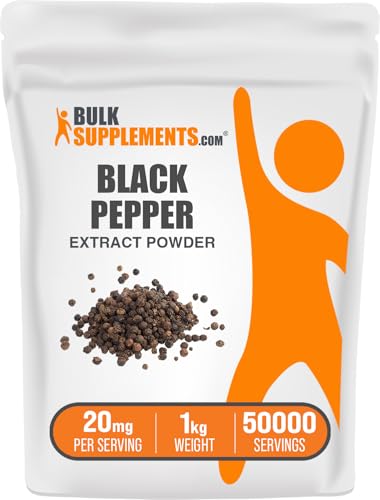
Rich in Natural Nutrients: Step into a world where every serving is a treasure chest of essential nutrients sourced directly from nature. Our Black Pepper Extract powder, or Piperine supplements, harnesses the earth's bounty, providing you with the essential nutrients required for a flourishing overall health and well-being.
Frequently Asked Questions
Can I Get Enough Nutrients From a Vegan Diet Without Supplements?
While a well-planned vegan diet offers diverse nutrient sources, it often requires careful diet planning to guarantee we meet all our needs. Sometimes, supplements become essential for key nutrients like B12, vitamin D, and omega-3s.
How Do I Know if I Need a Supplement?
To know if we need a supplement, we should prioritize symptom assessment and nutrient testing. If we notice fatigue or other symptoms, it’s wise to consult a healthcare provider for personalized guidance.
Are There Any Side Effects From Taking Vegan Supplements?
Did you know that around 30% of vegans report experiencing side effects from supplements? We should be cautious about potential interactions and adhere to recommended dosages to minimize risks and guarantee our health journey remains safe.
How Should I Choose a Quality Vegan Supplement Brand?
When choosing a quality vegan supplement brand, we should prioritize brand reputation and ingredient sourcing. Let’s make certain they provide transparency in formulations and uphold ethical practices, guaranteeing the products we select are both effective and trustworthy.
Can I Overdose on Vegan Supplements?
Like a double-edged sword, vegan supplements can be beneficial yet pose risks. We need to prioritize supplement safety, as overdose symptoms like nausea or irregular heartbeat highlight the importance of moderation and professional guidance.