As an Amazon Associate, we earn from qualifying purchases. Some links on this site are affiliate links at no extra cost to you. Our recommendations are based on thorough research and editorial judgment.

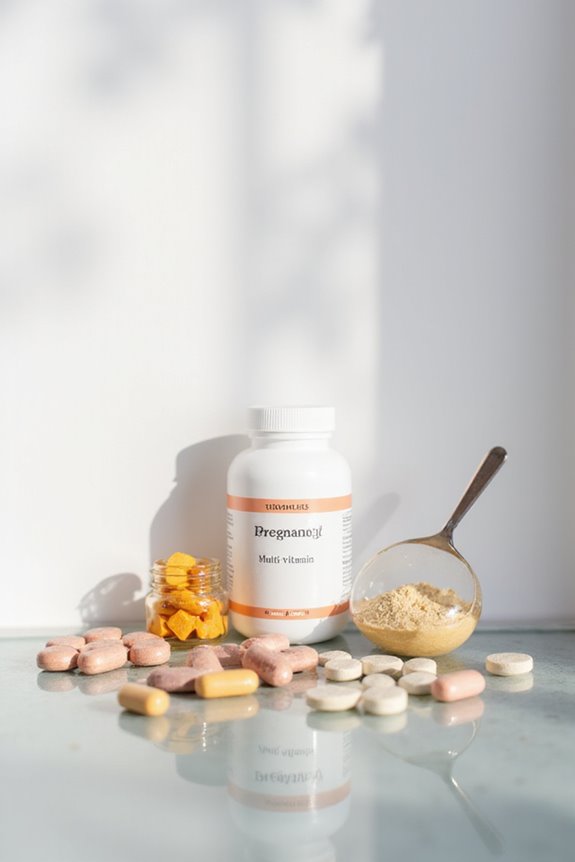
Are Supplements Safe For Pregnancy?

When it comes to supplements during pregnancy, we should be careful. Many can indeed provide benefits, like folic acid for fetal development, but not all products are equally safe. Some may contain harmful substances, so we should look for reputable brands with third-party testing. Consulting a healthcare professional is key to ensuring we choose the right supplements for our individual needs. By understanding both the benefits and potential risks, we can make informed choices together. There’s more to explore on this topic!
Key Takeaways
- Many supplements are not regulated by the FDA, increasing the risk of harmful substances and contamination in prenatal vitamins.
- Folic acid and iron are essential supplements for preventing neural tube defects and anemia during pregnancy, respectively.
- Certification from independent organizations (e.g., USP, NSF) helps ensure supplement safety and quality for pregnant individuals.
- Over-supplementing certain nutrients can pose risks; it’s important to consult healthcare professionals for personalized guidance.
- A balanced diet combined with reputable supplements can enhance maternal and fetal health during pregnancy.
Understanding the Safety of Supplements in Pregnancy
You may be interested



How can we guarantee that the supplements we choose during pregnancy are safe and beneficial? It can be tough since supplement regulations don’t require the FDA to review these products for safety before they hit the market. This means there’s a real risk of contamination. Studies show that up to 40% of prenatal vitamins might contain harmful substances like heavy metals.
To make informed choices, we should:
- Look for certification from independent organizations like USP or NSF.
- Buy from reputable brands that prioritize quality.
- Avoid supplements with known risks, such as those containing retinol or certain herbs. Additionally, consider looking for third-party testing to ensure product safety and effectiveness.
Commonly Recommended Supplements and Their Benefits

In exploring the most commonly recommended supplements during pregnancy, we can clearly see how many of these nutrients play significant roles in supporting both maternal and fetal health.
- Folic Acid Benefits: Folic acid is essential for preventing neural tube defects, supporting early brain and spinal cord development. The recommended daily intake is 400 mcg, starting before conception and continuing through the first 12 weeks.
- Iron Supplementation: Iron is critical for producing red blood cells and preventing anemia, a common issue during pregnancy. It helps transport oxygen to the fetus and supports overall pregnancy health. Additionally, certain supplements like ashwagandha may also support stress management, which can be beneficial for pregnant individuals navigating hormonal changes.
Evaluating the Efficacy of Prenatal Vitamins

When it comes to prenatal vitamins, what exactly makes them so vital during pregnancy? These vitamins play a significant role in supporting fetal development and maternal health. Research suggests that prenatal vitamin effectiveness hinges on their ability to enhance nutrient absorption, especially for key nutrients like folic acid and vitamin D.
- The majority of pregnant women (over 75%) take prenatal vitamins in their second half of pregnancy.
- Effective use in early pregnancy can lead to positive epigenetic impacts, potentially benefiting long-term health outcomes for the child.
However, it’s important to remember that not all prenatal vitamins meet the recommended dosage for nutrients, like vitamin D. Therefore, understanding what each prenatal vitamin offers can help us make informed choices as we navigate our pregnancy journey. Additionally, higher vitamin D3 content in prenatal vitamins is crucial for both maternal and fetal bone health.
Nutrient Deficiencies Addressed by Supplements

Nutrient deficiencies during pregnancy can greatly impact both maternal and fetal health, highlighting the importance of good nutrition and supplementation.
Many pregnant women face these deficiencies, like iron deficiency anemia, which can cause fatigue and low birth weight. We also see vitamin A deficiencies that may lead to night blindness, particularly in low-income areas. Vitamin D is vital too, especially in winter, for overall wellbeing. Zinc and vitamin B12 play key roles in fetal growth, and folate helps prevent neural tube defects. To address these issues, we often need supplements that provide essential nutrients that we might not get enough of through our diets alone, especially if we lack certain nutrient sources. Additionally, some women may benefit from considering multivitamins with probiotics to support both their health and digestion during pregnancy.
Potential Risks and Safety Concerns

Exploring supplements during pregnancy raises some important questions about safety and potential risks. We should be aware that dietary supplements aren’t closely monitored by the FDA, which means there’s a risk of supplement contamination. Many products can contain harmful heavy metals or unwanted chemicals that might affect fetal development.
Additionally, ingredient variability complicates the situation. The quality and potency of these supplements can differ greatly, making it hard to know what we’re really getting. Over-supplementing can also lead to issues, especially with nutrients like vitamin A or folate. Pregnant women might unknowingly exceed safe intake levels, creating potential risks. It’s essential for expectant parents to approach supplementation thoughtfully, considering these safety concerns. Certain supplements like iron supplements can be important for pregnant women, but they must be taken under medical supervision to ensure safety and effectiveness.
The Role of Physician Guidance in Supplement Use
Steering through the world of supplements during pregnancy can feel overwhelming, especially given the potential risks we discussed earlier. That’s where physician guidance plays an essential role. A personalized assessment allows us to understand individual nutritional needs and dietary habits before recommending any supplements.
- Physicians evaluate risk factors, such as previous pregnancy complications.
- They interpret evidence to suggest appropriate dosages, particularly for those with specific needs.
Regular monitoring guarantees we’re using supplements safely, while maneuvering potential interactions. By educating us on the right supplements to take—and those to avoid—physicians help align our supplement choices with current nutritional research. This partnership not only reduces risks but optimizes maternal and fetal health outcomes for a smoother pregnancy journey.
Importance of Third-Party Testing
When it comes to choosing supplements during pregnancy, understanding the significance of third-party testing can greatly boost our confidence in the products we select. Third-party verification means that independent labs evaluate supplements for quality and safety, which isn’t legally required by the FDA. This kind of testing guarantees that products meet established testing standards for nutrient content and contaminants.
Here’s why it’s particularly important for pregnancy:
- High safety and purity are essential for maternal and fetal health.
- It helps prevent excessive intake of nutrients that could be harmful.
- Reliable data supports informed decisions about what we consume.
Choosing supplements with third-party certification signals a commitment to quality, reducing our risk of using potentially unsafe products during this important time.
Current Evidence and Research Gaps
Understanding the current evidence and research gaps related to prenatal supplements is essential for making well-informed choices during pregnancy.
Contamination Risks
Many prenatal vitamins have been found to contain harmful chemicals and heavy metals. Studies show around 40% exceed lead toxicity levels. The presence of toxigenic fungi and molds raises additional safety concerns.
Regulatory Challenges
Regulatory agencies often react only after issues arise. There’s no global standard for post-manufacturing testing, leading to variable safety and accuracy in prenatal supplements. Reports highlight that actual nutrient content frequently varies from labels, making it tough to trust these products.
Given these points, it’s imperative for us to navigate the complicated landscape of prenatal supplements with care and diligence.
Practical Recommendations for Supplementation
Steering through the world of prenatal supplements takes careful consideration, especially given the evidence about contamination risks and regulatory challenges we’ve just discussed.
To guarantee we’re getting the right nutrients, we should focus on dosage considerations and timing strategies. For instance:
- Folic Acid: Start with 400 micrograms daily at least a month before conception and continue through the first trimester. Those at higher risk may need up to 4,000 micrograms.
- Vitamin D: Aim for 400-600 IU per day; some may require 2,000-4,000 IU.
- Quality Matters: Always choose supplements from reputable sources for safety and effectiveness.
A Balanced Approach to Diet and Supplements in Pregnancy
Maintaining a balanced approach to diet and supplements during pregnancy is crucial for guaranteeing both maternal and fetal health. By focusing on dietary balance, we can incorporate a variety of foods that offer crucial nutrients. It’s important to emphasize fruits, vegetables, whole grains, and healthy proteins. While we aim to get our nutrients from food, supplements can help fill any gaps, especially for essential elements like folic acid, vitamin D, and omega-3 fatty acids.
Achieving nutrient synergy is key. When we pair supplements with a well-rounded diet, we enhance their effectiveness. Always choose quality products and consult with healthcare professionals to verify our supplements support our nutritional needs without causing harm. Balancing diet and supplementation promotes healthy pregnancies.
Frequently Asked Questions
Can I Take Supplements Without Consulting My Healthcare Provider First?
Did you know around 70% of pregnant women take supplements? We shouldn’t ignore safety guidelines—consulting with our healthcare provider first guarantees we get the right advice and prevents potential harm to us and our baby.
What Should I Do if I Miss a Dose of My Prenatal Vitamins?
If we miss a dose of our prenatal vitamins, let’s not double up. Instead, we should simply resume with the next scheduled dose, as missing one occasionally isn’t linked to significant health risks.
Are There Any Specific Herbs Safe for Use During Pregnancy?
As the saying goes, “the proof of the pudding is in the eating.” We find safe herbs like ginger and raspberry leaf offer herbal benefits during pregnancy, but it’s wise to consult a professional before use.
How Do I Know if I’m Deficient in a Certain Nutrient During Pregnancy?
To determine if we’re deficient in a nutrient during pregnancy, we should pay attention to deficiency symptoms and consider nutrient testing. Consulting our healthcare provider can guide us in identifying any potential deficiencies effectively.
Can Dietary Supplements Interact With Prescription Medications During Pregnancy?
We’re often left wondering about supplement safety in the midst of medication interactions. Can combining them lead to serious risks? It’s essential to consult our healthcare provider to guarantee our safety and wellbeing.