As an Amazon Associate, we earn from qualifying purchases. Some links on this site are affiliate links at no extra cost to you. Our recommendations are based on thorough research and editorial judgment.

How Accurate Are Calorie Counts On Fitness Trackers?

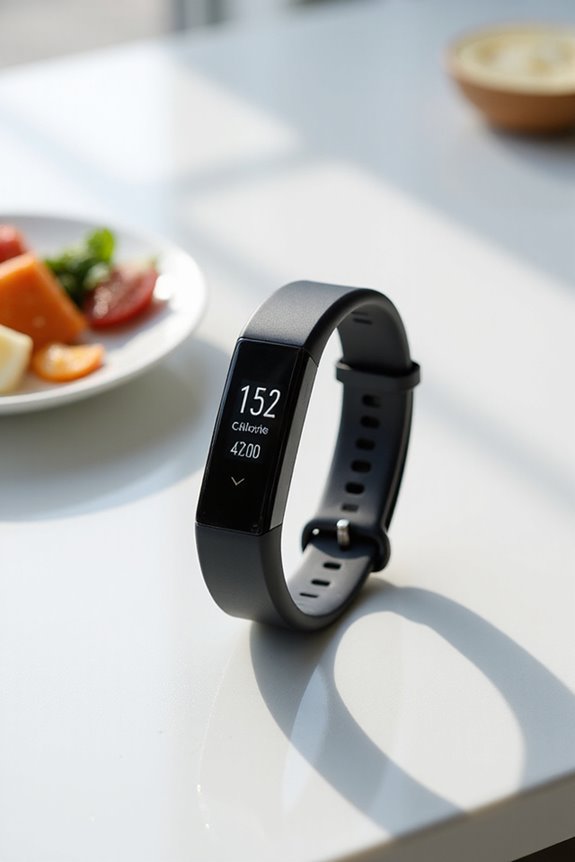
Calorie counts on fitness trackers can be a bit of a mixed bag. On average, they show moderate accuracy, with estimates typically ranging from 56% to 71% correct. However, errors can fluctuate wildly, from 18% to as high as 93%. Factors like individual body differences and activity types affect these counts. We should remember to update our personal information for the best results. If you’re curious about specific device performances and tips on usage, keep exploring!
Key Takeaways
- Fitness trackers provide calorie estimates with moderate accuracy, averaging between 56-71%, but can have error rates up to 93%.
- Individual factors like metabolism, muscle mass, and user behavior significantly affect the precision of calorie counts.
- Device performance varies, with brands like Apple Watch and Garmin showing differing reliability in calorie tracking.
- Cardio activities yield more accurate calorie counts, whereas strength training and low-intensity activities often lead to underestimations.
- Regularly updating personal metrics enhances accuracy, making user input critical for precise calorie tracking.
You may be interested


Recommended Products

PROFESSIONAL DIVE COMPANION - To satisfy diving enthusiasts for more fun exploration, SUUNTO Ocean provides a variety of optional dive modes, including freediving, snorkeling, mermaid diving, single and multigas diving with air & nitrox support. Compatible with the advanced Bühlmann 16 GF algorithm and wireless tank pod, the dive computer allows you to follow multiple tank pressure and gas consumption on watch in time, with mandatory alarms to ensure safety while diving.

Suunto Vertical 2 is designed for outdoor athletes and adventurers who demand more from their gear — long battery life, brighter screen, tougher hardware, and new features to guide their way
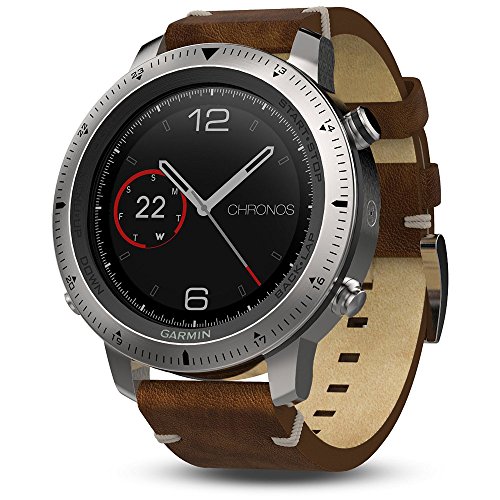
Premium multisport watch with durable stainless steel housing, a high-strength, scratch-resistant sapphire lens and a premium leather band
Overview of Fitness Tracker Accuracy
When it comes to fitness trackers, understanding their accuracy is essential for getting the most from our workouts. Most of these devices utilize accelerometers and optical heart rate sensors, so sensor reliability plays a vital role in data quality. Generally, heart rate measurements are fairly accurate, with less than 5% error, but calorie estimates can be trickier. These estimates depend heavily on user behavior, such as inputting accurate personal data like age and weight. Several studies reveal that fitness trackers can have an average error margin of 27% for calorie counts, and some may show errors as high as 93%. As a result, while they can provide useful trends, we need to remember their limitations in precision. Additionally, health monitoring capabilities are often tied to how well the device measures physical activity, impacting overall accuracy.
General Findings on Calorie Counting
Calorie counting with fitness trackers, while helpful, can often lead to misleading results due to their moderate accuracy. Most trackers, on average, show between 56-71% accuracy for calorie counts. However, there are significant calorie estimation challenges because errors can vary from 18% to 93%, depending on the device and context.
To address these inaccuracies, we can adopt some accuracy improvement strategies. Regularly updating personal metrics like age, weight, and activity levels can help enhance accuracy slightly. It’s also essential to take into account that individual factors, such as metabolism and muscle mass, aren’t fully accounted for. So while fitness trackers can guide us, they should not be relied upon for precise calorie measurement. Additionally, the accuracy of calorie counts can be influenced by sensor quality and placement, which varies between different devices in the market.
Recommended Products

Dual-Screen Console

Club-Quality Design for Home Use – Built with the same durable components found in premium gym equipment, engineered for quiet, comfortable, in-home performance.

Club-Quality Design for Home Use – Built with the same durable components found in premium gym equipment, engineered for quiet, comfortable, in-home performance.
Device-Specific Performance Comparison
Here is your revised article subheading content:
- Apple Watch
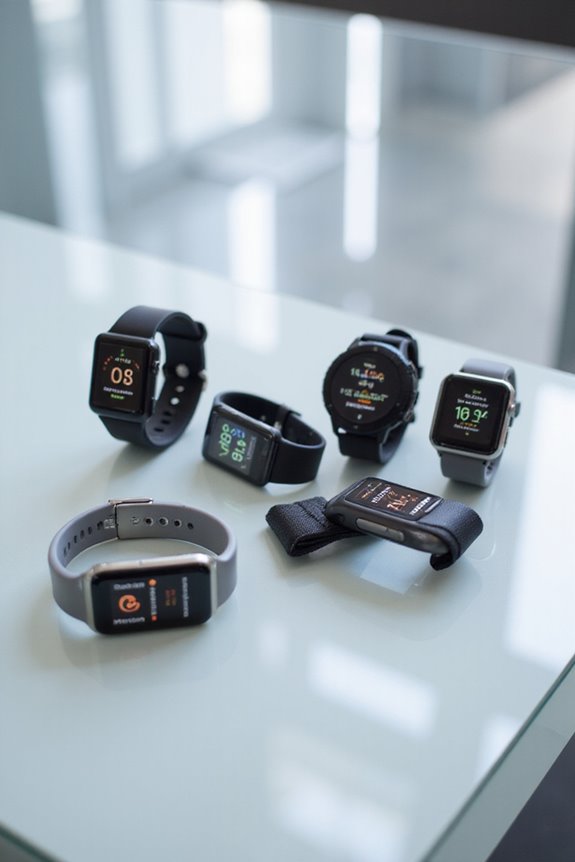
- Device advantages: Accurate for steady activities; users report a 10-30% margin of error. User experiences highlight better accuracy when personal data is updated. Additionally, the Apple Watch offers advanced health monitoring features that contribute to a more precise calorie estimation during workouts.
- Garmin
- Device advantages: Strong in step tracking and VO2 max; however, calorie estimates can vary. User experiences show inconsistency, especially at different speeds.
- Fitbit
- Device advantages: Reliable for step counting and heart rate, but struggles with calorie tracking. User experiences reveal widespread inaccuracies in energy expenditure.
Recommended Products
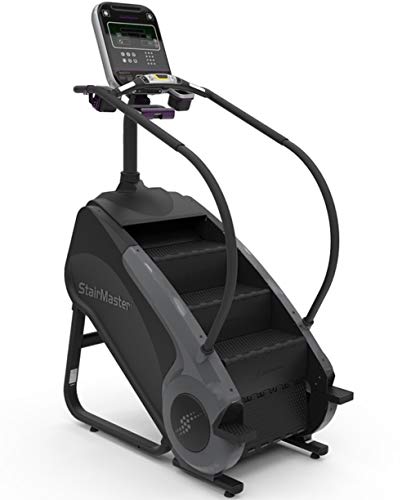
Real Stair Climbing Simulation: Revolving 8” steps closely mimic real stair climbing for an intense and effective cardio workout.
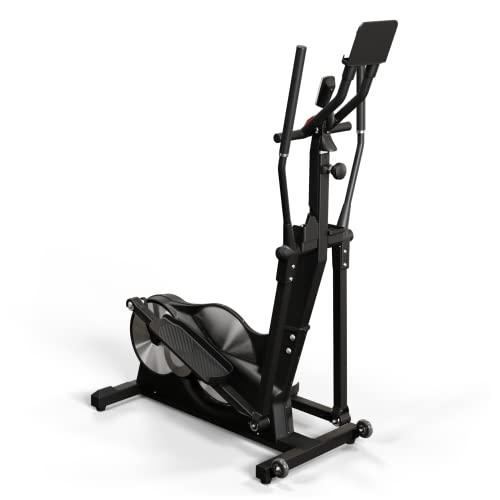
The M5i Strider ships via freight service, with delivery as close to your to your garage or front door as possible.

The X5 offers a natural elliptical motion and a total body workout
Understanding Technical and Algorithmic Limitations

Understanding the technical and algorithmic limitations of fitness trackers can really help us grasp why their calorie estimates aren’t always spot on.
- Fitness trackers usually rely on generalized algorithms, which can’t fully capture our unique metabolic variability.
- Factors like muscle mass, hydration, and stress play a significant role in our energy expenditure, yet many trackers overlook these nuances.
- Heart rate data can fluctuate based on various external influences, adding to estimation errors.
- Additionally, these devices may misinterpret non-exercise movements as activity, skewing calorie counts.
- We also face algorithmic bias, where our individual differences often lead to inaccurate calorie burn assessments.
- While updating personal data may slightly enhance accuracy, precision remains an ongoing challenge for fitness trackers.
- Devices often measure daily activities using simplistic metrics that don’t account for all the complex factors affecting calorie burn.
Impact of Activity Type on Accuracy

When it comes to the accuracy of calorie counts, the type of activity we choose greatly influences the results we see on our fitness trackers.
- Cardio activities, like running and cycling, show more accurate counts since heart rate closely aligns with calories burned.
- Strength training, however, presents challenges. Here, heart rate doesn’t always reflect true exertion, leading to underestimations.
- Activities like yoga or stretching often suffer from sensor limitations, as they involve low-intensity movements that trackers can miss.
- Mixing different activities in one session often results in activity variability, making calorie counts less precise.
- Additionally, the accuracy of calorie calculations can vary between models, as enhanced sensors improve activity tracking reliability for heart rate and calorie calculations.
Recommended Products

Features a stair stepper machine that fits right in with your workout equipment at home; Trains your legs step by step as you climb different levels of intensity from 1 to 15

Advanced, watch-style dive computer with 1.4” color sunlight-readable display (36% larger than previous model) in an elegant yet rugged design

Advanced, watch-style dive computer features a stunning 1.4” AMOLED display, scratch-resistant sapphire lens, 51 mm titanium bezel and optional titanium bracelet
Research Methodology Behind Accuracy Evaluations
Research methodology plays an essential role in evaluating the accuracy of calorie counts on fitness trackers. We rely on robust validation techniques, particularly indirect calorimetry, to measure actual calorie burn. Using metabolic carts in controlled settings allows for accurate comparison against tracker outputs.
- Participant Diversity: Incorporating a diverse range of participants is crucial. Historically, many studies focused on healthy individuals, leaving out groups like those with obesity.
- Methodological Rigor: This includes multi-activity testing to capture real-life usage patterns.
Consumer Guidance for Using Fitness Trackers
As we explore the features and benefits of fitness trackers, it’s important to recognize that while they can be valuable tools, we should approach their calorie count data with realistic expectations.
- Moderate Accuracy: Calorie counts have about 56.63% accuracy.
- Focus on Metrics: Trust steps and heart rate more; they’re more reliable at 68.75% and 76.35%, respectively.
- Brand Influence: Devices like the Apple Watch do lead with around 71.02% accuracy.
- Habit Monitoring: Use these devices to foster user motivation and monitor habits, rather than as perfect metrics.
Ultimately, viewing tracker data as guidance helps enhance the user experience, supporting our fitness journeys while managing expectations around precision.
Recommended Products

ADVANCED PERFORMANCE MONITOR: Sunny Health & Fitness’ most advanced performance monitor tracks: Speed, Avg Speed, Max Speed, Cadence (RPM), Avg Cadence, Max Cadence, Distance, Target Distance, Time, Calories, Race, Target Time, and Pulse.

Stunning CourseView Maps On Your Wrist: Immerse Yourself In This Garmin Golf Watch's 43,000+ Preloaded Courses From Around The World. The Garmin Approach S70 47MM Golf Watches For Men And Women Also Feature A Brilliant 1.2" AMOLED Display, Making Navigation On The Course A Breeze. Explore Each Hole With Vivid Clarity And Confidence.
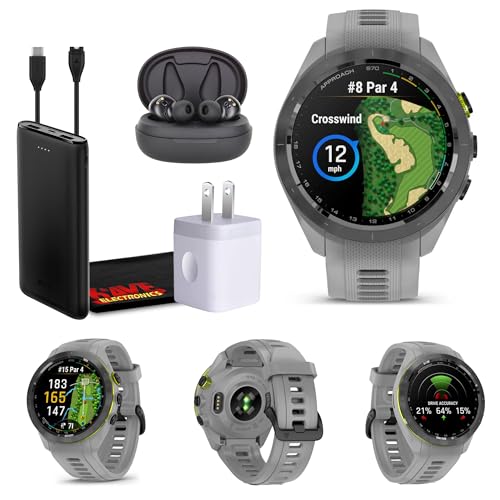
Stunning CourseView Maps On Your Wrist: Immerse Yourself In This Garmin Golf Watch's 43,000+ Preloaded Courses From Around The World. The Garmin Approach S70 42MM Golf Watches For Men And Women Also Feature A Brilliant 1.2" AMOLED Display, Making Navigation On The Course A Breeze. Explore Each Hole With Vivid Clarity And Confidence.
Calorie Counts: Estimates vs. Absolute Truths
Understanding the accuracy of calorie counts is key to making the most out of fitness trackers. While they can be motivating, we should be aware of calorie misconceptions. Fitness trackers provide estimates rather than precise calorie counts, with errors ranging from 27% to a staggering 93%. That’s a lot of room for inaccuracy!
Factors like activity type and personal attributes influence these estimates. For high-intensity activities, we might get better estimates, but still not exact figures. We should intentionally use these counts as guidance, helping us stay active and track our motivation.
Ultimately, precise calorie counting is tricky. Let’s focus on trends rather than absolute truths, allowing our activities to guide our fitness journey.
Future Directions in Fitness Tracking Technology
With advancements in technology shaping our fitness journeys, we’re witnessing a significant transformation in fitness tracking. Future innovations promise exciting wearable advancements that we’re enthusiastic to explore.
- AI Integration: Enhanced AI allows our wearables to become personal health coaches, offering tailored insights and real-time feedback.
- Improved Sensors: New technologies guarantee precise tracking of crucial metrics, enhancing data reliability.
- Ecosystem Connectivity: Wearables now seamlessly connect with health apps and professionals, making data sharing straightforward.
- Diverse Formats: From smart rings to biometric clothing and even smart glasses, we have more choices that suit our lifestyles.
These developments not only improve engagement but also enrich our overall fitness experiences as we look ahead to the future of fitness tracking.
Frequently Asked Questions
Can Fitness Trackers Help With Weight Loss Goals?
Fitness trackers can help with weight management by promoting calorie tracking, enhancing our awareness of activity levels, and motivating us to stay active. They’re effective tools when used alongside healthy lifestyle changes and realistic goals.
Are Calorie Counts Affected by Food and Drink Intake?
We can’t rely on calorie accuracy being influenced by food metabolism since fitness trackers mainly focus on physical activity. They don’t consider real-time food or drink intake, so their counts aren’t entirely reflective of our overall energy balance.
How Often Should I Calibrate My Fitness Tracker?
Just like tuning an instrument guarantees sweet melodies, regular calibration of our fitness trackers boosts accuracy assessments. We should calibrate frequently, especially after major changes or updates, to maintain the device’s precise performance.
Can My Fitness Tracker Resolve Discrepancies in Calorie Burn?
While our fitness tracker can provide insight into calorie accuracy, it can’t fully resolve discrepancies in calorie burn. We should embrace this technology for motivation, focusing on trends rather than exact numbers for better decision-making.
Are There Negative Effects of Over-Relying on Fitness Trackers?
While fitness trackers can enhance user experience, we risk mental health challenges with dependency issues. Fluctuating motivation and data accuracy can lead to unintentional lifestyle changes, often overshadowing the joy of authentic movement and self-awareness.