As an Amazon Associate, we earn from qualifying purchases. Some links on this site are affiliate links at no extra cost to you. Our recommendations are based on thorough research and editorial judgment.


Can Fitness Trackers Detect Irregular Heart Rhythms?

Yes, fitness trackers can detect irregular heart rhythms. They feature continuous heart rate monitoring and send alerts if an irregularity is noticed. For instance, devices like the Fitbit Sense 2 offer basic heart monitoring capabilities, including notifications of irregular rhythms. Many wearables boast impressive accuracy, with some reaching 100% sensitivity for detecting certain conditions. Users appreciate the ease of use and long battery life, making it convenient to track heart health daily. There’s more to discover about this technology!
Key Takeaways
- Fitness trackers often have continuous heart rate tracking and irregular rhythm notifications, aiding in early detection of potential heart issues.
- Advanced smartwatches exhibit high diagnostic sensitivity (100%) and specificity (around 95%) for various arrhythmias.
- Devices like the Fitbit Sense 2 offer ECG capabilities, enabling basic heart monitoring for users.
- Algorithms in fitness trackers can achieve 91% accuracy in arrhythmia detection when analyzed by healthcare professionals.
- While generally reliable, external factors and measurement errors can affect the accuracy of irregular rhythm detection in fitness trackers.
Overview of Fitness Trackers and Cardiac Monitoring
You may be interested

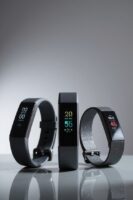

As we embrace new technology, fitness trackers have become increasingly popular for monitoring our heart health. These devices come equipped with impressive features that provide valuable insights into our cardiac wellness.
- Continuous Heart Rate Tracking: Most trackers monitor our heart rate in real-time.
- Irregular Rhythm Notifications: Some devices alert us to potential irregularities.
- ECG Capabilities: For example, the Fitbit Sense 2 allows for basic heart monitoring with its ECG app.
Using a fitness tracker can offer numerous cardiac health benefits, like raising awareness of heart health and encouraging more active lifestyles. Additionally, long battery life, such as the ScanWatch 2’s 30 days, means we can focus on our hearts without constant charging. Overall, these innovations enhance our ability to stay informed about our heart health. Furthermore, devices like the ECG-capable models generally offer clinical validation to enhance the accuracy of heart readings.
Accuracy of Smartwatches in Detecting Arrhythmias
When considering how accurately smartwatches detect irregular heart rhythms, one might wonder about the reliability of these devices. Smartwatch technology shows impressive potential in arrhythmia detection. Studies report a pooled diagnostic sensitivity of 100%, while specificity averages around 95%. However, it’s important to note that sensitivity can vary considerably based on the type of arrhythmia and the smartwatch used.
- For atrial fibrillation detection, accuracy is about 92.9% in older adults at risk for stroke.
- Real-world usability is reasonable, with an average wear rate of over 21 days.
These figures suggest smartwatches offer high diagnostic accuracy, making them practical tools for monitoring heart rhythms, while also highlighting areas for improvement in user experience. Additionally, the advanced health monitoring capabilities in devices like the Apple Watch Series 9 enhance their functionality in tracking potential heart issues.
Recommended Products
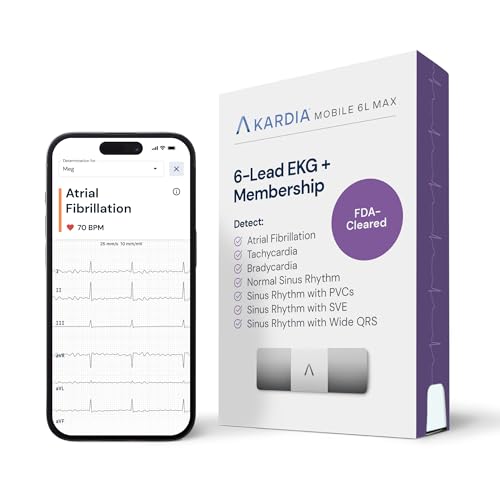
Accurate and detailed EKG results - Records a medical-grade, six-lead EKG and provides FDA-cleared determinations of your heart rhythm in just 30 seconds.

Government-Certified Smartwatch for Blood Pressure Monitoring – Approved by U.S., European, and Chinese Medical Authorities
Performance of Algorithms for Atrial Fibrillation Identification
In exploring the performance of algorithms for identifying atrial fibrillation (AF), it’s clear that these advancements in wearable technology pack a considerable punch.
- Many devices use novel algorithms that analyze pulse rate signals during inactivity, enhancing algorithm efficiency.
- These algorithms typically need at least 30 minutes of irregular rhythm sensing to suggest possible AF presence.
- For instance, Fitbit’s algorithm boasts a high positive predictive value of 98%, indicating strong performance across large populations.
- Other devices show varied sensitivity and specificity, with accuracy ratings differing considerably.
- Combining AI with traditional methods improves overall detection accuracy, with some studies reporting up to 91% accuracy when cardiologists review algorithm outputs.
- As these devices evolve, their ability to provide health monitoring capabilities such as heart rate tracking and sleep analysis is becoming increasingly vital for everyday users.
These features bring us closer to effective, user-friendly heart health monitoring.
Recommended Products

This Bundle Contains: 1 Garmin fenix 8 Premium Multisport GPS Running Smartwatch, 51 mm, Sapphire | SOLAR | Long-Lasting Battery Life | Carbon Gray DLC Titanium with Pebble Gray Band with Signature Series Charging Bundle + 1 Signature Series Charging Bundle
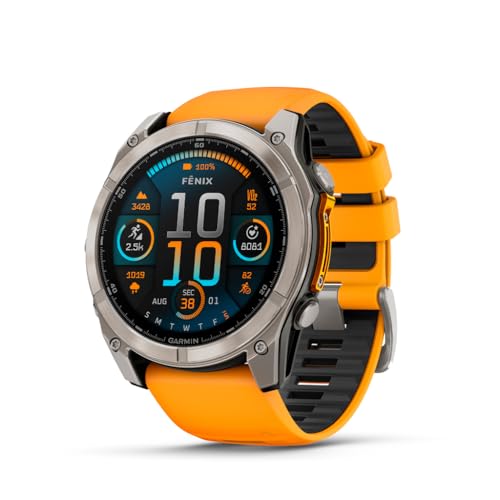
Advanced multisport GPS smartwatch for athletes/adventurers features a big, bright 1.4” AMOLED display with scratch-resistant sapphire lens, durable titanium bezel and a built-in LED flashlight for after- dark visibility

Multisport GPS watch with a 1.2” display in a resilient 42 mm fiber-reinforced polymer case with a steel or titanium bezel and rear cover
Limitations in Heart Rate Measurements During Arrhythmias
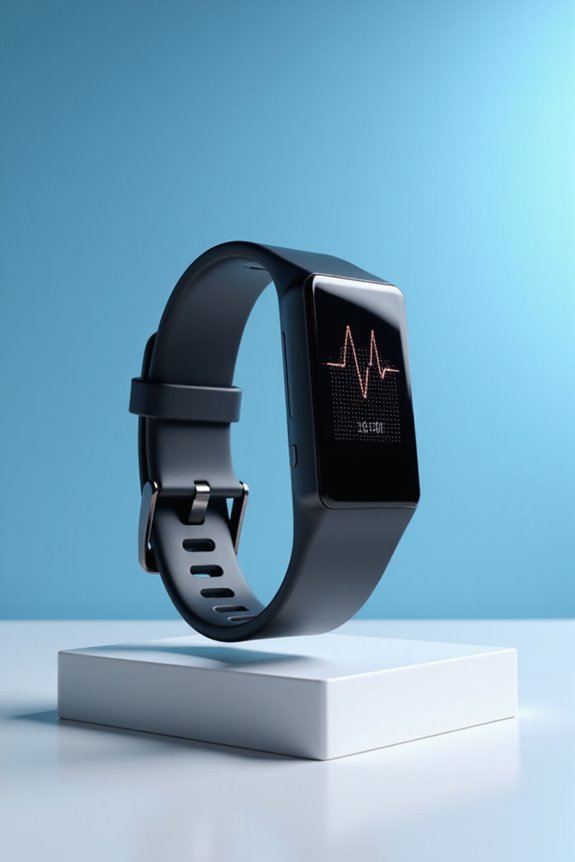
Recognizing the limitations in heart rate measurements during arrhythmias can help us understand why some consumer-grade devices struggle with accuracy.
- Measurement Errors: These devices often use a method called photoplethysmography, which can be confused by irregular heart rhythms. This can lead to inaccuracies.
- Device Calibration: Wearables typically rely on single-lead ECGs, offering limited insights compared to more advanced systems. When heartbeats don’t vary much, like in certain arrhythmias, the accuracy drops.
- External Factors: Motion, skin temperature, and lighting can further skew results, making it challenging to get reliable readings.
In the end, while these devices provide helpful information, we should be aware of their limitations during arrhythmias. Additionally, the accuracy of heart rate tracking can be influenced by high-precision sensors, which are commonly found in premium fitness trackers.
Recommended Products

Shows heart rate on large and easy-to-read display
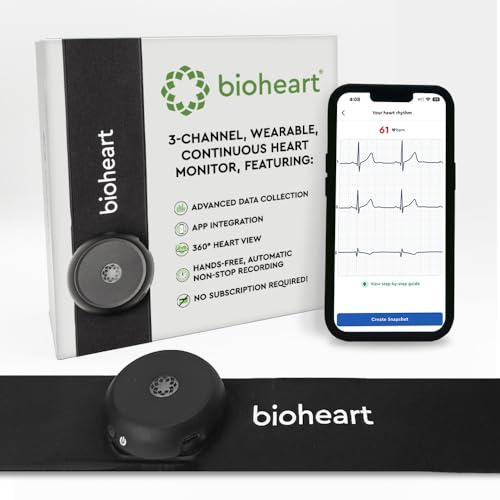
CONTINUOUS 24/7 HEART MONITORING: Capture every heartbeat, anytime, anywhere. Unlike spot-check devices, Bioheart provides uninterrupted, medical-grade insights for complete peace of mind.

Record and store ECG signals, and display heart rate for home health care use. There is no subscription or hidden cost required to use the device & app.
Variability in Detection Sensitivity and Specificity
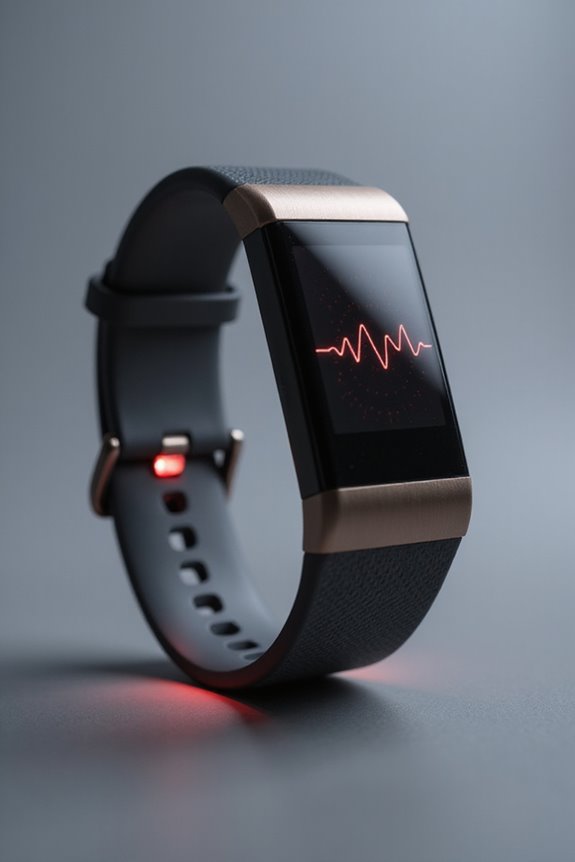
Understanding the variability in detection sensitivity and specificity is key to using fitness trackers effectively. Our fitness trackers show significant differences in how well they detect irregular heart rhythms. For instance, the sensitivity for detecting atrial fibrillation can vary from 25% to 100%, while specificity ranges from 68% to 100%. This detection variability comes from factors like the type of sensors used and how the algorithms perform under real-world conditions. Motion and heart rate can affect accuracy, especially during workouts. It’s also important to remember that individual devices may respond differently to user compliance and data collection methods. By understanding these aspects, we can better appreciate the capabilities of our fitness trackers in monitoring our heart health. Additionally, calibration may be necessary to ensure more precise readings from these devices.
Recommended Products

Garmin USA AUTHORIZED - Includes 2 YR Extended Protection in ADDITION to the Included Manufacturer Protection | Garmin Epix Pro (Gen 2), 42mm, Sapphire, Soft Gold Steel, Light Sand

Smartwatch with a bright, colorful display, stainless steel design, and built-in flashlight; up to 12 days of battery life gives a more complete picture of your health

U.S. MODEL CLARITY: This is the U.S. version GRVENU445SS with official Garmin support. Key features include a vivid AMOLED display, built-in GPS, flashlight, Body Battery energy monitoring, Sleep Coach guidance, advanced health tracking, and long battery life—so you know exactly which Venu 4 you’re ordering.
Capabilities for Monitoring Other Arrhythmias
When we explore the capabilities of fitness trackers in monitoring arrhythmias beyond atrial fibrillation, it becomes clear that these devices can provide valuable insights, even if their performance varies.
- Bradyarrhythmia Detection: Devices like the Apple Watch have shown reasonably high accuracy for diagnosing sinus bradycardia. However, their ability to identify more complex issues like AV blocks improves dramatically with additional lead recordings.
- Supraventricular Tachycardia: While detection rates for conditions like atrial flutter are relatively low with single-lead options, incorporating more leads can enhance sensitivity considerably.
User Experience With Wearable Heart Rhythm Monitors
User experience with wearable heart rhythm monitors can vary widely, but many users find these devices offer a blend of convenience and insight. Here’s what we’ve gathered from user feedback:
- Ease of Use: Devices like Fitbit and Apple Watch allow for unobtrusive continuous monitoring during daily activities, making it easier to track heart rhythms.
- User Satisfaction: Many users appreciate the long battery life and user-friendly apps, though some do report issues with accuracy during physical activity.
- Impact on Awareness: Users often feel more informed about their heart health, which can prompt timely consultations with healthcare providers.
- Challenges: However, false positives can create unnecessary concern, so it’s important to follow up with professionals for definitive readings.
Recommended Products

Advanced tactical GPS smartwatch features a 1.4” solar charged display, titanium bezel and sapphire lens and built-in LED flashlight for after-dark visibility

Advanced multisport GPS smartwatch for athletes/adventurers features a 1.4” solar charged display with scratch-resistant sapphire lens, durable titanium bezel and built-in LED flashlight for after-dark visibility
![Apple Watch Ultra 3 [GPS + Cellular 49mm] Running & Multisport Smartwatch w/Rugged Titanium Case w/Black Titanium Milanese Loop - M. Satellite Communications, Advanced Health & Fitness Tracking](https://m.media-amazon.com/images/I/51x8F3QDUWL._SL500_.jpg)
RUGGED AND READY TO GO—The ultimate sports and adventure smartwatch is built to last with an extremely tough titanium case and a strong sapphire crystal display. Water resistant up to 100m—it’s great for swimmers, divers, and fans of high-speed water sports.*
Future Directions for Integration in Clinical Practice
As we explore the future of integrating fitness trackers into clinical practice, it’s clear there’s a promising path ahead.
- Future Technologies: New algorithms using sensors can improve how we detect heart rhythms, especially irregularities like atrial fibrillation. This means we might catch issues earlier and more accurately.
- Clinical Partnerships: By teaming up with telehealth services, we can guarantee that patient data is shared quickly for timely evaluations.
These advancements allow us to monitor various arrhythmias, expanding the potential beyond just heart rhythm irregularities. Engaging large participant groups in studies shows that using wearables can increase diagnosis rates. As we pursue these integrations, we’re excited about the possibilities for enhanced heart health management in everyday life.
Frequently Asked Questions
Can Fitness Trackers Detect Irregular Heart Rhythms During Exercise?
While we’re interested in exercise monitoring, fitness trackers struggle with heart rhythm detection during workouts. Motion artifacts can compromise accuracy, so we should be cautious when interpreting results and consult professionals if needed.
How Do Fitness Trackers Compare to Traditional Heart Monitors?
Imagine a runner’s heartbeat pulsing like a rhythm. When we compare accuracy between fitness trackers and traditional monitors, we find that the advanced monitoring technology in chest straps offers unparalleled precision, while trackers provide convenient, albeit less accurate, insights.
What Are the Costs of Fitness Trackers With Arrhythmia Detection?
When we discuss cost comparison for fitness trackers, the pricing models vary widely. Budget-friendly options start under $100, while premium devices with arrhythmia detection can range from $250 to over $900, depending on features.
How Often Should I Wear My Fitness Tracker for Accurate Readings?
Like a lighthouse guiding a ship, our fitness tracker needs daily usage for ideal wear. To catch irregular rhythms effectively, we should aim for at least 12 hours a day, minimizing gaps for best results.
Can Fitness Trackers Store Heart Rhythm Data for Review by Healthcare Professionals?
Yes, fitness trackers can store heart rhythm data for our healthcare professionals. We should prioritize data privacy and guarantee health compliance when sharing this information, as it’s essential for accurate assessments and safe medical guidance.