As an Amazon Associate, we earn from qualifying purchases. Some links on this site are affiliate links at no extra cost to you. Our recommendations are based on thorough research and editorial judgment.


What Are The Best Nootropics?

When it comes to the best nootropics, we’ll find a mix of natural and synthetic options. Popular choices include Bacopa for memory, L-Theanine for calm focus, and Piracetam to enhance cognitive abilities. Many users appreciate Rhodiola for combating fatigue, while Ginkgo assists with memory in older adults. To optimize results, consider personalized stacks like Mind Lab Pro, which blend multiple ingredients for a thorough boost. Keep exploring to discover more about these intriguing cognitive enhancers!
Key Takeaways
- Bacopa is effective for memory enhancement and anxiety reduction, but benefits arise from consistent use over time.
- Ginkgo improves cognitive speed and memory, particularly beneficial for older adults.
- Piracetam is notable for enhancing memory in aging individuals, being one of the first racetams developed.
- L-Theanine promotes calm focus and may mitigate caffeine-induced jitters when combined with stimulants.
- Mind Lab Pro offers a comprehensive blend targeting overall cognitive performance, catering to diverse nootropic needs.
Overview of Nootropics
You may be interested



While many of us might be familiar with the term “nootropics,” it encompasses a variety of substances designed to enhance cognitive function. The nootropic history dates back to 1972 when Dr. Corneliu Giurgea coined the term. His criteria focused on cognitive enhancement, emphasizing memory, learning, and neuroprotection. Over time, the definition has broadened, now including a mix of prescription drugs and nonprescription supplements aimed at boosting brain performance.
Types of nootropics include:
- Prescription options like modafinil and Adderall
- Nonprescription options such as caffeine and creatine
Today, these brain boosters are popular among students and professionals looking to improve focus, alertness, and overall cognitive abilities. Understanding their origins and variations helps us appreciate their widespread appeal. Additionally, certain B complex vitamins, such as Jarrow Formulas B-Right, are recognized for their potential cognitive support, providing essential nutrients that play a role in brain health.
Commonly Researched Natural Nootropics

Bacopa Benefits
This herb can improve memory and reduce anxiety through neurotransmitter modulation, requiring consistent use for noticeable effects.
Ginkgo Efficacy
This widely studied plant has shown some benefits in memory and cognitive speed, particularly for older adults thanks to its antioxidant properties.
Phosphatidylserine Sources
Both phosphatidylserine and phosphatidylcholine support brain health, enhancing memory and mood while helping maintain cell membrane integrity.
L-Theanine Effects
Found in green tea, it promotes calm focus while reducing jitters caused by caffeine.
Rhodiola Applications
As an adaptogen, it helps combat fatigue and support cognitive function under stress, improving attention and memory in some cases. Research indicates that dietary food choices can significantly influence overall mental well-being.
Recommended Products
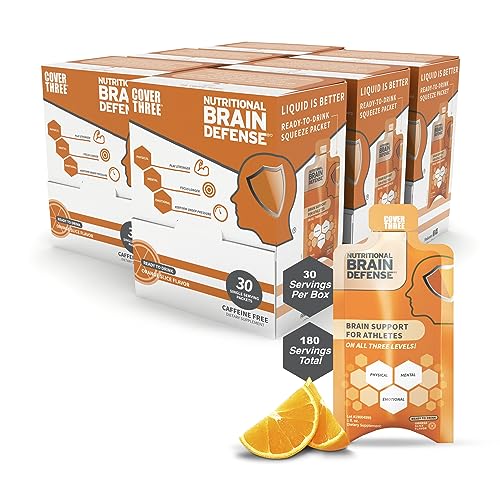
✔️POWERFUL BLEND OF SUPPLEMENTS: The Cover Three blend is packed with powerful natural supplements designed to help your brain thrive. We use Curcumin, Trans-Resveratrol, Omega-3 Fatty Acids (EPA and DHA), Uridine, Alpha GPC, and Vitamin C to help fortify your brain so it can heal, develop, and perform optimally.

PURE & NATURAL: Prescribed for Life Uridine powder is a pure, single ingredient source of uridine monophosphate. It contains no preservatives, fillers, or additives of any kind.

Elevate Your General Health and Well-being: Tailored to support your overall health, our 5-HTP powder, or 5-Hydroxytryptophan, is the perfect addition to any lifestyle. Packed with essential nutrients, they're designed to boost your general well-being, keeping you feeling your best day after day.
Synthetic and Semi-Synthetic Nootropics

As we explore synthetic and semi-synthetic nootropics, it’s clear that this category offers a range of options that can pique anyone’s interest in cognitive enhancement.
Synthetic Racetams
- Piracetam: The first widely recognized, it may aid memory, especially in aging individuals.
- Aniracetam: This fat-soluble racetam boosts cognition and may reduce anxiety.
- Oxiracetam: Known for improving focus and memory.
- Phenylpiracetam: A potent option linked to better cognitive function and stamina.
Semi-Synthetic Compounds
- Phenibut: A GABA analogue that helps with mood issues, though dependency risk exists.
- Alpha-Lipoic Acid: An antioxidant improving memory and brain health.
These synthetic and semi-synthetic nootropics present a diverse landscape for those curious about cognitive enhancement. Additionally, combining traditional wellness practices with modern approaches, similar to those found in The Encyclopedia of Herbal Medicine, can complement cognitive enhancement efforts.
Recommended Products

BRAIN FUNCTION SUPPORT: Citicoline has been clinically studied and shown to support attention performance in healthy adults and adolescents(1)

Brain Supplement for Memory & Focus – Nootropic designed to provide memory support, and promote concentration and cognitive health.

Memory, Focus & Brain Health: One 8-count bottle of Alpha BRAIN Black Label Premium Citicoline Brain Supplement, IGENTM certified to verify label claims about the presence of GMOs for trusted quality.
Mechanisms of Action

Understanding how nootropics work can be fascinating, especially since they tap into various brain systems to enhance cognitive performance. Their primary mechanism involves neurotransmitter modulation, optimizing chemicals like acetylcholine, dopamine, and GABA. This leads to improved memory, attention, and mood.
Key mechanisms include:
- Cholinergic system: Enhances memory through increased acetylcholine synthesis.
- Glutamatergic system: Promotes long-term connections between neurons for better learning.
- Dopaminergic pathways: Boosts motivation and cognitive flexibility.
- GABAergic modulation: Reduces anxiety and supports brain health.
- Enhanced bioenergetics: Improves energy supply to neurons, supporting overall brain function. Additionally, some nootropics are known to benefit vascular health, which can further support cognitive performance indirectly.
Popular Nootropic Stacks and Supplements

We can also benefit from personalized formulations; services like Thesis Nootropics tailor their stacks based on individual goals. Additionally, products like Mind Lab Pro offer extensive blends aimed at overall cognitive performance. With numerous choices available, we can find the ideal nootropic stack to suit our needs. Exploring evidence-based techniques can further enhance the effectiveness of nootropic use.
Recommended Products

Experience comprehensive cognitive and physical support with Alpha BRAIN and Total Human vitamin packs

Grab the ultimate nootropic stack to support cognitive functions, including memory, mental speed,, focus and extreme productivity.

INCLUDES 3 BOTTLES OF ALPHA BRAIN 3ct, for a total of 9 capsules.
Frequently Asked Questions
Can Nootropics Cause Dependency or Addiction?
Using nootropics can feel like walking a tightrope; while they offer cognitive boosts, we shouldn’t ignore the dependency risks and addiction potential they pose. Mindful use is essential to avoid losing our balance.
Are There Nootropics Suitable for Children or Adolescents?
We believe that prioritizing child safety is essential when considering nootropics for adolescents. The potential risks to cognitive development outweigh the benefits, so we should proceed with caution and seek professional guidance before exploring such options.
How Do Nootropics Interact With Prescription Medications?
When we consider how nootropics interact with prescription medications, we must be cautious of potential drug interactions that could compromise medication efficacy or lead to adverse effects. Consulting healthcare providers is key to ensuring safety.
What Are the Long-Term Effects of Using Nootropics?
When considering long-term effects of nootropics, we should be cautious. While some may promise cognitive enhancement, their long-term safety remains questionable, potentially leading to cognitive decline and other unintended consequences we can’t ignore.
Do Nootropics Have Effects on Mood or Emotional Well-Being?
We’ve seen that nootropics can lead to mood enhancement and emotional stability, particularly in acute settings. However, the effects can vary, and long-term impacts require more research for understanding their true potential in emotional well-being.


