As an Amazon Associate, we earn from qualifying purchases. Some links on this site are affiliate links at no extra cost to you. Our recommendations are based on thorough research and editorial judgment.


What Are Prebiotics?

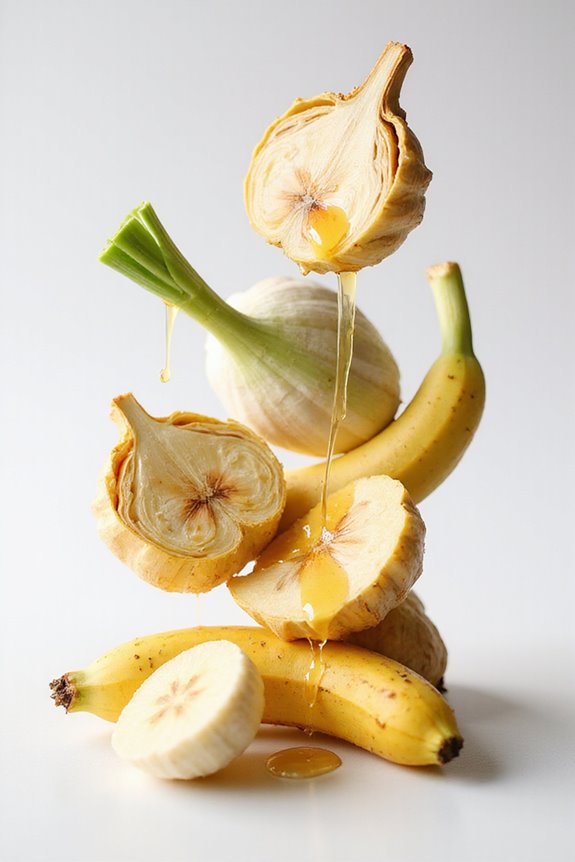
Prebiotics are special types of dietary fibers that help nourish the beneficial bacteria in our gut. They play an important role in promoting digestive health and overall well-being. Prebiotics can be found in various foods, like garlic, onions, and bananas. These fibers can help improve nutrient absorption, support a healthy immune system, and promote regular digestion. They’re a great addition to a balanced diet. If you’re curious about their specific benefits and natural sources, there’s more to explore ahead!
Key Takeaways
- Prebiotics are nondigestible food components that selectively stimulate beneficial gut bacteria, enhancing overall gut health.
- Common sources of prebiotics include chicory root, garlic, onions, bananas, and whole grains like oats and barley.
- They primarily consist of short-chain oligosaccharides, which reach the colon intact and promote beneficial microbial growth.
- Prebiotics have various health benefits, including improved digestion, enhanced calcium absorption, and better immune function.
- Their fermentation produces short-chain fatty acids, crucial for maintaining gut health and supporting a balanced microbiome.
Definition and Scientific Consensus on Prebiotics
You may be interested


When it comes to understanding prebiotics, we can see that defining them clearly is vital, especially as our knowledge grows. The International Scientific Association for Probiotics and Prebiotics (ISAPP) updated the prebiotic terminology back in 2017, focusing on their selective use by beneficial microorganisms. This distinction sets prebiotics apart from regular dietary fibers.
Originally coined in 1995, the term has evolved alongside microbiome research, with experts advocating for rigorous evidence supporting health benefits.
Importantly, prebiotics aren’t just for humans; animals, too, can benefit. This shared understanding helps standardize prebiotics and guarantees clarity in research, marketing, and regulatory practices, ultimately paving the way for exciting advancements in nutrition. This foundation is crucial as many top gut health supplements contain organic prebiotics to enhance the effectiveness of probiotics.
Recommended Products

The information below is per-pack only

𝐑𝐞𝐚𝐥 𝐖𝐡𝐨𝐥𝐞𝐟𝐨𝐨𝐝𝐬 𝐟𝐨𝐫 𝐂𝐨𝐦𝐩𝐥𝐞𝐭𝐞 𝐓𝐨𝐝𝐝𝐥𝐞𝐫 𝐍𝐮𝐭𝐫𝐢𝐭𝐢𝐨𝐧: Made with buckwheat, almonds, and tapioca, Else Nutrition offers a wholesome blend of ingredients that deliver complete nourishment. This plant based formula is made from 92% whole foods and includes over 20 essential nutrients. Ideal for those seeking a clean nutrition powder alternative to traditional options.

Chemical and Nutritional Characteristics

Understanding the chemical and nutritional characteristics of prebiotics can deepen our appreciation for their role in our diets.
- Chemical Structure: Prebiotics are primarily composed of short-chain oligosaccharides, like fructans and galactans. These mostly contain β-glycosidic bonds, which influence how they ferment in our digestive systems.
- Nutritional Value: They’re found naturally in foods such as garlic, chicory, and onions. While they resist digestion in the upper gut, they reach the colon intact, feeding beneficial microbes. Moreover, incorporating prebiotics can enhance blood sugar support as they may positively affect gut health, which is linked to metabolic functions.
As we consume prebiotics, their varying chain lengths and structures impact how they’re utilized by our gut bacteria. This not only supports their growth but also enriches our overall nutritional intake. Prebiotics truly pack a punch when it comes to diet!
Key Microbial Targets and Selectivity

Prebiotics play a fascinating role in shaping our gut’s microbial landscape. They work by selectively stimulating certain beneficial microbes, particularly targeting species like bifidobacteria and lactobacilli. However, research shows that their impact extends beyond these classics, enhancing microbial diversity by reaching other beneficial genera such as Propionibacterium, Faecalibacterium, Akkermansia, and Roseburia.
This selectivity is essential since prebiotics are designed to support specific bacteria while minimizing effects on others. Factors like the chemical structure and degree of polymerization influence this selective stimulation, allowing for effective fermentation by diverse gut microbes. Monitoring methods, such as in vitro gut models, help us understand these interactions and confirm that we’re supporting the right organisms for a healthier gut. Additionally, combining prebiotics with probiotics can lead to improved gut health by maximizing the benefits of both types of supplements.
Health Benefits and Physiological Effects
A diverse gut microbiome isn’t just about keeping certain bacteria happy; it also brings a wide array of health benefits that can enhance our overall well-being.
Here are some key benefits supported by prebiotic research:
- Improved Bone Health: Prebiotics may boost calcium and magnesium absorption, promoting stronger bones and reducing the risk of osteoporosis.
- Regulated Blood Sugar: They can improve insulin sensitivity and support better blood sugar control, which is valuable for managing our metabolism.
- Stronger Immune System: Prebiotics support beneficial bacteria, helping to enhance our immune responses and reduce inflammation.
- Better Digestion: They aid in digestion, supporting regular bowel movements and potentially alleviating gastrointestinal discomfort.
Incorporating prebiotics can play an essential role in our gut health and overall wellness. Studies suggest a strong link between gut health and emotional wellbeing, highlighting the importance of maintaining a balanced microbiome for better mental health outcomes.
Recommended Products

Enhance Food Textures: Improves texture and adds creaminess to dairy alternatives by mimicking fat mouthfeel. Can be incorporated into vitamin supplements, food, and beverages to boost nutritional value.

✅Complete Clean-Up Kit – Includes 2x Nano Scrub Liquid and 2x Cleanse Capsules for a thorough cleansing process.

Advanced Gut & Microbiome Support Formulado para complementar el bienestar digestivo y apoyar el equilibrio de la microbiota intestinal.
Natural Sources of Prebiotics

Vegetable Sources
- Chicory root and Jerusalem artichokes are rich in inulin.
- Asparagus and leeks promote healthy gut bacteria.
Fruit Sources
- Unripe bananas and apples support beneficial bacteria.
- Plantains are a great option for resistant starch.
Grain Sources
– Oats and barley provide prebiotic fibers beneficial for digestion.
Nut Benefits
– Almonds and pistachios contribute fiber and healthy nutrients.
Legume Varieties
– Chickpeas, lentils, and assorted beans add fiber to our meals.
Seed Options
– Flaxseeds and chia seeds are excellent for gut health.
Incorporating these natural sources of prebiotics not only enhances digestive health but also aligns with principles from natural healthcare methods to promote a holistic approach to overall well-being.
Using these food combinations can be a simple dietary strategy for happier guts!
Recommended Products

BLOOM BOOSTER - Provides a bioavailable blend of nutrition, delivering consistent nutrition for heavy flowers and rapidly growing plants

Used Book in Good Condition

Contains 27% prebiotic and dietary fiber providing High digestive tolerance
Food Applications of Prebiotics
Food applications of prebiotics offer us a practical way to enhance our diets with beneficial ingredients. These prebiotic formulations are commonly found in various foods, including:
- Cereals and Breads: Often fortified with inulin and fructooligosaccharides (FOS).
- Yogurts: Enhanced to promote digestive health.
- Pasta: Prebiotic-enriched options can improve cholesterol profiles.
Additionally, prebiotic fibers like galacto-oligosaccharides (GOS) can improve taste and texture without considerably adding calories. Low-FODMAP options such as wheat dextrin can reduce digestive discomfort while still delivering benefits. The integration of prebiotics in functional foods represents an exciting way to support our overall well-being naturally. By choosing these products, we can make simple yet impactful dietary changes!
Recommended Products

✔ 𝐏𝐥𝐚𝐧𝐭-𝐁𝐚𝐬𝐞𝐝 𝐀𝐥𝐭𝐞𝐫𝐧𝐚𝐭𝐢𝐯𝐞 𝐟𝐨𝐫 𝐓𝐨𝐝𝐝𝐥𝐞𝐫𝐬: Are you looking for a gentle toddler formula that is a lactose free, dairy free nutrition drink made for little ones aged 12–36 months? Made with over 80% real wholefoods including buckwheat, almond butter and coconut oil, it provides a clean, modern approach to early nutrition that families can trust.


Contains: 12 Boxes of Nature's Path Flax Plus Pumpkin Raisin Crunch Cereal, 12.3 ounces each
Classification Criteria and Mechanisms
When we explore prebiotics, understanding their classification criteria and mechanisms can really deepen our appreciation for these helpful compounds.
Prebiotic Classification
- Substrate: Must be selectively utilized by certain beneficial bacteria.
- Resistance: Should withstand stomach acidity and not be broken down by digestive enzymes.
- Degree of Polymerization: Typically has a polymerization of three or more, aiding efficacy.
Mechanisms of Action
- Microbial Fermentation: Prebiotics are fermented by specific microbial populations, enhancing growth and activity of beneficial microbes.
- Selectivity: Only a limited range of bacteria, such as Bifidobacteria and Lactobacilli, benefit from these compounds.
Through these criteria and mechanisms, we gain insight into how prebiotics positively influence our gut health.
Fermentation and Short-Chain Fatty Acids
Fermentation of prebiotics is an intriguing process that occurs primarily in our gut, leading to the production of beneficial compounds known as short-chain fatty acids (SCFAs). In our colon, gut bacteria, like *Bifidobacterium* and *Lactobacillus*, break down undigested prebiotics, creating SCFAs such as acetate, propionate, and butyrate. The fermentation dynamics depend on the chemical structure of the prebiotic, influencing both the types and amounts of SCFAs produced. Notably, different prebiotics yield distinct SCFA profiles. For example, cellulose fermentation tends to produce more butyrate compared to fructose-oligosaccharides. Overall, this process fosters a healthier gut environment, helping maintain a balance of beneficial bacteria while supporting our digestive needs.
Potential Impacts on Overall Health
Understanding how prebiotics can impact our overall health is fascinating. These compounds play a pivotal role in enhancing our digestion by improving nutrient absorption. This means we might absorb more calcium and magnesium, promoting bone health and helping regulate appetite hormones, which could assist in weight management.
Moreover, prebiotics support our immunity. By fostering beneficial gut bacteria, they help strengthen our immune responses and reduce inflammation in the body. This balance may also lower the risk of allergies and improve outcomes in inflammatory gut conditions.
In essence, prebiotics are not just about gut health; they have a far-reaching impact, positively influencing our overall well-being. Embracing foods rich in prebiotics can be an excellent step for many of us.
Regulatory Considerations and Marketing Claims
Maneuvering the landscape of prebiotics means we need to pay attention to various regulatory considerations and marketing claims. Prebiotics can be classified differently based on their intended use—this impacts what claims we can make.
Key Considerations:
- Regulatory Challenges: If marketed as dietary supplements, they must follow specific FDA guidelines, while those labeled as foods face different standards.
- Marketing Strategies: The FDA currently limits health claims related to gut health and fiber benefits, so we must be cautious in our advertising language.
Best Practices:
- Transparency is vital—accurate labeling helps maintain consumer trust.
- Voluntary guidelines encourage us to back up claims with solid evidence to avoid misleading consumers.
Understanding these factors is essential for effective marketing of prebiotic products.
Recommended Products

PRE-ALCOHOL: Feel better the day after drinking with ZBiotics Pre-Alcohol Probiotic Drink.

Pre, Pro & Postbiotics - GI PRIME combines prebiotics, probiotics, and postbiotics to support gut health. Featuring EpiCor®, IMMUSE™, ButyraGen™ and a 12 billion CFU spore probiotic blend, this formula promotes a balanced microbiota and immune function.*

PROBIOTIC SUPPLEMENT - GI Natural's clinically designed formulation contains a unique blend of prebiotics, probiotics, enzymes, and supportive nutrients for a healthy gastrointestinal mucosal tract.
Frequently Asked Questions
Can Prebiotics Cause Digestive Discomfort or Side Effects?
We’ve noticed that prebiotics can indeed cause digestive discomfort and side effects, like bloating and gas, particularly during initial use. Gradually introducing them may help us avoid these issues while still reaping their benefits.
How Can I Incorporate More Prebiotics Into My Diet?
Wondering how to sneak more fiber sources into our meals? Let’s explore delicious meal ideas, like adding garlic and onions to dishes or blending bananas into smoothies, to boost our overall gut health effortlessly.
Are Prebiotics Safe for Children and Pregnant Women?
When considering children’s health and pregnancy, we’re assured that prebiotic sources are generally safe. Incorporating them into our diets can support well-being, but it’s best to consult healthcare professionals for tailored advice.
Do Prebiotics Interact With Medications or Other Supplements?
We’ve found that prebiotic interactions can influence medication absorption, particularly for immunosuppressants, diabetes, and heart medications. It’s important to consult healthcare providers to guarantee safe and effective use alongside any critical medications.
How Long Does It Take to See Benefits From Prebiotics?
Imagine nurturing our gut garden; we’ll typically see digestive benefits sprout along the prebiotic timeline within 2 to 6 weeks. Consistent use is key for flourishing health, so let’s tend to it together!