As an Amazon Associate, we earn from qualifying purchases. Some links on this site are affiliate links at no extra cost to you. Our recommendations are based on thorough research and editorial judgment.


What Are Herbal Supplements?

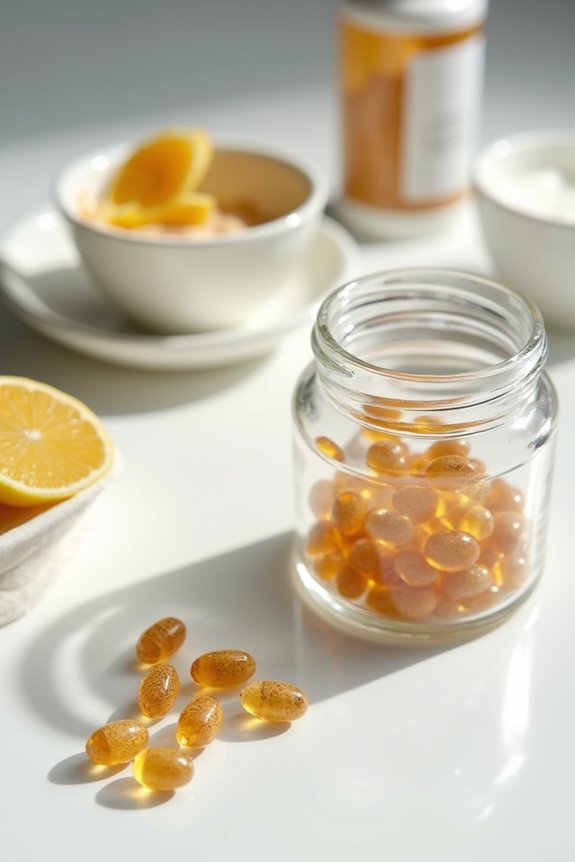
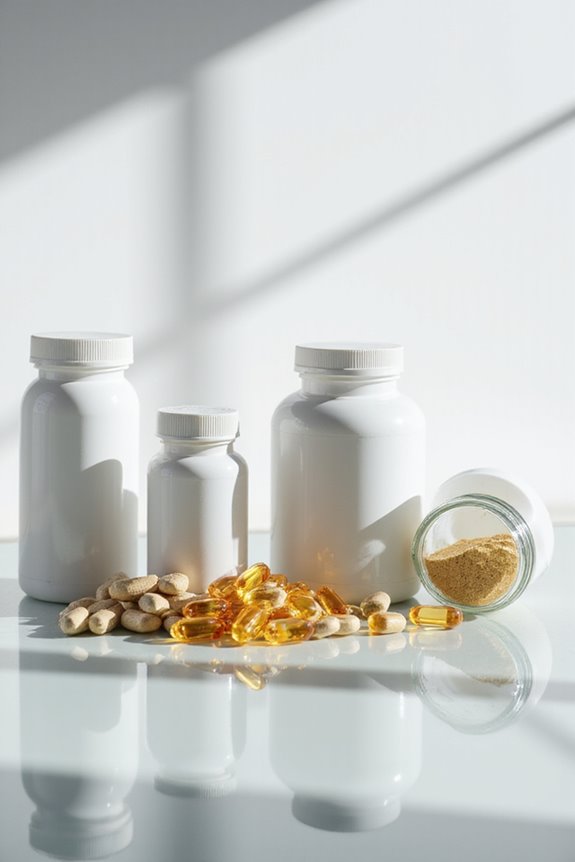
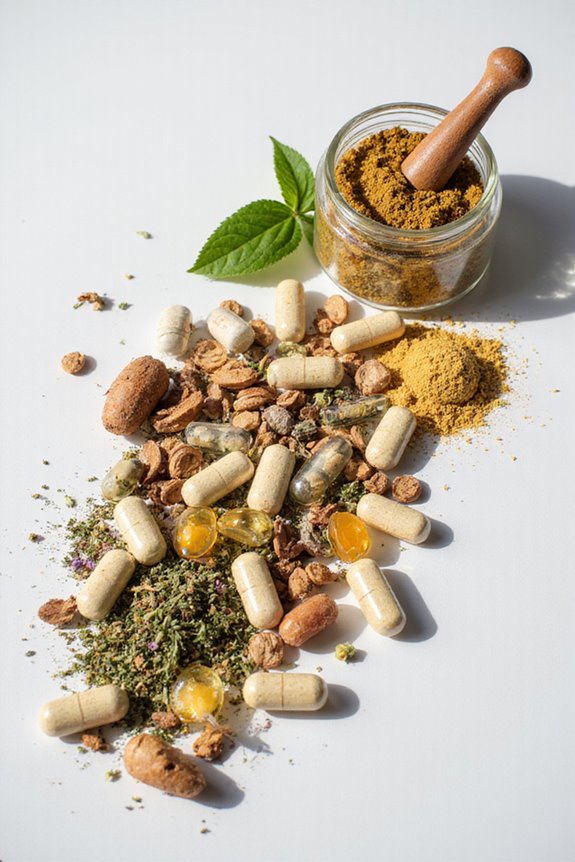
Herbal supplements are products made from plant parts like leaves, roots, and flowers. They come in forms such as capsules, powders, and teas, and are often used to boost wellness and fill nutritional gaps. Common examples include Echinacea for immunity and turmeric for its anti-inflammatory properties. While they’re popular, it’s important to know that these supplements aren’t as strictly regulated as medications. Stick with us, and you’ll uncover valuable insights about their benefits and safety.
Key Takeaways
- Herbal supplements are dietary products derived from natural plant components like leaves, roots, and flowers, aimed at enhancing nutrition.
- They are available in various forms, including capsules, powders, and teas, with required labeling to indicate their purpose and contents.
- Common herbal supplements include Echinacea, Ginseng, and Turmeric, each with unique health benefits and uses.
- The FDA oversees herbal supplements but does not require proof of safety or efficacy before they go to market.
- Herbal supplements may interact with medications, necessitating caution and awareness of potential risks and side effects.
Definition of Herbal Supplements
You may be interested

When we think about herbal supplements, it’s important to understand what they really are. These products come from herbs with herbal origins, including leaves, roots, and flowers. They’re not just any plant; they’re classified as dietary supplements designed to add nutrition to our diets. Often available in forms like capsules, powders, or teas, herbal supplements can contain single herbs or combinations for potential benefits.
Here are some key points to evaluate:
- Derived from natural plant components
- Classified under dietary supplements
- Require labeling to clarify their purpose
- Not as tightly regulated as pharmaceuticals
- Some herbal supplements may offer immune support nutrients similar to those found in multivitamins.
These classifications help us know exactly what we’re consuming, highlighting the various ways herbal supplements can fit into our lives.
Common Herbal Supplements and Their Uses

As we explore the world of herbal supplements, we’ll find a diverse selection of options that people often turn to for various reasons.
- Echinacea benefits: Many use this to support the immune system and shorten colds. It’s mostly found in teas or capsules.
- Ginseng types: Available as Asian or American ginseng, it’s popular for boosting energy and cognitive function.
- Garlic uses: Widely recognized for promoting cardiovascular health, it’s consumed raw or as powders.
- St. John’s Wort: Often sought for mild mood support, though it can interact with medications.
- Turmeric effects: Known for its anti-inflammatory properties, it helps manage discomfort and is commonly consumed with black pepper.
Additionally, dietary changes focusing on natural foods can also support overall wellness, including lifestyle factors that influence health.
Recommended Products

DAILY IMMUNE SUPPORT YOU CAN TRUST: Support your body’s natural defenses with Immuneheal, a thoughtfully formulated supplement designed to complement your daily wellness routine. This adaptogenic blend helps maintain overall balance and supports immune health as part of a healthy lifestyle, especially during seasonal changes or periods of increased stress.

COMPREHENSIVE LYMPHATIC DRAINAGE SUPPLEMENTS: Lymph System Support combines powerful botanicals like Bromelain, Dandelion Root Extract, Burdock Root, and Echinacea Extract to support healthy lymphatic system function, natural detoxification pathways, and overall fluid balance.*

ALL NATURAL HERBAL FORMULA: Nerbetoxa has a wealth of expertise in herbal supplements, with a global team of herbalists who are passionate about harnessing the natural power of herbs for your well-being. In medieval Europe, Cleavers were extensively used to promote lymphatic circulation, while Echinacea was employed to boost immunity. Our powerful blend is dominated by Cleavers and Echinacea, supplemented by eight other potent herbs that support a healthy lymphatic system.
Potential Health Benefits

Exploring the potential health benefits of herbal supplements opens up a world of possibilities for those looking to enhance their well-being. Many people find that herbs like ashwagandha help manage stress and may even reduce anxiety. Additionally, it is understood that certain supplements can target specific conditions. For instance, black cohosh may ease menopausal symptoms, while St. John’s wort shows some promise for mild depression.
Moreover, herbal ingredients like curcumin from turmeric support immune modulation by lowering inflammation and enhancing antioxidant production. However, we should keep in mind that the effectiveness can vary, and further research is necessary. While exploring herbal options, consider their potential in combination with omega-3 fatty acids, which are known to support heart and joint health. Overall, herbal supplements invite us to explore new avenues for supporting our health.
Recommended Products

Rich in Natural Nutrients: Step into a world where every serving is a treasure chest of essential nutrients sourced directly from nature. Our Rhodiola Rosea Extract powder, or Rhodiola Root powder, harness the earth's bounty, providing you with the essential nutrients required for a flourishing overall health and well-being.

This is a Highest Strength Alcohol-based liquid extract.
Regulatory Framework and Safety Considerations

Understanding the regulatory framework surrounding herbal supplements is essential for anyone interested in these products. In the U.S., the FDA regulates these supplements under the Dietary Supplement Health and Education Act (DSHEA). However, manufacturers aren’t required to prove safety or efficacy upfront.
Here are some key points regarding regulatory challenges and safety monitoring:
- The FDA oversees manufacturing and labeling but mainly relies on voluntary reporting for safety after products hit the market.
- The FTC guarantees advertising claims aren’t misleading, while the USDA manages organic labeling.
- Adverse effects from some herbal products raise concerns, necessitating ongoing research for safety monitoring.
- As with many health products, having an understanding of safety monitoring practices ensures consumers can make informed choices.
Ultimately, while there’s oversight, consumers should remain cautious and informed when considering herbal supplements.
Forms and Dosing Variability

When it comes to herbal supplements, we find ourselves faced with a wide array of forms that can suit different preferences and lifestyles. Here are some common options:
- Capsule Forms: Offer precise dosages for easy consumption.
- Herbal Powders: These can be mixed into liquids, giving us flexibility in dosing. They may dissolve quickly, improving absorption.
- Liquid Extracts: Often provide higher bioavailability than capsules or powders, especially if they use oil-based carriers.
Dosing accuracy can vary greatly among these forms. For example, teas and tinctures depend on preparation methods, which can affect their effectiveness. With herbal powders, we may need measuring tools for accurate dosages. Overall, understanding the differences can help us choose the best option for our needs. Additionally, specific herbal supplements may contain 20 active ingredients, enhancing their potential benefits.
Recommended Products

𝗘𝗳𝗳𝗼𝗿𝘁𝗹𝗲𝘀𝘀 𝗗𝗮𝗶𝗹𝘆 𝗪𝗲𝗹𝗹𝗻𝗲𝘀𝘀 𝗶𝗻 𝗟𝗶𝗾𝘂𝗶𝗱 𝗙𝗼𝗿𝗺: NutroTonic Authentic Himalayan Pure Shilajit Liquid drops offer a convenient, mess-free way to integrate shilajit into your daily routine. Each serving of our organic shilajit drop supports gut, brain, and cellular health. The liquid format ensures faster absorption and maximum bioavailability compared to capsules or powders.

This is a Highest Strength Alcohol-based liquid extract.
Demographics and Usage Patterns
Demographics and usage patterns around herbal supplements reveal interesting insights about who’s using these products and why. We see a notable trend in younger demographics, particularly Millennials and Gen Z, who are increasingly embracing these remedies. They prioritize health, clean living, and sustainability, which reflects a significant generational shift.
Key points include:
- Growing Market: The herbal supplements market is set to grow from USD 42.33 billion in 2026 to over USD 90 billion by 2033.
- Common Preferences: Products for immune support, stress relief, and digestion are particularly popular among young users.
- Cultural Influence: Awareness of traditional health systems, like Ayurveda, is spreading, enhancing appeal among diverse consumers globally.
These shifts show a dynamic landscape in herbal product usage!
Interactions and Risks
Herbal supplements can offer various benefits, but it’s important for us to recognize that they may also interact with medications we take. These interactions can occur through various mechanisms, like influencing our body’s ability to process drugs. For example:
- St. John’s wort can lower drug levels, risking treatment failure.
- Ginkgo biloba may increase bleeding risks with anticoagulants.
- Goldenseal might raise prescription drug levels, leading to potential toxicity.
Conducting a careful risk assessment with herbal products is essential. With about 47% of hospitalized patients having potential herb-drug interactions, awareness is key. Herbal combinations can affect everyone differently, especially those using multiple medications or older adults whose bodies process substances differently. Let’s be mindful and informed about these risks.
Recommended Products



Immune Support: Supports a healthy immune system response*
Importance of Consulting Healthcare Professionals
How can we guarantee the safe use of herbal supplements in our daily routines? By consulting healthcare professionals, we can enhance our safety and confidence in using these products. Professional guidance plays a vital role in evaluating our individual health needs and ensuring safe usage.
- They help identify potential interactions with prescription medications.
- Providers encourage open discussions about our supplement choices during medical visits.
- Personalized consultations consider our health history and lifestyle, offering tailored recommendations.
- Regular follow-ups allow adjustments to our herbal plans as needed.
Recommended Products
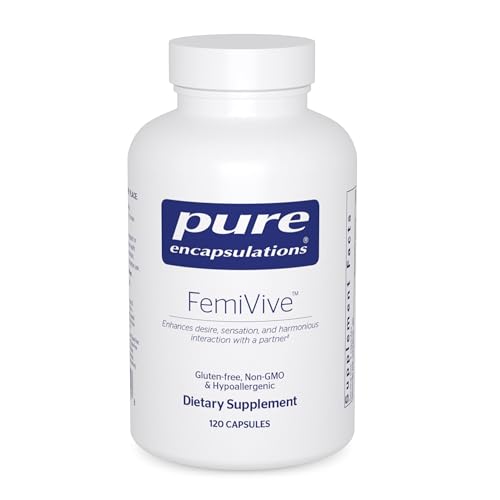
Women's Health Capsules: FemiVive is a dietary supplement designed for women's wellness and satisfaction*
![[(Herbal Healing for Children)] [Author: Demetria Clark] published on (November, 2010)](https://m.media-amazon.com/images/I/51PUxaVadLL._SL500_.jpg)
Frequently Asked Questions
How Are Herbal Supplements Different From Prescription Medications?
When we compare herbal supplements and prescription medications, we notice differences in regulatory oversight, efficacy, and safety concerns. Herbal options often lack stringent safety evaluations, leading to variability that can impact their overall effectiveness.
Can Herbal Supplements Be Used During Pregnancy?
When it comes to using herbal remedies during pregnancy, we can’t stress enough the safety concerns involved. Many products lack regulation, making potential risks significant. Let’s always consult healthcare providers before considering any herbal options.
What Is the Shelf Life of Herbal Supplements?
When we consider expiration dates, understanding storage conditions is key. Properly stored herbal supplements can last from months to years, so let’s make sure we keep them in cool, dark, and dry places for maximum potency.
Are Herbal Supplements Effective for Children?
Over 50% of young children in the U.S. use dietary supplements, raising safety concerns. While some parents believe they boost child health, the effectiveness of herbal supplements often lacks solid evidence and could pose risks.
How Should Herbal Supplements Be Stored Properly?
When storing herbal supplements, we need to use opaque storage containers and maintain temperature control. Keeping them in cool, dry, and dark places helps preserve their potency and guarantees we get the most benefit from them.