As an Amazon Associate, we earn from qualifying purchases. Some links on this site are affiliate links at no extra cost to you. Our recommendations are based on thorough research and editorial judgment.

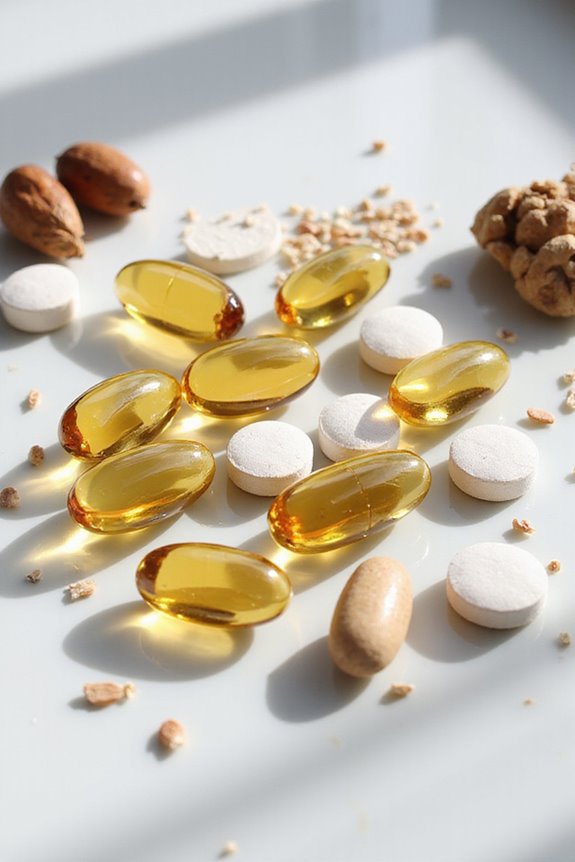
Can Supplements Help With High Cholesterol?

Supplements can help manage high cholesterol, but their effectiveness varies. We’ve seen options like garlic, red yeast rice, and omega-3s potentially support our cholesterol levels. While some studies show these might lead to modest reductions, they’re not as powerful as statins. It’s essential for us to evaluate a balanced approach, combining supplements with lifestyle changes like eating better and being active. If you’re curious about which supplements may work best for you, there’s more to explore.
Key Takeaways
- Dietary supplements like red yeast rice and omega-3s may aid in managing cholesterol levels but often have modest effects compared to statins.
- Garlic supplements, flaxseed, and plant sterols can contribute to lowering LDL cholesterol when included in a balanced diet.
- Supplement effectiveness varies; many show limited LDL reduction, highlighting the importance of lifestyle changes alongside their use.
- Risks associated with some supplements, like red yeast rice, should be considered, as they can cause muscle pain or liver issues.
- Consultation with a healthcare professional is essential before starting any supplement for cholesterol management to ensure safety and efficacy.
Understanding Cholesterol and Its Health Impact
You may be interested


When we talk about cholesterol, it’s essential to highlight that it’s not a one-size-fits-all topic. Cholesterol comes in different types, primarily HDL and LDL. HDL is known as “good” cholesterol, helping carry cholesterol back to the liver for removal. On the other hand, LDL is often termed “bad” cholesterol, as it can lead to plaque formation in arteries, contributing to health concerns. This balance between the types of cholesterol matters for our overall health. High levels of LDL can promote plaque buildup, increasing the risk of heart-related issues. Understanding these cholesterol types allows us to make informed lifestyle choices, ensuring our cholesterol levels stay in a healthy range, which is vital for maintaining good heart health. Additionally, quality standards for supplements can play a role in supporting cardiovascular health and managing cholesterol levels effectively.
Overview of Dietary Supplements and Cholesterol

Dietary supplements can be an invaluable part of a strategy to manage cholesterol levels. Many of us may find ourselves exploring various dietary trends that promise improvement. Popular options like garlic supplements, red yeast rice, and phytosterols are known for their potential to support cholesterol management. Addressing cholesterol myths, it is crucial to remember that these supplements aren’t magic solutions but can play a role alongside healthy lifestyle choices.
For example, artichoke leaf extract has shown promise in some studies, while flaxseed and beta-glucans are also frequently discussed. Each supplement offers unique properties, like enhancing bile acid excretion or reducing intestinal cholesterol absorption. Ultimately, our approach should be balanced, integrating supplements thoughtfully rather than relying solely on them. Incorporating omega-3 sources can also enhance overall cardiovascular health.
Recommended Products

✔️ PREMIUM QUALITY: Blue Spirulina Powder by Food to Live is a premium quality fine powder, It is also Kosher superfood. Moreover, its free of trans-fat and cholesterol.

Rich in Natural Nutrients: Step into a world where every serving is a treasure chest of antioxidants and essential nutrients sourced directly from nature. Our Ginseng Extract powder, or Ginseng supplement, harness the earth's bounty, providing you with the essential nutrients required for a flourishing overall health and well-being.

Active Form of Vitamin K: This vitamin K2 MK-7 is a single dietary ingredient formula that provides vitamin K2 as naturally derived MK-7 for cardiovascular health
How Effective Are Supplements in Reducing Cholesterol Levels?
Supplements often catch our attention as potential tools for managing cholesterol levels. However, the truth about their effectiveness might surprise us. Recent studies, including a 2022 trial at Cleveland Clinic, show that common supplements didn’t considerably lower LDL cholesterol compared to a placebo. Statins, on the other hand, reduced LDL levels by an impressive 37.9%.
While some cholesterol myths suggest that any supplement can provide substantial benefits, we find that only certain dietary changes, like incorporating soluble fibers and soy foods, show modest cholesterol-lowering effects. It’s clear that the supplement efficacy isn’t as robust as we’d hoped when pitted against proven medications. In short, we should approach supplements with cautious optimism and realistic expectations. Additionally, certain supplements, such as Omega-3 fish oil, have been shown to support heart health and may indirectly aid in managing cholesterol levels.
Recommended Products

Grown in biodiverse environment using sustainable organic methods in India, 100% USDA Certified Organic

EXCELLENT SOURCE OF FIBER: Soluble fiber from foods such as psyllium seed husks, as part of a diet low in saturated fat and cholesterol, may reduce the risk of heart disease.
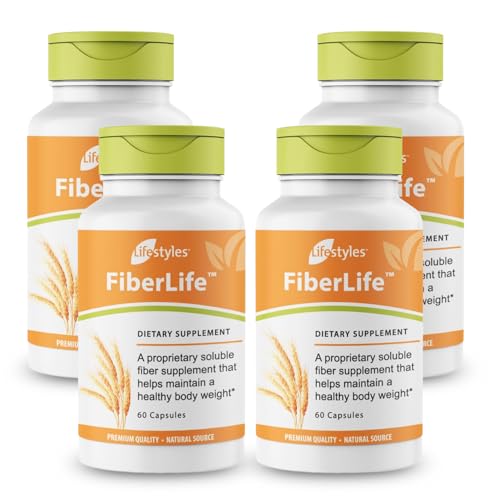
HIGHLY VISCOUS FIBER BLEND – FiberLife is a premium dietary fiber supplement. Formulated with natural ingredients like Konjac Glucomannan, Guar Gum, Xanthan Gum, and Cinnamon Extract to promote digestive health and overall wellness.
Popular Supplements for Cholesterol Management

Managing cholesterol levels can feel overwhelming, but we’ve got a variety of popular supplements to evaluate that may help along the way.
- Psyllium benefits include fiber that helps lower LDL cholesterol when taken daily, usually around 5 to 10 grams.
- Plant sterols, found in nuts and soy, can reduce LDL by up to 10% when consumed in fortified foods or as capsules.
- Vitamin D may lower LDL and triglycerides, especially in those deficient.
- Red yeast rice offers a natural way to reduce LDL markedly.
- Coenzyme Q10 might help alleviate muscle discomfort from statins, while garlic effects show slight cholesterol reductions.
- Finally, soy protein, when used instead of animal proteins, can also contribute positively.
Additionally, omega-3 supplements, such as those from high-quality fish sources, may support overall heart health and promote better cholesterol levels. Each has distinct features, making them worth exploring.
Recommended Products

𝗡𝗔𝗧𝗨𝗥𝗘'𝗦 𝗔𝗡𝗧𝗜𝗢𝗫𝗜𝗗𝗔𝗡𝗧: Citrus bergamot contains powerful polyphenol antioxidants that support metabolic health


POWER OF ONION WITHOUT THE ODOR: Black Onion is a premium health supplement made of fermented onion to enhance effectiveness while reducing strong odors and toxicity
Mechanisms of Action for Effective Supplements

When it comes to understanding how effective supplements work for cholesterol management, it helps to explore their various mechanisms of action.
- Plant Sterols: These substances help reduce cholesterol absorption in the intestines, lowering overall cholesterol levels.
- LDL Receptors: Some supplements, like berberine, boost the expression of LDL receptors, enhancing the body’s ability to clear LDL cholesterol from the bloodstream.
- Cholesterol Synthesis: Certain compounds inhibit cholesterol production enzymes, decreasing the amount of cholesterol made by the body.
- Bile Acids: Supplements can promote bile acid excretion, compelling the liver to use more cholesterol for bile, thereby reducing circulating levels.
- Cellular Signaling: Some ingredients activate pathways that not only lower cholesterol synthesis but also enhance cholesterol uptake, helping balance cholesterol levels effectively. Additionally, certain immune booster supplements contain ingredients that can have a positive impact on heart health.
Comparing Supplements and Statin Medications
In considering our options for managing cholesterol, it’s vital to weigh the benefits of supplements against those of statin medications. While some people look for statin alternatives, it’s important to understand that statins greatly reduce LDL cholesterol levels, outperforming common supplements like fish oil and garlic.
- Statins have proven effective in lowering cardiovascular risks.
- In contrast, supplements often fail to provide the same level of benefit.
- Many cholesterol myths lead individuals to trust supplements as a primary solution, but evidence shows they may not be reliable.
Education on the efficacy of statins can enhance adherence and address concerns about side effects, helping us make informed choices regarding our cholesterol management.
Recommended Products

3X BETTER ABSORPTION THAN REGULAR CoQ10: Clinical trials have proven that no other CoQ10 supplement absorbs better than Qunol. In fact, Qunol Ultra absorbs 3X better than regular CoQ10


Limitations and Duration of Supplement Effects
Understanding the limitations and duration of supplement effects on cholesterol levels is essential for anyone considering these options.
- Many common supplements, like fish oil and garlic, often show modest impacts on cholesterol metabolism.
- A 2022 study found no significant LDL reduction after 28 days among various heart-health supplements.
- While some individuals may see effects over longer durations, the reality is that many supplements require weeks to months for any visible changes.
- The reductions observed typically range from 12-30%, and even then, may not be clinically significant compared to statins, which work much faster.
- Currently, research lacks clarity on the long-term effectiveness of many options, making it difficult to fully rely on them for cholesterol management.
Safety and Potential Adverse Effects of Supplements
As we wrap up our discussion on the limitations of cholesterol supplements, it’s also important to take into account safety and the potential adverse effects that can come with their use.
Safety Concerns
- Red yeast rice contains monacolin K, similar to statins, leading to muscle pain and liver issues.
- It may also be contaminated with citrinin, harmful to kidneys.
Risks with Niacin
– Niacin can cause high blood sugar and cardiovascular risks. Overuse may lead to inflammation that spikes heart attack rates.
General Adverse Effects
- Popular supplements often show no significant LDL reduction.
- Quality control issues can lead to gastrointestinal troubles or allergic reactions.
Considering these factors, it’s essential we weigh the risks and benefits before using any supplement.
Recommendations for Supplement Use in Hypercholesterolemia
When considering the role of dietary supplements in managing high cholesterol, it’s vital to keep a few key points in mind. First, supplements shouldn’t replace lifestyle changes or prescribed medications. They can be used alongside, potentially offering mild benefits.
- Supplement Efficacy: Evidence often shows statins outperform supplements like fish oil or garlic in lowering cholesterol.
- Dosage Guidelines: If we choose to take these supplements, it’s important to follow recommended amounts—this guarantees safety and helps achieve some potential effects.
Bergamot and red yeast rice might show promise, but we need more research. Always consult a healthcare professional before starting any supplement regimen to verify it’s appropriate for our situation.
Recommended Products

The information below is per-pack only

Powered by C15:0 (pentadecanoic acid): These healthy aging supplements feature the first essential fatty acid to emerge in over 90 years, with 3x more cellular benefits than pure omega-3 (EPA)*

IFOS CERTIFIED, ULTRA PURE WILD FISH OIL - independently tested and certified by IFOS for mercury, PCBs and dioxins. Sustainably sourced from Friends of the Sea using wild Pacific anchovies and purified to the highest standards for safety and quality*
The Role of Lifestyle Changes in Cholesterol Management
Lifestyle changes play a pivotal role in managing cholesterol levels, serving as a foundation for overall heart health. By engaging in effective lifestyle modifications, we can achieve significant cholesterol reduction. Here are some practical steps we can take:
- Diet Adjustments: Reduce saturated fats from red meat and full-fat dairy, and include more fruits, vegetables, and whole grains for fiber. Omega-3s from fish and nuts can also help.
- Physical Activity: Aim for at least 150 minutes of moderate aerobic exercise each week. Activities like walking or cycling make a difference.
- Weight Management: Maintaining a healthy weight supports lower LDL levels.
- Other Habits: Quitting smoking and managing stress can enhance our efforts.
Frequently Asked Questions
Can I Take Cholesterol Supplements With My Current Medications?
When considering cholesterol supplements with your current medications, we should prioritize safety. It’s crucial to evaluate potential drug interactions and consult our healthcare provider to guarantee safe and effective management of our cholesterol levels.
Are There Any Specific Diets That Enhance Supplement Effectiveness?
A Mediterranean diet’s marvelous monounsaturated fats and a plant-based diet’s plentiful produce can powerfully amplify our supplements’ strengths, helping us achieve healthier cholesterol levels while enjoying delicious, diverse meals. Let’s embrace this journey together!
How Long Does It Take to See Results From Cholesterol Supplements?
When it comes to supplement timing, we should recognize that cholesterol types influence results. Typically, it takes several weeks to see meaningful changes in cholesterol levels from supplements, depending on the specific supplement being used.
Can Children Use Supplements for High Cholesterol Management?
We can explore pediatric guidelines and cholesterol education together. While supplements might support high cholesterol management in children, lifestyle changes remain crucial. Consulting healthcare professionals guarantees a balanced approach tailored to each child’s needs.
What Is the Best Time to Take Cholesterol-Lowering Supplements?
Isn’t timing everything? We’ve found that taking cholesterol-lowering supplements during our evening routine often yields the best results, aligning with the body’s natural processes, while morning routines suit those with longer-acting options. Let’s stay consistent!


