As an Amazon Associate, we earn from qualifying purchases. Some links on this site are affiliate links at no extra cost to you. Our recommendations are based on thorough research and editorial judgment.


How Much Vitamin D Do I Need?

To determine how much vitamin D we need, we should consider our age and life stage. For infants up to 12 months, it’s 400 IU daily. Kids aged 1-13 require 600 IU, while adolescents need the same amount. Adults can safely take up to 4,000 IU, depending on individual circumstances. It’s good to know that sources like fatty fish and fortified foods can help. Keep an eye out for how these details can guide our vitamin D intake.
Key Takeaways
- Infants need 400 IU daily; breastfed infants may require supplementation to meet this intake.
- Children and adolescents (1-18 years) require 600 IU daily for optimal growth and health.
- Adults should aim for 600-800 IU daily; the upper safe limit is 4,000 IU.
- Vitamin D sources include fatty fish, cod liver oil, and UV-exposed mushrooms for better absorption.
- Regular monitoring is essential for those taking higher doses or with chronic conditions.
Recommended Daily Intake by Age and Life Stage
You may be interested



When we think about our vitamin D needs, it’s essential to recognize that these requirements shift as we grow and go through different life stages.
For infants (0-12 months), the recommended daily intake is 400 IU. Breastfed infants typically need a supplement since breast milk often doesn’t provide enough vitamin D.
As we move to children (1-13 years), the daily intake increases to 600 IU, essential for bone health during their active growth years.
In adolescence (14-18 years), this amount remains the same to support the rapid growth we experience.
Ensuring we meet our vitamin D needs through various stages helps us maintain healthy bones and overall well-being, regardless of age or development phase. Additionally, understanding the importance of bioavailability in supplements can further optimize our nutrient absorption and overall health.
Recommended Products

Calorically dense peptide-based formula providing 1.5 Cal/mL (approximately 355 calories per 8 fl oz serving) with 16 g of 100% hydrolyzed whey protein to support absorption and tolerance

✔ 𝐏𝐥𝐚𝐧𝐭-𝐁𝐚𝐬𝐞𝐝 𝐀𝐥𝐭𝐞𝐫𝐧𝐚𝐭𝐢𝐯𝐞 𝐟𝐨𝐫 𝐓𝐨𝐝𝐝𝐥𝐞𝐫𝐬: Are you looking for a gentle toddler formula that is a lactose free, dairy free nutrition drink made for little ones aged 12–36 months? Made with over 80% real wholefoods including buckwheat, almond butter and coconut oil, it provides a clean, modern approach to early nutrition that families can trust.

OUR BRAIN BUILDING DUO: Enfamil NeuroPro infant formula has MFGM components and expert-recommended DHA also found in breast milk. Shown to support brain development in baby’s first year.
Variation in Recommendations and Expert Guidelines

How can we make sense of the differing recommendations on vitamin D intake? The variation in vitamin D guidelines reflects differing priorities among health experts. Some focus on bone health, while others consider a broader range of benefits. For instance, the Institute of Medicine and European Society based their guidelines on similar data but reached different conclusions about vitamin D levels for preventing osteomalacia.
As new studies emerge, recommendations evolve. Historically, deficiency was defined as less than 20 ng/mL, but newer guidelines have moved toward broader categories and specific target populations. Expert consensus suggests daily supplementation for at-risk individuals with doses ranging from 400 IU to 4,000 IU, adapting to individual needs, which can be quite beneficial! Additionally, products like Buffered Vitamin C have been noted for their gentle absorption, indicating the importance of formulation in nutrient effectiveness.
Recommended Products

Supports Every Phase of Pregnancy and Beyond: WeNatal for Her supports preconception, pregnancy, and postpartum with 24 clinically dosed nutrients. It’s designed by fertility and functional medicine experts to improve energy, mood, and nutrient reserves while supporting neural tube, brain, and organ development. Postpartum, it helps replenish stores and supports breastfeeding. Each pouch includes 90 vegan capsules for a 30-day supply. Take 3 capsules daily with food for optimal absorption.

BONE HEALTH AND IMMUNE FUNCTION - Carlson Vitamin D3 softgels are the preferred form of vitamin D that's important for promoting strong bones and supporting immune system health.

During the summer months products may arrive warm but Amazon stores and ships products in accordance with manufacturers' recommendations, when provided.
Safety and Upper Limits

Understanding the safety and upper limits of vitamin D intake is crucial for maintaining our well-being. Here’s what we need to know:
- Toxicity Symptoms: Overdosing on vitamin D can lead to issues like hypercalcemia, which means too much calcium in our blood. Symptoms might include nausea, vomiting, weakness, and poor appetite.
- Established Limits: For most adults, a safe upper limit is 4,000 IU/day, while younger kids have lower limits ranging from 1,000 to 3,000 IU/day.
- Dosage Monitoring: It’s essential to monitor our vitamin D levels if we’re taking higher doses. Regular checks help prevent risks like kidney damage or unwanted side effects. Quality standards for supplements can offer insights into safe vitamin D supplementation practices.
Recommended Products
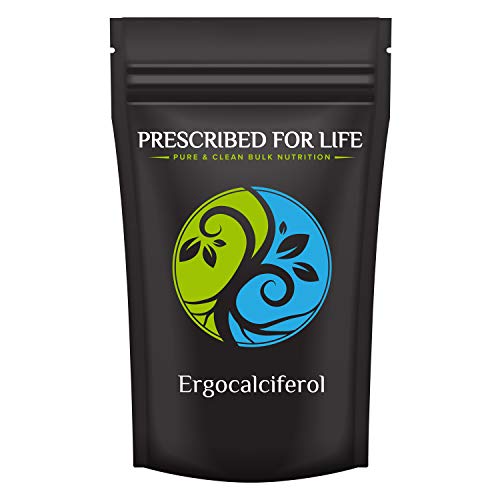
PURE & NATURAL: Prescribed for Life Ergocalciferol Vitamin D2 Powder is a pure, single raw ingredient. No additives. No preservatives. No fillers or binders.

Vegan Omega 3 Supplement - Sapling Omega-3 is sourced from algae. Fish get their DHA and EPA by consuming algae, as it is one of the planets primary food sources. We believe fish should be kept out of it and that going straight to the source is the smarter and more sustainable option. Our algae is not harvested from an ocean but sustainably grown in United States. This allows us to control for purity and quality that can’t be controlled in the ocean. It’s better for you and the environment.
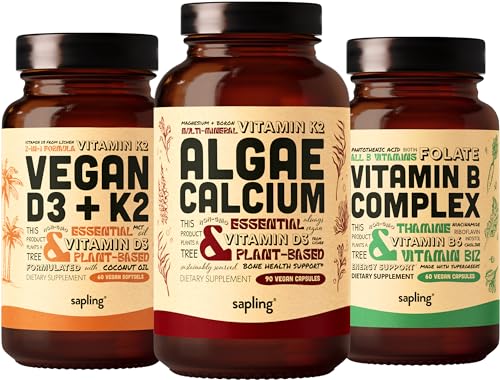
All-In-One Formula - Our Vegan Calcium is packed with 600mg of Elemental Calcium from sustainably sourced Red Algae. Contains Vitamin K2 and D3, Zinc, Manganese, and Boron.
Sources and Absorption

Recommended Products

Active Form of Vitamin K: This vitamin K2 MK-7 is a single dietary ingredient formula that provides vitamin K2 as naturally derived MK-7 for cardiovascular health

FORMULATED for DRY EYES: Our unique formula delivers Alaskan wild caught triglyceride Omega-3 and Omega-7.

FORMULATED for DRY EYES: Our unique formula delivers Alaskan wild caught triglyceride Omega-3 and Omega-7 from Pollock which are shown to improve dry eyes in just 30 days.
Dietary Sources
- Fatty Fish: Salmon, mackerel, and sardines are excellent sources, offering 190 to over 900 IU per serving.
- Cod Liver Oil: A tablespoon contains about 1,360 IU.
- Egg Yolk and Beef Liver: They provide smaller amounts of vitamin D.
- UV-Exposed Mushrooms: A half-cup can yield around 366 IU.
Absorption Factors
Vitamin D is fat-soluble, so consuming it with dietary fat enhances its absorption. D3 from animal sources is generally more effective than D2 from plants. Remember, limited sunlight can also affect how much vitamin D our bodies produce, making dietary sources and fortified foods vital. Additionally, incorporating omega-3 fish oil supplements can further support overall health and nutrient absorption.
Special Considerations and Conditions

When considering our vitamin D needs, it’s important to recognize the special circumstances and conditions that can influence how much we should be aiming for.
Many of us with chronic diseases, like chronic liver disease or autoimmune disorders such as multiple sclerosis (MS), may find that our vitamin D levels are lower than ideal.
- Vitamin D deficiency is tied to bone issues, too, affecting our overall wellbeing.
- It plays a role in managing autoimmune diseases, potentially improving our immune response.
- Those of us with chronic kidney disease or osteoarthritis might also need to pay closer attention to our vitamin D intake.
Understanding these nuances helps us appreciate our specific needs and guides us toward maintaining better health. Additionally, older adults often require higher vitamin D3 content to support bone health and overall wellness, as nutrient absorption decreases with age.
Recommended Products
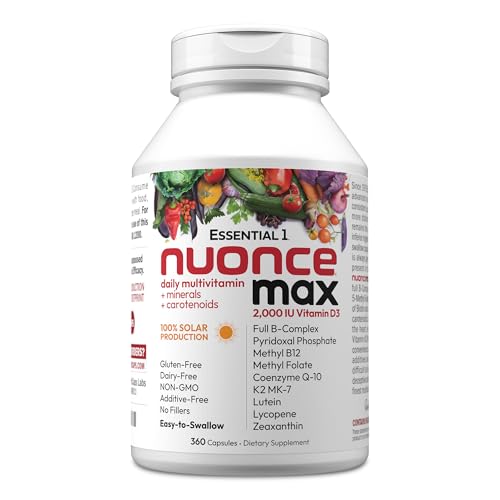
New Name, Same Trusted Formula – Formerly known as Essential 1, now re-introduced as nuoncemax with the exact same advanced, additive-free formula you’ve relied on for decades.
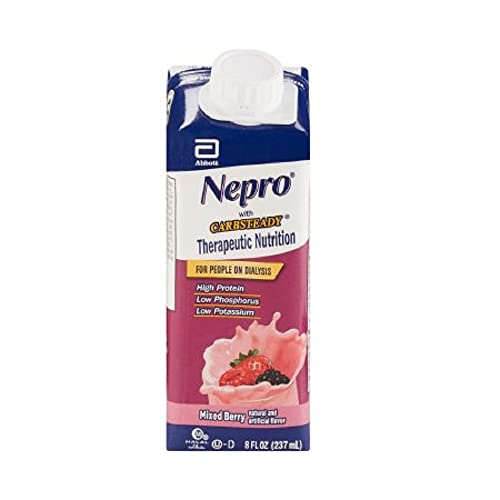
Nepro has made some key improvements that you will appreciate: Slowly digested carbohydrates, Fibersol and Maltitol are utilized in Nepro with Carb Steady. Nepro is specifically designed to meet the nutrient needs of people on dialysis.

PRODUCT OVERVIEW: Supplies clinical levels of nutrients vital to metabolizing carbohydrates, fats, and proteins into usable energy (ATP); helping reduce fatigue.
Frequently Asked Questions
Can I Get Enough Vitamin D From Food Alone?
We can’t always get enough vitamin D from food sources alone. While some dietary supplements help, relying solely on diet often leaves us short. It’s wise to reflect on both food and supplements for ideal levels.
How Does Vitamin D Deficiency Affect My Mood?
It’s interesting how vitamin D deficiency can directly impact our mood regulation and overall mental health. We should pay attention to our vitamin D levels, as they might play a vital role in our emotional well-being.
Is Vitamin D Safe During Pregnancy?
We recognize that safety during pregnancy is essential. Vitamin D supplementation can offer benefits, with recommended dosages ranging from 600 to 2,000 IU daily, helping maintain adequate levels for both mom and baby’s health.
Can Vitamin D Improve My Immune System?
Like sunrays nourishing a garden, Vitamin D fosters our immune function. It helps balance our immune response, enhancing defenses against infections while tempering inflammation. Let’s embrace this essential nutrient for a healthier, more resilient us!
How Long Does It Take to Correct a Deficiency?
Correcting deficiency symptoms can vary widely. Using effective correction methods, we might see improvements in 6-12 weeks with high doses, while some cases require longer due to factors like obesity or absorption issues. Let’s monitor progress closely.