As an Amazon Associate, we earn from qualifying purchases. Some links on this site are affiliate links at no extra cost to you. Our recommendations are based on thorough research and editorial judgment.


What Are The Best Magnesium Supplements?

When we’re on the hunt for the best magnesium supplements, we find a variety of options that serve different needs. Magnesium glycinate is gentle on the stomach and helps with stress and sleep, while magnesium citrate absorbs quickly and can ease constipation. For muscle relief, magnesium chloride is effective. Each form has unique benefits, so considering what’s important to us helps in making the right choice. Let’s explore these options further to find the perfect fit!
Key Takeaways
- Magnesium Glycinate is highly absorbable and gentle on the stomach, promoting relaxation and better sleep quality.
- Magnesium Citrate offers rapid absorption and aids in relieving constipation, making it a popular choice for many.
- Magnesium Malate is ideal for enhancing energy production, particularly favored by athletes for performance support.
- Magnesium L-Threonate uniquely crosses the blood-brain barrier, supporting cognitive function and brain health.
- Always consider dosage and consult a healthcare provider to ensure safety and effectiveness based on individual health needs.
Understanding Magnesium and Its Importance
You may be interested



Magnesium is an essential mineral that plays a central role in our overall health. It’s vital for various functions in our body—over 300 biochemical reactions depend on it! With magnesium, we can support normal nerve and muscle function, including our heart’s rhythm and blood pressure.
Finding magnesium sources is important for maintaining our levels. Good options include leafy greens, nuts, seeds, and whole grains. They not only taste great but also help us reach the recommended intake of 310 to 420 mg daily. Additionally, incorporating highly absorbable forms like magnesium glycinate can enhance our body’s ability to utilize this crucial mineral effectively.
Different Types of Magnesium Supplements

When we think about maintaining our magnesium levels, exploring different types of magnesium supplements can be quite enlightening.
- Magnesium Glycinate/Bisglycinate: Offers great absorption and is gentle on the stomach, making it ideal for those with sensitivities.
- Magnesium Malate: Great for energy production, it’s a favorite among athletes seeking a boost.
- Magnesium L-Threonate: This newer form supports brain health, crossing the blood-brain barrier effectively.
- Magnesium Taurate: Regulates heart health without harsh digestive effects.
- Magnesium Orotate: This one helps with cellular energy and is suited for endurance.
Each of these magnesium sources has unique benefits and varying absorption rates, helping us select the one that suits our lifestyle best. Additionally, understanding CFU potency levels in supplements can help ensure we are maximizing our nutrient intake.
Recommended Products

Foundational Elements for Wellness: Magnesium supplements, in Magnesium D-Aspartate powder, are the cornerstones of health, playing critical roles in various bodily functions from immune support to overall health. Ensure your body has the right building blocks for vitality.

Foundational Elements for Wellness: Magnesium supplements, in Magnesium Oxide powder, are the cornerstones of health, playing critical roles in various bodily functions from immune support to overall health. Ensure your body has the right building blocks for vitality.

High Absorption Daily Support – Experience the benefits of a bisglycinate magnesium supplement designed for maximum bioavailability. The high potency formula is crafted to be gentle on your stomach making it perfect for consistent daily use.
Magnesium Citrate: Rapid Absorption and Constipation Relief

Many of us look for reliable ways to boost our magnesium levels and ease occasional digestive discomfort, and magnesium citrate stands out as a popular choice.
Rapid Absorption
Magnesium citrate is known for its impressive magnesium absorption. Studies show it can raise magnesium levels in our blood within 2 to 6 hours. It absorbs better than forms like magnesium oxide, making it effective for those needing quick results.
Constipation Management
In addition to its absorption benefits, magnesium citrate helps with constipation management. It works as an osmotic laxative, drawing water into our intestines and softening stool for easier bowel movements. This makes it a go-to option for those seeking relief from occasional constipation while ensuring they’re getting their magnesium—which is a bonus! Moreover, quality standards for supplements can enhance the overall effectiveness of magnesium products.
Recommended Products

Rich in Natural Nutrients: Step into a world where every serving is a treasure chest of essential nutrients sourced directly from nature. Our herbal laxatives supplement, Senna Leaf Extract powder, harness the earth's bounty, providing you with the essential nutrients required for a flourishing overall health and well-being.

Chelated for Rapid Absorption: Real Magnesium Citrate capsules are crafted with Chelamax Magnesium to support energy production, relaxation, and regularity. Designed for rapid absorption and free of unnecessary additives, our magnesium citrate ensures your body gets the purest form of magnesium for optimal health.

The Ultimate High Fiber Supplement: Many modern diets lack fiber, causing uncomfortable bowel movements and digestive upset. Better Fiber can level up your fiber intake to soothe digestion, promote healthier bowel movements, and calm bloating.
Magnesium Glycinate: Calming Effects for Stress and Anxiety

Feeling a bit overwhelmed by everyday life? You’re not alone. Many of us deal with stress and anxiety. That’s where magnesium glycinate comes in, offering several benefits.
- Enhanced Absorption: It combines magnesium with glycine, ensuring better absorption than other forms.
- Calming Effects: This supplement helps regulate cortisol, the stress hormone, promoting anxiety reduction.
- Gentle on the Gut: Unlike some other magnesium types, it’s easier on our digestive systems, which is great for sensitive stomachs.
- Improves Sleep Quality: Magnesium glycinate can also support better sleep, creating a positive cycle of reduced stress.
- Supports Heart Health: Studies suggest that omega-3 supplements may work synergistically with magnesium, further enhancing overall health.
With magnesium glycinate, we can experience a more relaxed state and improve our overall mental well-being.
Recommended Products

Foundational Elements for Wellness: Magnesium supplements, in Magnesium Carbonate powder, are the cornerstones of health, playing critical roles in various bodily functions from immune support to overall health. Ensure your body has the right building blocks for vitality.

Foundational Elements for Wellness: Magnesium Hydroxide powder, one of our magnesium supplements, are the cornerstones of health, playing critical roles in various bodily functions to your overall health & well-being. Ensure your body has the right building blocks for vitality.

AlgaeCal Magnesium Relax: Feel Calm, Even When Life Isn’t: This calm magnesium blend was made for the person juggling work, family, and everything in between. You’ll feel centered, even when your day gets chaotic.
Magnesium Oxide: General Supplementation and Cost-Effectiveness

Magnesium oxide stands out as a popular choice for those looking for a cost-effective magnesium supplement. With around 60% elemental magnesium, it delivers a significant amount per dose. However, we should note that its magnesium absorption is lower than other forms, typically around 4% or less. This means we may not absorb as much of it compared to other options.
Despite this, it’s great for those seeking digestive benefits, especially for constipation relief. It’s commonly used in over-the-counter remedies for indigestion and heartburn, too. Plus, magnesium oxide is generally less expensive than organic forms like glycinate. All these factors make it a readily available and budget-friendly option for our magnesium needs. Additionally, ensuring the source and quality of magnesium, similar to omega-3 fish oil supplements, is crucial for optimal health benefits.
Recommended Products

BACK UP YOUR BONE HEALTH SUPPORT: Each serving contains 200mg of magnesium to support muscle relaxation, heart, nerve, and bone health.

Magnesium Melody - Formulated with 4 types of Magnesium (Bisglycinate, Malate, Citrate, and Oxide) to help elevate Magnesium levels and optimize absorption.

What is Magnesium Used for?: Magnesium plays a crucial role in supporting mood balance, bone health, cardiovascular health, and promoting regular bowel movements.
Magnesium Chloride: Muscle Tension Relief and Absorption
When we consider effective options for muscle tension relief, magnesium chloride clearly stands out as a beneficial choice. It’s a naturally occurring compound, highly purified for muscle health. Available in pills and topical forms, it offers great absorption efficiency, allowing our bodies to utilize it effectively.
Key benefits include:
- Helps relieve muscle tension, spasms, and tightness
- Supports muscle recovery by promoting better contraction and relaxation
- Regulates calcium in muscle cells to reduce cramps
- Enhances overall muscle comfort
While oral supplements are effective, topical magnesium chloride can work even faster due to its transdermal absorption. Keeping our magnesium levels in check is essential for efficient muscle recovery and ongoing performance during exercise.
Recommended Products
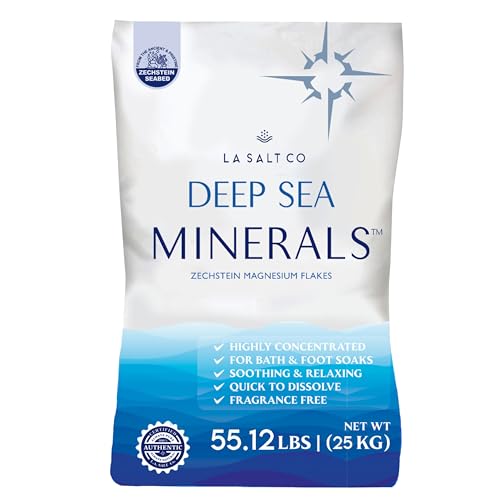
THE PUREST MAGNESIUM FLAKES: Extracted in its raw state from the Zechstein Seabed, so you know every bag is free from heavy metals and harmful additives. No added preservatives, colors, bleaching or fragrances. Just pure, all-natural Zechstein Magnesium Chloride flakes.

Rest and Repair at Night: Organifi Gold is a soothing, creamy turmeric tea blend featuring unique superfoods and essential nutrients for nightly relaxation made easy and enjoyable.

Magnesium chloride flakes provide rapid topical absorption for enhanced magnesium intake directly through skin, offering higher absorbency rates than an oral magnesium supplement
Specialized Forms of Magnesium: Targeted Benefits
Exploring specialized forms of magnesium allows us to tap into tailored benefits that go beyond general supplementation. Each magnesium form offers unique targeted effects that suit different needs:
- Magnesium Glycinate: Known for enhancing relaxation and sleep, it’s gentle on the stomach.
- Magnesium Malate: Great for boosting energy and alleviating muscle pain; it can help with fatigue.
- Magnesium L-Threonate: Supports cognitive health by promoting brain function and memory.
- Magnesium Taurate: Excellent for heart health, aiding in blood pressure regulation.
- Magnesium Orotate: Enhances endurance and recovery, particularly for cardiovascular fitness.
These magnesium forms give us the options to choose according to our specific lifestyle and wellness concerns, making it easier to find what works best for us.
Considerations for Choosing the Right Magnesium Supplement
Choosing the right magnesium supplement can feel a bit overwhelming, but understanding a few key aspects can simplify the process.
- Magnesium Sources: Look for forms like magnesium glycinate or citrate for better absorption. These options are gentle on the stomach and often more effective.
- Supplement Synergy: Consider how the magnesium pairs with other nutrients. Some forms may work better with specific vitamins or minerals.
- Tolerance and Side Effects: Be aware of your body’s reactions. If you’re sensitive, magnesium glycinate might be best; however, if you’re looking for mild laxative effects, magnesium citrate could be suitable.
- Cost and Convenience: Weigh the price against benefits—some options like magnesium oxide are cheaper but less effective.
Dosage and Usage Guidelines for Magnesium Supplements
Understanding the right dosage and usage guidelines for magnesium supplements can help guarantee we get the benefits we’re looking for.
Here are some key points to remember:
- Daily Intake: Adults typically need between 310 and 420 mg daily, depending on age and sex.
- Upper Limits: It’s vital to stay within the 350 mg upper limit from supplements for magnesium safety.
- Supplementation Timing: Taking supplements with a full glass of water is recommended, especially for constipation relief.
- Health Goals: Adjust dosages based on individual needs, consulting with a healthcare provider for tailored advice.
These guidelines guarantee we maximize magnesium’s benefits while minimizing risks, leading to a safer supplementation experience. Let’s make informed choices together!
Frequently Asked Questions
Can Magnesium Supplements Interact With Medications I’M Taking?
Yes, magnesium supplements can interact with medications we’re taking, including certain antibiotics and bisphosphonates. We should consider magnesium forms and dosage recommendations carefully, separating intake to maintain effectiveness and avoid adverse effects. Always consult healthcare providers.
Is It Safe to Take Magnesium Daily Without Medical Advice?
We shouldn’t assume it’s safe to take magnesium daily without medical advice. Monitoring magnesium dosage and ensuring our daily intake doesn’t exceed 350 mg is essential to avoid potential risks and adverse effects.
What Are the Symptoms of Magnesium Deficiency?
We’ve all felt those dreaded deficiency signs—muscle cramps, fatigue, and even heart palpitations! Let’s uncover magnesium sources that might save us from this chaos and restore our energy, shall we?
How Long Does It Take to Feel the Effects of Magnesium Supplements?
When it comes to feeling magnesium’s effects, absorption rates and individual responses vary widely. Generally, we might notice improvements in muscle cramps or sleep quality within a week or two of consistent supplementation.
Can I Get Enough Magnesium From Diet Alone?
While we might envision a colorful plate overflowing with magnesium-rich foods like spinach and almonds, many of us still struggle to meet our magnesium needs through diet alone, making supplementation an important consideration for ideal health.


