As an Amazon Associate, we earn from qualifying purchases. Some links on this site are affiliate links at no extra cost to you. Our recommendations are based on thorough research and editorial judgment.


What Are The Best Omega-3 Supplements?

When we’re looking for the best omega-3 supplements, there are a few key factors to keep in mind. We should consider brands like NYO3® and Momentous Vegan Omega-3, which offer high purity and plant-based options. It’s wise to check for EPA and DHA levels, as well as freshness testing and third-party certifications. Look for easy-to-take forms, such as softgels or liquids. Exploring the various types and benefits can help us make informed choices.
Key Takeaways
- Look for Omega-3 supplements with high concentrations of EPA and DHA, such as NYO3® and Life Extension Super Omega-3.
- Choose reputable brands that undergo third-party testing for purity and quality, like GNC and Momentous.
- Consider the source of Omega-3; marine oils offer strong benefits, while algal oil is best for plant-based diets.
- Pay attention to freshness indicators, packaging, and shelf stability to ensure the product’s effectiveness over time.
- Aim for at least 2 grams of combined EPA and DHA daily to support various health benefits, including heart and brain health.
Types of Omega-3 Supplements
You may be interested


When we think about choosing omega-3 supplements, we find that there are several types to evaluate, each with its own unique features.
- Marine sources include fish oil, krill oil, and cod liver oil, all rich in EPA and DHA. These are known for their high absorption rates, especially krill oil due to its phospholipid form.
- Plant sources like algal oil and flaxseed oil offer options for those avoiding fish. Algal oil directly provides DHA, while flaxseed oil primarily offers ALA, needing conversion to EPA and DHA.
- Different chemical forms exist, such as triglycerides and ethyl esters, impacting absorption efficiency.
- Pay attention to dosage forms—softgels, liquids, or powders—and consider sourcing practices to avoid contamination risks, ensuring a safe choice for health claims. Notably, triglyceride form omega-3s offers superior absorption compared to other forms, making it a preferred choice for many consumers.
Recommended Products
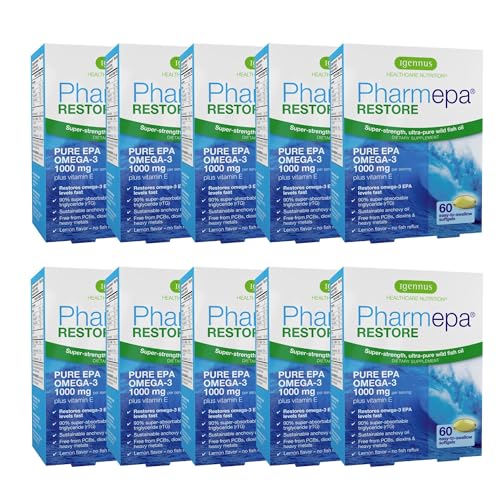
IFOS CERTIFIED, ULTRA PURE WILD FISH OIL - independently tested and certified by IFOS for mercury, PCBs and dioxins. Sustainably sourced from Friends of the Sea using wild Pacific anchovies and purified to the highest standards for safety and quality*

Pharmaceutical Grade Omega-3s: OMAPURE Fish Oil is purified through molecular distillation and manufactured in the USA in a certified GMP facility, yielding an ultra-concentrated 75% Omega-3 supplement. Includes 10 bottles with 120 softgels each.

FORMULATED for DRY EYES: Our unique formula delivers Alaskan wild caught triglyceride Omega-3 and Omega-7
Top Omega-3 Supplement Brands

Choosing the right omega-3 supplement can really enhance our wellness routine. Many of the top-rated brands stand out for their quality and consumer preferences. For instance:
- NYO3® offers ultra-high purity with 97% concentrated EPA and DHA. Their softgels undergo third-party testing for freshness.
- GNC Triple Strength Fish Oil Mini is recognized for its high omega-3 concentration in mini capsules.
- Life Extension Super Omega-3 combines beneficial ingredients like olive extract, holding an IFOS five-star certification.
- Momentous Vegan Omega-3 sources its oils from algae, providing a great option for plant-based diets. Additionally, selecting products with molecular distillation ensures quality and purity by removing contaminants like mercury and toxins.
Recommended Products

ULTRA PURIFIED & ECO-FRIENDLY: Advanced technology is used to gently purify delicate EPA without relying on high heat or chemical solvents, in a sustainable green process.
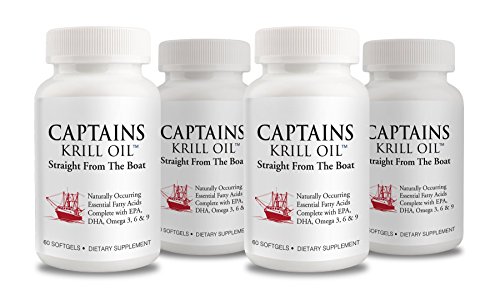
Available in 1-Pack, 2-Pack, and 4-Pack — 60 softgels per bottle. Two softgels daily recommended.

Brain Health: Formulated to enhance cognitive function, memory, focus, and overall brain performance.*
Key Features to Look for in Omega-3 Supplements
Understanding what to look for in omega-3 supplements can help us make informed choices that suit our needs. Here are some key features to take into account:
- EPA Levels & DHA Potency: Check for clear labeling of EPA and DHA concentrations. Higher levels enhance effectiveness.
- Freshness Testing: Look for products that use light-blocking, airtight packaging and include antioxidants to prevent rancidity.
- Contamination Control: Guarantee third-party testing for heavy metals and other harmful substances.
- Bioavailability Forms: Natural triglycerides and free fatty acids typically offer better absorption.
- Dosage Recommendations: Aim for at least 2 grams of combined EPA and DHA daily.
- Sourcing Transparency: Choose brands that are open about sourcing and testing processes for reliability.
Looking for products that meet strict quality standards ensures you choose supplements that deliver optimal health benefits!
Recommended Products

JOINT COMFORT: Independently tested and proven to be the most potent joint health supplement in its class. In recent a scientific study, FREZZOR OMEGA-3 BLACK Capsules was shown to be 53 TIMES more EFFECTIVE than the other mussel oil competitors or other essential fatty acids supplements.

Superior Source of Omega-3: GLX3 Contains ALL 30 Free Fatty Acids (EPA, DHA, OTA, ETA & MORE ). ETA is only found in Green Lipped Mussels, making GLX3 the Superior Omega-3 choice. GLX3 is sourced from sustainably farmed New Zealand green lipped mussels, a more bioavailable source of Omega-3 compared to regular omega 3 fish oil or krill oil. Keep this in mind when comparing to an inexpensive powder version or fish oil pills. Contains Omega 3-6-9 in powerful, easy to swallow, burpless capsules.

FOR SMALL TO MEDIUM BIRDS: Harrison’s High Potency Fine bird pellets are crafted for small to medium-sized birds, offering a nutrient-dense formula of organic, non-GMO grains, legumes, and vitamins to support healthy growth and development.
Best Omega-3 Supplements for Specific Dietary Needs

Finding the best omega-3 supplements tailored to our dietary needs can greatly enhance our overall wellness. For our vegetarian friends, microalgae oil serves as an excellent source of both EPA and DHA. Brands like Garden of Life Minami Algae Omega-3 focus on concentrated DHA but check for EPA levels.
When considering allergies, algal oil supplements are a fish-free, safe bet for those sensitive to fish or shellfish. Additionally, we should remember that plant-based options like flaxseed and chia seed oils are available but don’t provide EPA or DHA directly. It’s also important to prioritize third-party testing to ensure the quality and safety of the supplements we choose.
As we explore these alternatives, let’s also look for third-party testing and allergy certifications to guarantee safety and quality, making informed choices for our omega-3 needs.
Recommended Products

ALWAYS FRESH, NEVER FISHY: We strive to deliver exceptional quality - that means a fish oil supplement without the aftertaste or fish burps that often follow low-quality fish oil capsules. Our Omega-3 oil is extracted, with minimal heat exposure, through a 10-step refinement process that removes fishy odors and impurities.

Non-gmo, sustainable, plant-based, nature's most important omega-3 fat - dha: Provides DHA isolated from algae instead of fish oil. DHA is associated with superior heart, brain, eye, circulatory and general health. Delivers algae-based DHA, the most important fatty acid in the brain and eye. Andrew Lessman's Algal DHA 250 allows you to enjoy all the benefits of fish oil, but from a sustainable, plant-based source with no mercury, no contaminants, no stomach upset, and no fishy aftertaste.

High Concentration, Multi-Form Fish Oils - BioGlycerides uniquely combines three different forms of fish oils for improved bioavailability and distribution to tissues. Contains 600mg EPA and 400mg DHA per serving in a 1:1 ratio.
Comparative Dosages and Cost Efficiency
When we talk about comparative dosages and cost efficiency of omega-3 supplements, it’s essential to look at both the recommended intake and how these products stack up against each other.
- The U.S. Dietary Guidelines suggest 250-500 mg of DHA and EPA combined daily.
- For more significant benefits, higher doses of 2000-3000 mg are common.
- Dosage comparison reveals that krill oil often shows superior absorption, meaning we might need lower doses.
- Cost analysis indicates that higher concentration products can reduce the number of daily capsules, saving money.
- Fish oil supplements, particularly those in re-esterified triglyceride form, can be more cost-effective at similar EPA/DHA levels but may require higher doses.
- Additionally, understanding CFU potency can help consumers gauge the effectiveness of various supplements when considering their overall health benefits.
Recommended Products
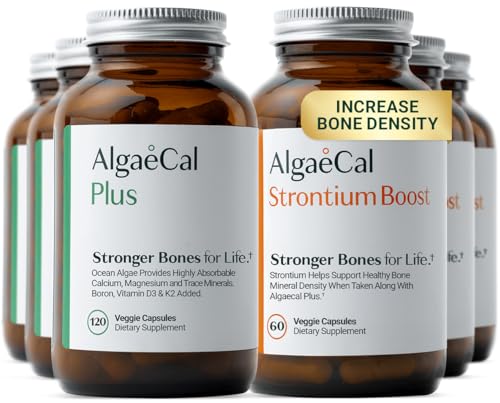
Clinically Supported Bone Health: Bone Builder Pack combines AlgaeCal Plus and Strontium Boost in one bone strength supplement routine clinically supported to increase bone density in as little as 6 months.

PREMIUM FOOD GRADE PURITY: Zatural Hemp Seed Oil is 100% pure, raw, and food-grade. Cold-pressed to preserve its delicate nutritional profile, it offers a delicious, mild nutty flavor that is perfect for those seeking a plant-based nutritional boost.
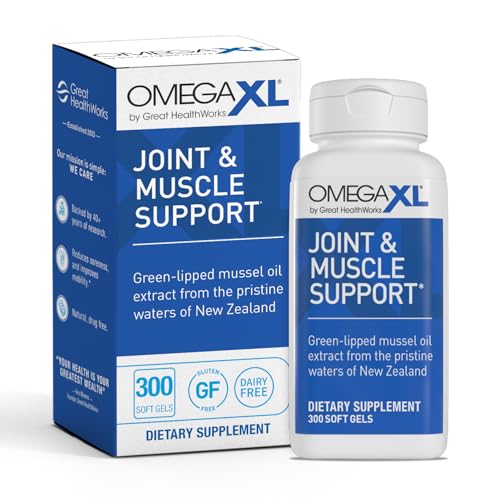
XL BENEFITS BEYOND OMEGA-3s – Backed by over 40 years of clinical research, this high-potency blend promotes joint, muscle, and respiratory health.* OmegaXL is the ultimate joint health and mobility support supplement that is over 16 times more potent than standard fish oil. . TIP: During the summer or in warmer climates, keep your supplements in the refrigerator or a cool, dry place to maintain their original soft gel form.
Health Benefits of Omega-3 Fatty Acids
Omega-3 fatty acids provide a range of notable benefits that many of us appreciate in our daily diets. With their anti-inflammatory properties, they help manage inflammation, supporting both our immune system and overall wellness. This can lead to less discomfort in conditions like joint pain. Moreover, omega-3s are essential for cognitive function, playing a key role in brain health. They may help stabilize mood and even support brain development during pregnancy. Additionally, we find that omega-3s contribute to heart health by potentially lowering triglycerides. As we explore these benefits, it’s clear that incorporating omega-3s can be a meaningful addition to our health routine.
Scientific Evidence Supporting Omega-3 Supplementation
Understanding the scientific backing behind omega-3 supplementation can help us make more informed choices about our health. Recent omega 3 research trends highlight the benefits of omega-3 fish oil supplements, particularly in improving cardiovascular outcomes. Meta-analyses have shown that daily supplementation can lower risks of heart attacks and cardiovascular disease events, especially at doses ranging from 0.8 to 1.2 grams per day. They suggest a dose-response relationship, indicating that higher doses may lead to greater risk reductions. Subgroup analysis reveals notable benefits for individuals with coronary heart disease and other high-risk groups. However, some studies show mixed findings on overall mortality and stroke, emphasizing the importance of ongoing research to refine our understanding of these supplements’ efficacy.
Sustainability and Sourcing of Omega-3 Supplements
As we explore the benefits and options available in omega-3 supplements, it’s important to contemplate how these products are sourced and their impact on the environment. Sustainable sourcing guarantees that the fish we rely on come from responsible fisheries, adhering to omega-3 certifications like FOS, MarinTrust, and MSC. These certifications help protect marine ecosystems and prevent overfishing.
Additionally, traceability frameworks are in place to identify the species and origin of the omega-3s we consume. Regular audits assure ethical practices within supply chains, promoting fair labor and minimizing pollution. With growing innovations in marine microalgae and plant-based sources, we can look forward to more sustainable, environmentally friendly omega-3 options, reducing the strain on our oceans while meeting nutritional needs.
Tips for Choosing the Right Omega-3 Supplement
When it comes to choosing the right omega-3 supplement, we should consider various factors to guarantee we’re making an informed decision. Here are some tips to guide us:
- Type of Omega-3: Select between fish oil, krill oil, algal oil, or plant-based sources, depending on our dietary preferences.
- Dosage Guidelines: Aim for a daily serving of 700-1200 mg of combined EPA and DHA for ideal personal health benefits.
- Bioavailability: Look for supplements in natural triglyceride or monoacylglycerol forms for better absorption.
- Purity and Testing: Choose products that are third-party tested for contaminants.
- Labeling: Review ingredient transparency and avoid fillers or excessive vitamins, especially in fish liver oils.
With these guidelines, we can make a more informed choice about omega-3 supplements.
Frequently Asked Questions
Can Omega-3 Supplements Cause Any Side Effects?
We recognize that omega-3 supplements can indeed cause side effects. While moderate omega-3 dosage is generally safe, we should be wary of issues like gastrointestinal discomfort, bad breath, or even headaches with higher doses.
How Long Does It Take to See Benefits From Omega-3 Supplementation?
Like planting a seed, seeing benefits from omega-3 supplements takes time. We’ll notice initial improvements in weeks, but for lasting effects, a consistent dosage is key—typically, three to six months will reveal the benefit timeline.
Are Omega-3 Supplements Safe During Surgery?
When considering surgery safety, we’ve found recent studies suggest omega-3 supplements pose minimal risk. While some precautions may still apply, it’s essential to discuss with healthcare professionals before making any decisions.
Do Omega-3 Supplements Interact With Medications?
We’ve got to be cautious—omega-3 interactions can feel like a medical maze! For medication safety, it’s crucial to consult healthcare providers, especially when combining omega-3 supplements with blood thinners or other prescription drugs.
Can Omega-3 Supplements Help With Weight Loss?
We’ve seen mixed results regarding omega-3 supplements and weight management. While they may enhance metabolic health and aid fat loss, individual responses vary. More research is essential to fully understand their effectiveness in weight loss strategies.


