As an Amazon Associate, we earn from qualifying purchases. Some links on this site are affiliate links at no extra cost to you. Our recommendations are based on thorough research and editorial judgment.

What Are The Best Supplements For Immunity?

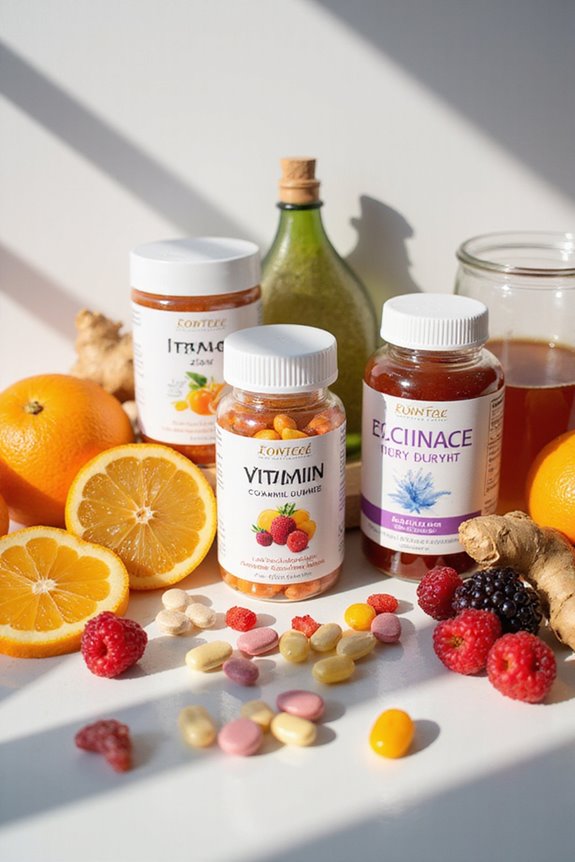
When it comes to the best supplements for immunity, we can’t overlook the power of Vitamin C, Zinc, and Vitamin D. These essential nutrients contribute to our immune system in unique ways, enhancing its ability to fight off challenges. Medicinal mushrooms like reishi and maitake also naturally boost immune function. Plus, Selenium and Quercetin add extra benefits to support our body. For ideal results, combining these supplements can yield better effects. Let’s explore more about these options!
Key Takeaways
- Vitamin C enhances immune cell function and protects against oxidative damage; daily intake of 100–200 mg is recommended for optimal support.
- Zinc is essential for developing immune cells and regulating responses; regular supplementation is particularly beneficial for older adults.
- Vitamin D modulates immune responses and promotes pathogen clearance; regular intake can support overall immune health and reduce inflammation.
- Medicinal mushrooms like reishi and maitake contain immune-boosting polysaccharides that stimulate and regulate inflammation for enhanced wellness.
- Selenium and Quercetin both support immune function; selenium is vital for protein formation, while quercetin offers anti-inflammatory and antioxidant benefits.
Vitamin C: The Powerful Antioxidant
You may be interested



When it comes to supporting our immune system, Vitamin C stands out as a remarkable ally. Its potent antioxidant benefits help protect our immune cells from oxidative damage, which can result from fighting pathogens. By neutralizing harmful free radicals, Vitamin C reduces oxidative stress and aids in tissue protection during immune responses.
Additionally, it boosts the functions of important immune cells, including neutrophils and macrophages, enhancing their ability to migrate to infection sites and eliminate harmful microbes. For peak immune support, a daily intake of 100–200 mg Vitamin C is recommended, ensuring our body’s defenses are ready to tackle infections. With so many advantages, incorporating Vitamin C into our daily routine can be a smart step toward maintaining our overall well-being. Moreover, when combined with other essential nutrients, Vitamin C can further enhance its immune-boosting effects.
Recommended Products


Utilizes a revolutionary method of enhanced Vitamin C delivery – Liposomal Encapsulation Technology - designed to help your body absorb more Vitamin C.

HORSE JOINT SUPPLEMENT: Our horse joint care powder supplement is designed to help with joint health and contains the highest quality ingredients, which help support healthy joints and mobility.
Zinc: The Essential Mineral for Immune Function

Zinc is an essential mineral that plays a significant role in supporting our immune system. It’s crucial for developing immune cells like neutrophils and natural killer cells, which help fight off infections. When we face zinc deficiency, our immune response weakens, leading to increased vulnerability to illnesses.
Zinc supplementation can be beneficial, especially for those lacking sufficient amounts in their diet. Regular intake may help regulate inflammatory responses and boost immune cell activity, enhancing our overall defenses. It’s particularly important for older adults, as studies show it can decrease infection rates. Additionally, incorporating probiotics can further enhance immune function and provide additional support to the immune system.
Recommended Products

Premium Quality: Chuga's shilajit is harvested in India from the Himalayan mountain range. It is gathered at 16,000+ feet, making it Grade A shilajit. The fulvic and humic acid content within shilajit increases in relation to the height it is harvested from. This makes our shilajit extremely potent and nutrient dense compared to most shilajit that is harvested at 4,000-6,000 feet.
Vitamin D: Key to Immune Modulation
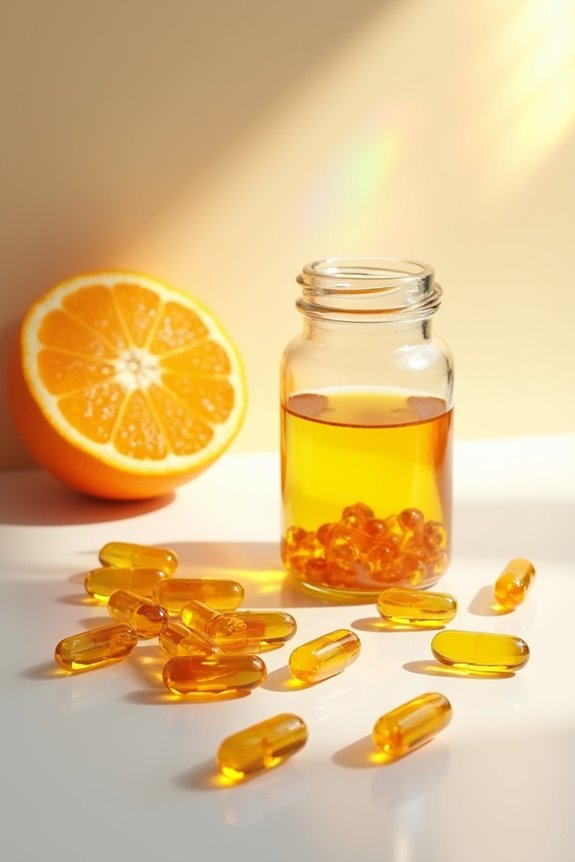
Vitamin D is more than just a vitamin; it’s a critical player in how our immune system operates. It enhances immune modulation by promoting pathogen clearance and regulating inflammation. When we’re sufficient in Vitamin D, we support our body’s ability to fight off infections effectively. This nutrient aids in immune tolerance, which helps our bodies distinguish between harmful invaders and friendly cells, lowering the chances of autoimmune issues.
Additionally, Vitamin D plays a role in fine-tuning our immune response, reducing excessive inflammation that can lead to tissue damage. By boosting our immune defenses, Vitamin D contributes greatly to our overall health. Making sure we get enough can be a simple yet powerful step toward a balanced immune system. Regular supplementation of buffered vitamin C can also enhance overall immune support, complementing the effects of Vitamin D.
Recommended Products

GET YOUR DAILY DOSE OF CALCIUM: Umeken Mineral L-Cal is a potent dietary supplement made from fermented natural beets and essential minerals extracted from natural minerals in the Great Salt Lake in Utah
Medicinal Mushrooms: Nature’s Immune Boosters

Medicinal mushrooms have gained attention as powerful allies in our pursuit of better immunity. They offer a range of medicinal benefits that support our body’s defense systems. Key species like reishi and maitake contain polysaccharides, particularly beta-glucans, known for their immune modulation properties.
These mushrooms influence essential immune cells, helping to balance our response to various conditions. They can stimulate and regulate inflammation, potentially improving our overall wellness. Regular consumption may even enhance our body’s ability to recognize and combat pathogens effectively. Furthermore, immune-supporting ingredients found in supplements like NEW AGE 8-in-1 can complement the benefits of medicinal mushrooms.
With growing evidence highlighting their benefits, incorporating medicinal mushrooms into our routines can be a simple yet effective way to bolster our immunity naturally. Let’s embrace these remarkable fungi as we prioritize our health together.
Recommended Products

DAILY IMMUNE SUPPORT YOU CAN TRUST: Support your body’s natural defenses with Immuneheal, a thoughtfully formulated supplement designed to complement your daily wellness routine. This adaptogenic blend helps maintain overall balance and supports immune health as part of a healthy lifestyle, especially during seasonal changes or periods of increased stress.
Selenium: The Trace Mineral for Enhanced Immunity

Selenium might not top the list of well-known nutrients, but it plays an essential role in supporting our immune system. This trace mineral is vital for the formation of selenoproteins, which help balance our immune responses and prevent overreaction. When we guarantee adequate selenium intake, we promote better immune cell activation and reduce oxidative stress.
Selenium Sources
- Brazil nuts
- Seafood
- Whole grains
Selenium Dosage
– Adults typically require about 55 micrograms per day, but individual needs can vary.
Selenium’s antioxidant properties also help in protecting our cells during infections. By including selenium in our diet, we can support our immune health without the risk of overdoing it, since excessive intake can be harmful. Additionally, a diet rich in selenium could enhance immune cell activation, leading to a more effective response to pathogens.
Quercetin: the Flavonoid With Immune Benefits
Quercetin is quickly gaining recognition for its role in supporting our immune system. This plant-derived flavonoid boasts impressive quercetin benefits, including anti-inflammatory and antioxidant properties. Research shows it can reduce inflammation markers, enhance immune responses, and even help with allergies.
We can find quercetin sources in various foods such as onions, apples, and citrus fruits. Supplementing with quercetin may provide extra immune support, especially during colder months or when allergy seasons hit.
For those looking to boost their immunity, adding quercetin to our daily routines could be a wise choice. It’s a versatile tool in our nutrition arsenal that may help keep our immune system functioning at its best. Let’s consider it as a proactive approach to well-being.
The Importance of Proper Dosage and Timing
When it comes to boosting our immune system, understanding the importance of proper dosage and timing can’t be overlooked. Adhering to dosage guidelines is essential for each supplement. For instance, Vitamin D typically ranges from 1,000 to 4,000 IU daily, while Vitamin C recommendations vary from 250 mg to 1,000 mg.
Timing strategies also play a role in effectiveness. Taking Vitamin D with meals enhances absorption, and dividing Vitamin C doses can maintain steady blood levels. Similarly, zinc is better absorbed on an empty stomach, but can cause nausea if taken that way. Probiotics should be taken 30 minutes before meals to maximize benefits. Keeping these guidelines in mind can help us make the most out of our immune supplements.
Combining Supplements for Maximum Efficacy
Combining supplements can really enhance our immune support efforts, especially when we consider how certain vitamins and minerals work together. Here are some effective synergistic combinations:
- Vitamin C and D: They work together to support white blood cell function and hormone regulation.
- Zinc and Vitamin C: Zinc boosts immune development, enhancing Vitamin C’s effects.
- Vitamin A and Zinc: They boost pathogen defense mechanisms, promoting resilience.
- Elderberry with Vitamin C and Zinc: This combo may shorten the duration of colds.
Be mindful of herbal interactions as well; for example, Echinacea can complement Vitamin D effectively. When we combine these elements thoughtfully, we maximize our immune benefits while ensuring balanced nutrient intake for better overall performance.
Recommended Products

Increase Bone Density: AlgaeCal Plus, a clinically supported plant-based calcium supplement for improved bone health. From organic algae with 13 bone-supporting minerals. In addition to calcium (720mg), each serving includes magnesium, potassium, boron, manganese, vanadium, phosphorus, copper, zinc, nickel, strontium, silicon, and selenium – with vitamins D3, K2-Mk7, & C.
Lifestyle Factors That Support Immune Health
Maintaining a healthy immune system isn’t just about taking supplements; lifestyle choices play a crucial role in how our bodies defend against illness.
To boost our immune resilience, we should focus on several key lifestyle habits:
- Dietary choices: Enjoying a balanced diet rich in whole foods, like fruits, veggies, and lean proteins, is essential.
- Hydration importance: Keeping well-hydrated helps our body function effectively.
- Physical activity: Regular exercise is beneficial for immune health as it enhances our immune surveillance.
- Sleep quality: Getting 7-9 hours of restful sleep each night improves our defenses.
- Stress management: Techniques like mindfulness can help minimize stress which, if unmanaged, can negatively affect immunity.
- Hygiene practices: Staying mindful of hygiene like hand washing can lower infection risks.
Together, these factors create a foundation for strong immunity.
Frequently Asked Questions
Can Children Take Adult Immune Supplements Safely?
When considering if children can take adult immune supplements safely, we should prioritize child safety and follow dosage guidelines. Consulting a pediatrician is essential, since inappropriate dosages can lead to serious health risks for our kids.
Are There Any Interactions Between These Supplements and Medications?
We should always consider supplement interactions before combining them with medications. Understanding medication compatibility helps guarantee safe use, as certain vitamins and minerals can affect how well our medications work or cause unwanted side effects.
How Long Should I Take Immune Supplements for Effectiveness?
When we journey through the domain of immune boosters, we should consider duration guidelines carefully. Regular supplementation can yield benefits; aim for at least weeks to months for consistent effectiveness, especially with Vitamin D and Zinc.
Can a Healthy Diet Replace the Need for Supplements?
We believe a healthy diet can often replace supplements, relying on nutrient-rich foods and varied dietary sources. Whole foods provide essential vitamins and minerals, supporting our immune health far more effectively than products in pill form.
Are There Any Side Effects to Be Aware of With Long-Term Use?
When considering long-term effects, we should be cautious about dosage recommendations; excessive intake may lead to nutrient imbalances, toxicity, or unforeseen health risks. Monitoring our usage and consulting healthcare professionals is essential for our wellness.


