As an Amazon Associate, we earn from qualifying purchases. Some links on this site are affiliate links at no extra cost to you. Our recommendations are based on thorough research and editorial judgment.

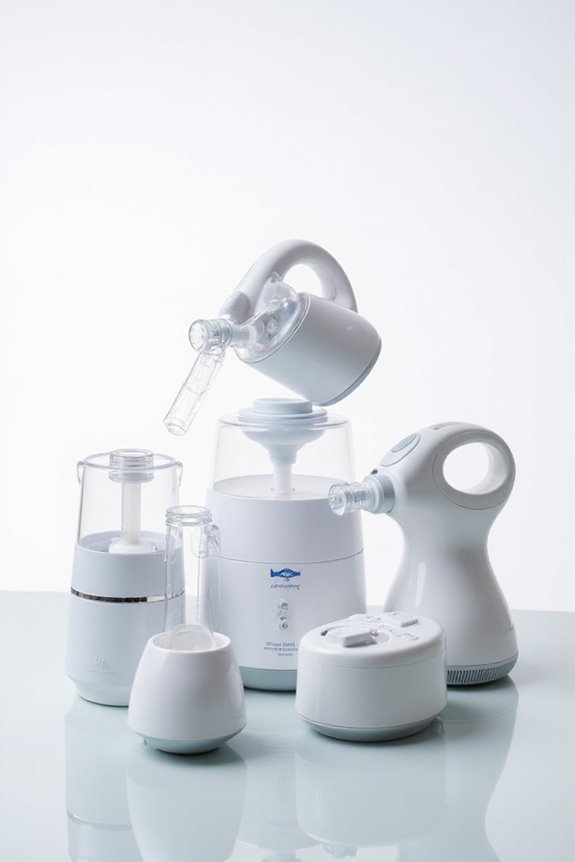
What Are The Best Nebulizers For Home Use?

When considering the best nebulizers for home use, we find a few standout choices. Jet nebulizers are the most common and cost-effective, while ultrasonic models offer quieter, quicker sessions. Vibrating mesh nebulizers are portable and produce less medication waste, perfect for on-the-go needs. Key features to look for include ease of assembly, portability, and noise levels. By comparing popular brands like Philips Respironics and Omron, we can find a model that fits our lifestyle perfectly. There’s more to explore about finding the right fit for us!
Key Takeaways
- Portability: Consider lightweight nebulizers like handheld mesh models for ease of travel and convenience.
- Quiet Operation: Ultrasonic and mesh nebulizers provide quieter treatments, enhancing comfort during use.
- Ease of Use: Look for models with simple controls and clear assembly instructions to streamline the treatment process.
- Speed of Treatment: Mesh nebulizers deliver medication rapidly (2-3 minutes), while jet models typically take longer (7-15 minutes).
- Maintenance Requirements: Choose devices with fewer parts for easier cleaning and better overall functionality.
Types of Nebulizers for Home Use
You may be interested

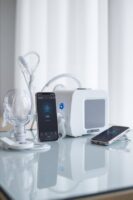
When it comes to choosing a nebulizer for home use, we have a few different types to contemplate, each with its own unique features.
- Jet Nebulizers are the most common, using air compression to create an aerosol mist. They can produce different aerosol particle sizes through nozzle changes but may reduce nebulizer efficiency due to longer treatment times.
- Ultrasonic Nebulizers utilize high-frequency waves for a quieter and faster experience. However, they might not work well with all medication types.
- Vibrating Mesh Nebulizers are often the quietest and most portable option, providing effective aerosol delivery with less leftover medication.
Ultimately, the choice depends on what fits our lifestyle and preferences while ensuring peak performance for our needs. Additionally, pulse oximeters can be a beneficial tool for monitoring blood oxygen levels during nebulizer treatments.
Key Features to Consider

Choosing the right nebulizer involves considering several key features that can enhance our experience and effectiveness. Here are some important aspects to think about:
- Device Assembly: Look for models with clearly marked parts, making assembly straightforward. This minimizes errors during use.
- Noise Reduction: For comfort, pick quieter options like ultrasonic or mesh nebulizers. They operate more silently than traditional models.
- Portability: Consider whether it has battery options or car adapters for convenient use while traveling.
- Ease of Use: Simple on/off switches and lightweight design can make treatments less cumbersome.
- Maintenance: Choose devices with fewer pieces for easier cleaning; this keeps them functioning well.
Moreover, like A&D medical devices, some nebulizers also emphasize ease of operation, which can significantly enhance the user experience.
With these features, we can find the nebulizer that best fits our needs!
Recommended Products

[Pet-designed mask] Includes a dedicated mask designed specifically for pets. Suitable for cats, dogs, and other animals.

【Soft and Fitting Mask for Dogs】Designed to fit the specific facial contours of medium-sized dogs, this mask is comfortable to wear, providing a relaxing experience for your pet and avoiding friction and discomfort.The maximum circumference of the pet mask is 28cm/11in.
Popular Models and Brands

Finding the right nebulizer can feel overwhelming, especially with so many popular models and brands on the market today. Here are some key players in the nebulizer landscape:
- Philips Respironics is known for durability, though it has been discontinued.
- Drive Medical features the portable Power Neb Ultra, great for home use.
- DeVilbiss Healthcare offers the Traveler Portable Compressor Nebulizer, praised for its delivery efficiency.
- Omron remains trusted with various options for all ages.
- Schuco stands out for its compact design and quiet operation.
When making nebulizer comparisons, pay attention to brand reliability. Each brand has its strengths, making it easier to find a model that suits your needs. Additionally, understanding the importance of medical device classification can ensure that you choose a nebulizer that meets your health requirements and offers effective treatment.
Recommended Products

【Enhanced Pipeline】This shop air line kit adopt the HDPE-Aluminum-HDPE triple-layer structure, high-density polyethylene provides excellent corrosion resistance, while the aluminum core ensures strength and high-pressure resistance.

Optimal particle size delivered at efficient nebulization rates

High performance jet nebulizer used for reliable, efficient and convenient aerosol treatments
Performance and Use Considerations

While evaluating nebulizers for home use, it’s essential to contemplate how they perform under various conditions to find a model that fits our lifestyle and needs.
Performance Metrics
- Aerosol Particle Size: Smaller particles (1-5 microns) reach deeper lung regions. Jet nebulizers often produce these effectively.
- Nebulization Time: Mesh nebulizers deliver medication quickly, often in just 2-3 minutes, while jet nebulizers take 7-15 minutes.
User Experiences
- Portability: Handheld mesh models are lightweight and battery-operated, making them ideal for travel.
- Noise Levels: Mesh nebulizers usually operate quietly, enhancing comfort during use. Additionally, certain devices like compression systems effectively improve circulation, which is vital for overall respiratory health.
Ultimately, we should consider these factors to choose a nebulizer that aligns with our routine and enhances our overall experience.
Maintenance and Cost Factors

When it comes to getting the most from our nebulizers, maintenance and costs are key factors to evaluate. Regular maintenance frequency is essential as it helps guarantee their performance and longevity. After each use, we should wash the medicine cup and mask with warm, soapy water. Weekly, it’s important to soak these parts in detergent or use heat-based disinfection methods to prevent infections. Additionally, proper care and maintenance can extend the average product lifespan of nebulizers significantly. Cost analysis shows that while filters and masks are relatively low-cost, nebulizer compressors require a higher initial investment. Additionally, cleaning supplies add up over time, so keeping an eye on these ongoing costs is wise. By replacing worn or damaged parts promptly, we can avoid interruptions and guarantee effective treatment without breaking the bank.
User-Specific Recommendations
To help us choose the right nebulizer, it’s crucial to evaluate our specific needs and preferences.
Pediatric Options:
- Look for quieter models that ease children’s anxiety.
- Devices like the Nami Cat combine fun designs with effectiveness.
- Verify pediatric masks fit snugly for ideal medication delivery.
Adult Considerations:
- Adults might prefer nebulizers with higher aerosol output for chronic conditions.
- Portable units are useful for those on the go, featuring rechargeable batteries.
- Larger medication cups reduce the need for frequent refills.
Advantages of Different Nebulizer Types
Understanding the advantages of different types of nebulizers can greatly enhance our home treatment experience.
Jet Nebulizers
- Familiar and versatile: The most common type, handling various medications.
- Customizable: Different nozzle options allow tailored treatments.
- Affordability: Generally inexpensive, suitable for many respiratory conditions.
Ultrasonic Nebulizers
- Quiet operation: Great for comfort, especially for children.
- Rapid delivery: Quick treatment sessions due to high aerosol output.
- Compact design: Easy to use and transport at home.
Vibrating Mesh Nebulizers
- Efficiency: Delivers nearly all medication with minimal waste.
- Speed: Treatment time often under five minutes.
- Noise-free: The quietest option, enhancing user experience.
These nebulizer types bring unique benefits, improving treatment efficiency for us all.
How to Choose the Right Nebulizer for Your Needs
Selecting the right nebulizer to meet our needs can greatly impact our comfort and effectiveness during treatment. Here are a few factors to take into account:
- Patient Preferences: If noise is a concern, mesh nebulizers offer quiet operation, making them suitable for children.
- Medication Types: Verify the nebulizer we choose is compatible with our specific medications. Ultrasonic models may not work with all medicines.
- Portability Needs: For on-the-go use, lighter mesh nebulizers are ideal.
- Age Consideration: Children might need models that produce a smoother mist, while adults may require higher output for more severe conditions.
Recommended Products

Product Size (W x D x H): 13.2 x 4.7 x 1.2 inches (335 x 1
Tips for Effective Nebulizer Use at Home
When it comes to using a nebulizer effectively at home, following a few simple tips can make our experience more comfortable and efficient.
Cleaning Techniques
- After each use, wash the nebulizer cup, mask, or mouthpiece in warm, soapy water and rinse thoroughly.
- Air-dry the parts on a clean towel to prevent contamination.
Disinfection Practices
- Disinfect the nebulizer parts weekly to guarantee hygiene.
- Disinfection can be done with heat or cold methods, such as boiling for five minutes or soaking in isopropyl alcohol.
Infection Prevention
- Keep our nebulizer equipment separate if multiple users are involved, and avoid sharing accessories.
- Finally, always handle medications with clean hands to reduce germ transfer.
These simple practices can enhance our nebulizer use!
Recommended Products


HIGH-END WATERLESS DIFFUSSER TECHNOLOGY: Delivers waterless pure essential oil scent without dilution or heat, preserving the all-natural properties of your premium oils for the ultimate aromatherapy experience. It is 10 times more powerful than water-based units.

Complete CPAP Cleaning Kit — A practical set of CPAP cleaning supplies for routine tubing, mask and humidifier care, built around a CPAP hose dryer, a CPAP hose cleaner brush, and a collapsible wash basin for a simpler at-home care routine.
Frequently Asked Questions
How Often Should I Clean My Nebulizer?
Imagine a garden nurturing our health; just like flowers, our nebulizer needs daily care. We should clean it immediately after use and disinfect regularly. Maintenance tips like these keep our respiratory garden thriving.
Can I Use My Nebulizer With Over-The-Counter Medications?
We need to prioritize over the counter safety when using OTC medications in our nebulizer. Ensuring proper medication effectiveness is essential; let’s consult healthcare professionals before adding any OTC products to our treatment routine.
What Are the Signs My Nebulizer Needs Replacement?
We should regularly check for nebulizer performance indicators, like cracks or discoloration. Signs of wear on the tubing, mouthpieces, or cups mean it’s time to replace them to guarantee efficient medication delivery and effective treatment.
Are There Any Side Effects of Using a Nebulizer?
While nebulizer safety is essential, we should remember that side effects can occur, including heart rate changes and dizziness, especially with certain medications. We need to be aware of potential interactions when using them.
How Do I Dispose of Old Nebulizer Equipment?
When we consider nebulizer recycling, it’s essential to guarantee proper equipment disposal. We should check local regulations for electronic waste and seek out safe recycling options to protect both health and the environment.