As an Amazon Associate, we earn from qualifying purchases. Some links on this site are affiliate links at no extra cost to you. Our recommendations are based on thorough research and editorial judgment.

The 3 Best Mental Health Counseling Books That Actually Help, According to Therapists

Three highly recommended counseling books stand out among therapists. You’ll find thorough exam prep and app-based learning in the “Encyclopedia of Counseling,” practical documentation guidance in “Essentials of Clinical Mental Health Counseling,” and relationship-focused exercises in “The Attachment Theory Workbook.” Each book offers unique tools – from interactive study features to self-assessments and real-world examples. The following details explore how these resources can enhance your understanding of mental health concepts.
Key Takeaways
- The Encyclopedia of Counseling combines comprehensive study materials with an interactive app, proven effective for professional licensing exam preparation.
- The Essentials of Clinical Mental Health Counseling helps professionals evaluate career fit while providing practical documentation guidance.
- The Attachment Theory Workbook offers practical tools and exercises for understanding relationship patterns through clear, accessible content.
- Books recommended by therapists typically include hands-on exercises, real-world scenarios, and evidence-based approaches for immediate application.
- Top counseling books balance academic credibility with practical value, incorporating current research and self-assessment tools for professional growth.
Encyclopedia of Counseling: Master Review for Counselor Examinations


You may be interested


The Encyclopedia of Counseling serves as a go-to study companion for counseling students preparing for their licensing exams, particularly the National Counselor Examination (NCE) and Counselor Preparation Thorough Examination (CPCE).
You’ll find the book comes with a helpful app offering two modes: study mode with instant feedback and exam mode for practice tests. Users recommend starting with the app to identify areas needing focus, then diving into relevant book sections. The suggested study approach involves about a month of preparation, with intensive review the week before your exam. Many students report success using this combined book-and-app approach, noting that it helped them understand concepts through practical examples and similar question styles to the actual exams.
Best For: Counseling students and graduates preparing for the National Counselor Examination (NCE) or Counselor Preparation Comprehensive Examination (CPCE).
Pros:
- Comprehensive study package combining detailed book content with an interactive practice app
- Two learning modes (study and exam) that allow for both concept mastery and test simulation
- Question format and content closely mirrors actual licensing exams, helping reduce test anxiety
Cons:
- Some users report issues with book binding and typographical errors
- May require supplementary study materials for complete exam preparation
- One month recommended study timeline may be insufficient for some students
Essentials of Clinical Mental Health Counseling: Key Documents & Career Guide
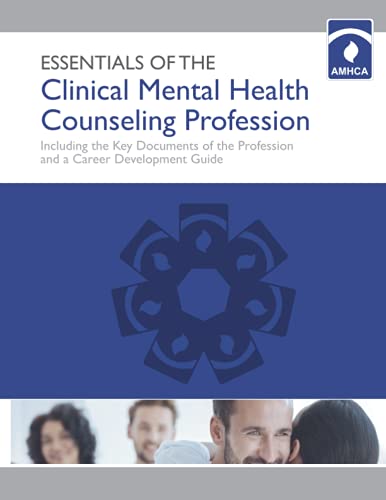
Mental health professionals and students seeking career guidance will find extensive direction in “Essentials of Clinical Mental Health Counseling: Key Documents & Career Guide.” As an introductory resource that combines practical documentation with career development insights, this book offers readers a clear pathway to understanding the counseling profession.
You’ll discover if this career path aligns with your goals while developing your professional identity. The book’s organized format makes information easily accessible, though you might prefer the print version for better engagement with the material. While considering the investment, many readers find the book’s clarity and thorough career guidance make it a worthwhile resource for their professional development.
Best For: Mental health students, aspiring counselors, and professionals seeking comprehensive guidance on clinical mental health counseling career development and essential documentation.
Pros:
- Provides clear, accessible information about the counseling profession and career pathways
- Helps readers evaluate their fit for the field while developing professional identity
- Combines practical documentation with valuable career development insights
Cons:
- Digital format may not be as engaging as print version
- Investment cost may be a consideration for some readers
- May be too introductory for experienced professionals already established in the field
The Attachment Theory Workbook: Tools for Understanding and Building Relationships

Understanding relationship patterns becomes clearer with this extensive workbook designed for individuals and couples seeking to explore attachment styles. You’ll find practical tools, assessments, and exercises that help identify your own style and understand how it impacts your connections with others.
The workbook’s approachable writing style makes complex concepts easy to grasp, while the self-reflection exercises give you concrete ways to improve communication and build trust. Though some readers note it could go deeper into certain attachment styles, you’ll appreciate its supportive tone and straightforward approach to personal growth.
Best For: Individuals and couples wanting to understand their attachment styles and improve relationship patterns through practical exercises and self-reflection.
Pros:
- Clear, accessible writing style that makes complex attachment theory concepts easy to understand
- Includes practical exercises, assessments, and tools for immediate application
- Compassionate, non-judgmental tone that encourages personal growth and healing
Cons:
- Limited coverage of disorganized/fearful-avoidant attachment style
- Some users find it lacks depth for more complex attachment issues
- Contains some editorial inconsistencies that could use refinement
Factors to Consider When Choosing Mental Health Counseling Books

When you’re looking for mental health counseling books, you’ll want to evaluate several key factors to find resources that match your needs and learning preferences. You can start by checking the author’s credentials and professional background, while also considering whether the book’s content level aligns with your current understanding of mental health topics. The book’s format should suit your learning style, with some readers preferring workbook-style exercises and practical examples, while others might connect better with straightforward explanations and theoretical frameworks.
Academic Credibility and Authority
Selecting quality counseling books requires careful attention to their academic credibility and authority. You’ll want to check the author’s background, looking for advanced degrees and substantial experience in counseling or related fields. When browsing options, pay attention to books published by well-known academic institutions or established publishers who maintain high editorial standards.
Look for books that reference peer-reviewed studies and include evidence-based approaches, as these indicate thorough research backing the content. You can also check for endorsements from respected counseling organizations or well-known experts in the field. These recommendations often signal that the book meets professional standards. When evaluating a book’s authority, you’ll find it helpful to scan the bibliography and citations, which should demonstrate extensive research and up-to-date information from credible sources.
Target Audience and Level
Beyond academic credentials, matching a book’s content level to your needs plays an essential role in making the most of your reading investment. When selecting counseling books, you’ll want to take into account where you are in your professional journey and what you’re hoping to achieve.
If you’re a student or new to the field, look for books that cover fundamental concepts and provide practical applications you can understand. These typically include clear explanations and step-by-step guidance. For experienced professionals, you’ll likely benefit more from books exploring advanced theories and specialized techniques that build on existing knowledge. Reflect on whether you’re reading for academic study, professional development, or personal growth, as this will guide you toward books with the right depth and complexity for your purposes.
Learning Style Compatibility
The way you process and retain information fundamentally shapes how effectively you’ll learn from any counseling book. When selecting a book, take into account whether you’re a visual, auditory, or kinesthetic learner to find content that matches your natural learning style.
If you’re a visual learner, look for books with charts, diagrams, and illustrations that break down concepts into clear visual elements. Auditory learners might connect better with books that tell stories or come with companion audio content. For hands-on kinesthetic learners, interactive workbooks with exercises and practical activities often work best.
You’ll also want to take into account your preferred reading pace and the author’s writing style. Some readers thrive with detailed, thorough explanations, while others prefer straightforward, action-oriented guides that get straight to the point.
Content Depth and Scope
When exploring mental health counseling books, understanding the depth and scope of content helps you make informed choices that match your learning goals. You’ll want to look for books that offer practical exercises, real-world examples, and thorough assessments that reinforce your understanding of key concepts.
The best books combine theoretical knowledge with hands-on applications, covering essential topics like personal growth, professional development, and counseling techniques. They should present information in a clear, organized manner that’s easy to follow and implement. Look for content that includes relatable case studies and addresses common challenges in the field. When evaluating options, check if the book’s scope aligns with your interests, whether that’s understanding relationship dynamics, career development, or building professional skills through practical exercises.
Practical Application Elements
Practical application elements serve as essential indicators when selecting mental health counseling books that’ll truly benefit your learning journey. You’ll want to look for books featuring hands-on exercises, self-reflection prompts, and real-world scenarios you can work through at your own pace.
When evaluating books, check for interactive components like journaling spaces, discussion questions, and assessment tools that help you track your progress. Look for resources that offer clear action steps and strategies you can implement right away. The most helpful books often include worksheets, checklists, and practice activities that reinforce key concepts through direct experience. Consider whether the book provides specific examples and case studies that illustrate how to apply the principles in everyday situations. These practical elements transform abstract concepts into tangible skills you can use.
Current Research Integration
Since research in mental health counseling constantly evolves, choosing books that incorporate current findings can greatly enhance your learning experience. You’ll want to look for books that blend neuroscience concepts with psychological principles in an easy-to-understand way, helping you better grasp why certain behaviors and patterns emerge.
When selecting a book, check the publication date and look for those that include diverse cultural perspectives and trauma-informed approaches. The most helpful resources often feature practical exercises and self-reflection tools that you can work through at your own pace. You’ll also benefit from books that offer clear examples and real-world applications, making it easier to connect with the material. Consider whether the author regularly updates their work to reflect new developments in the field.
Study Tools Included
Interactive study tools embedded within mental health counseling books can make a meaningful difference in how effectively you’ll retain and apply the material. When browsing options, look for books that incorporate hands-on exercises, self-assessments, and practice questions throughout their chapters.
Books with built-in feedback mechanisms help you check your understanding as you progress through the material. You’ll want resources that offer structured review sections and real-world scenarios you can work through at your own pace. The best choices often include workbook-style elements that let you actively engage with the content rather than just passively reading. Consider options that provide clear chapter summaries, reflection prompts, and end-of-section activities that reinforce key concepts and support practical skill development.
Price-Value Educational Balance
Finding the right balance between price and educational value stands at the forefront of selecting mental health counseling books. You’ll want to evaluate how much practical content you’re getting for your money, including any bonus materials like worksheets or self-reflection exercises.
When comparing prices, consider the book’s format and additional resources. Print versions might offer better engagement for your learning style, while digital editions could provide interactive elements. Look at what other readers are saying about the book’s value – their experiences can help you determine if the investment matches the content quality.
Check if the book includes professional development guidance and thorough study materials. Higher-priced books often pack more extensive research and practical tools, which could make them worth the extra cost if they align with your learning goals.
Frequently Asked Questions
How Long Does It Typically Take to Read a Mental Health Counseling Book?
You’ll typically spend 4-6 hours reading a self-help book cover to cover, though your pace may vary based on the book’s length and complexity. If you’re taking notes or practicing exercises, it could extend to 8-10 hours. You can break this into manageable 30-minute daily sessions. Some readers prefer to spend a few weeks with a book, allowing time to absorb and reflect on the content.
Can Mental Health Counseling Books Replace Professional Therapy Sessions?
While self-help books can be valuable tools for personal growth and understanding, they can’t replace one-on-one therapy sessions. You’ll find these books work best as supplements to professional support, offering insights and strategies you can discuss with your therapist. They’re like study guides that enhance your journey, but they don’t provide the personalized guidance, feedback, and interactive support you’ll get from regular sessions with a qualified counselor.
Are Audiobook Versions as Effective as Reading Physical Counseling Books?
Both audiobooks and physical books can be valuable learning tools, but they offer different experiences. You’ll likely absorb information differently when listening versus reading. While audiobooks provide convenience and flexibility, physical books let you highlight passages, take notes, and move at your own pace. Some people retain information better visually, while others learn better through listening. It’s worth trying both formats to see which style works best for your learning preferences.
Which Mental Health Counseling Books Are Best for Complete Beginners?
If you’re new to personal development books, you’ll want to start with accessible reads that introduce core concepts. “Feeling Good” by David Burns and “The Happiness Trap” by Russ Harris are great starting points with clear explanations and practical exercises. “Maybe You Should Talk to Someone” by Lori Gottlieb offers an engaging narrative style that’s easy to follow. These books use everyday language and relatable examples that’ll help you understand fundamental wellness concepts.
Do Mental Health Counseling Books Need to Be Read in Order?
Most self-help and personal growth books are designed to stand alone, so you don’t need to read them in any particular order. You’ll find that each book covers its own unique perspectives and strategies that you can explore at your own pace. While some authors might write series that build on previous concepts, it’s perfectly fine to jump into topics that interest you most and read them in whatever sequence feels right.