As an Amazon Associate, we earn from qualifying purchases. Some links on this site are affiliate links at no extra cost to you. Our recommendations are based on thorough research and editorial judgment.

8 Best Health Education Books That Actually Make Wellness Simple

You’ll find practical wellness guidance in these top health education books: “Health Education: Elementary and Middle School Applications” offers structured lessons, while “Lesson Planning for Skills-Based Health Education” provides ready-to-use activities. “Healthy Teachers, Happy Classrooms” focuses on educator well-being, and “School Counselors Mental Health Sourcebook” delivers accessible mental health strategies. Each book breaks down complex topics into simple, actionable steps. Let’s explore how these resources can transform your approach to wellness education.
Key Takeaways
- “Healthy Teachers, Happy Classrooms” offers practical, brain-based strategies that simplify wellness concepts for immediate implementation in daily routines.
- SHAPE America’s “Lesson Planning for Skills-Based Health Education” provides ready-to-use activities and clear unit outlines for straightforward learning.
- “Health Education: Creating Strategies” combines engaging visuals with practical knowledge, making complex wellness concepts easier to understand.
- Books with supplementary materials like worksheets, discussion guides, and SMART goal templates help break down wellness concepts effectively.
- Resources focusing on interactive activities and real-world scenarios, rather than dense theory, make wellness education more accessible and actionable.
School Counselors Mental Health Sourcebook: Student Success Strategies


You may be interested


School counselors and mental health professionals seeking an extensive resource will find “The School Counselors Mental Health Sourcebook” particularly valuable as a practical reference guide. You’ll discover research-backed strategies presented in an easy-to-navigate format, making it useful for both newcomers and experienced professionals.
While the content is accessible and well-organized, you should note that it references the older DSM-IV rather than the current DSM-V. The book’s straightforward writing style helps you quickly locate needed information, and it’s available in both print and digital formats. Many readers have found it particularly helpful for ASCA U Mental Health Specialist training and graduate-level coursework, though some consider the content fairly basic.
Best For: School counselors, mental health professionals, and graduate students seeking a practical reference guide for addressing student mental health concerns in educational settings.
Pros:
- Well-organized and easy-to-navigate format makes finding specific information quick and efficient
- Written in accessible language that’s helpful for both newcomers and experienced professionals
- Valuable resource for ASCA U Mental Health Specialist training and graduate coursework
Cons:
- Contains outdated DSM-IV references instead of current DSM-V standards
- Some readers find the content too basic, especially those with recent graduate training
- Physical copies have had reported quality issues with shipping and packaging
Health Education: Elementary and Middle School Applications
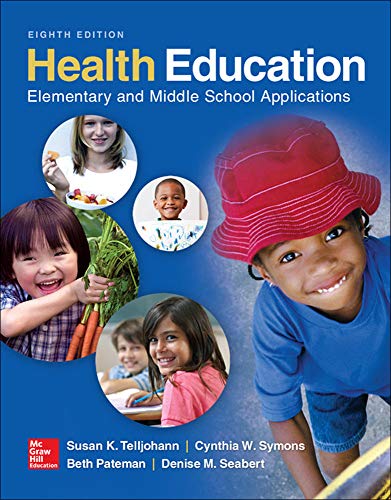
Teachers and education professionals will find this extensive health education resource perfectly suited for elementary and middle school instruction. You’ll appreciate the well-structured content and up-to-date information that aligns with national standards.
The book’s example lessons are concise and implementation-ready, making your teaching preparation more efficient. While it’s primarily used as a required text in educational settings, you’ll discover it’s a valuable resource that delivers content in an easily digestible format. The physical quality of the book is reliable, and the prompt delivery guarantees you’ll have it when needed for your curriculum planning.
Best For: Education students, teachers, and health education professionals seeking a comprehensive, standards-aligned resource for elementary and middle school health instruction.
Pros:
- Well-structured content with ready-to-implement lesson examples
- Aligns with national standards and contains up-to-date health education information
- Good physical quality and reliable delivery timing
Cons:
- Not particularly engaging as casual reading material
- Primarily useful only for educational/teaching purposes
- Rental options may require return before finished using as a reference
Lesson Planning for Skills-Based Health Education (SHAPE America)

Modern health educators seeking extensive guidance will find invaluable support in “Lesson Planning for Skills-Based Health Education” from SHAPE America. You’ll discover an eight-step process for curriculum development that helps you create engaging lessons tailored to your students’ needs.
The book provides ready-to-use unit outlines, assessments, and learning activities that align with National Health Education Standards. You’ll learn practical strategies for implementing skills-based approaches, moving beyond basic content delivery to focus on building lifelong wellness habits. There’s an emphasis on structured skill practice and reflection, including tools like SMART goal worksheets that let students track their progress in a supportive classroom environment.
Best For: Health educators seeking a comprehensive, standards-aligned resource to transition from content-based to skills-based teaching approaches.
Pros:
- Provides complete, ready-to-use curriculum materials including unit outlines, assessments, and learning activities
- Follows a clear eight-step process for curriculum development that can be easily implemented
- Includes practical tools and worksheets for student skill practice and progress tracking
Cons:
- May require significant time investment to fully understand and implement the new teaching approach
- Could be overwhelming for educators who are completely new to skills-based health education
- Focuses primarily on formal classroom settings, potentially limiting its applicability in alternative educational contexts
Theoretical Foundations of Health Education and Health Promotion: .
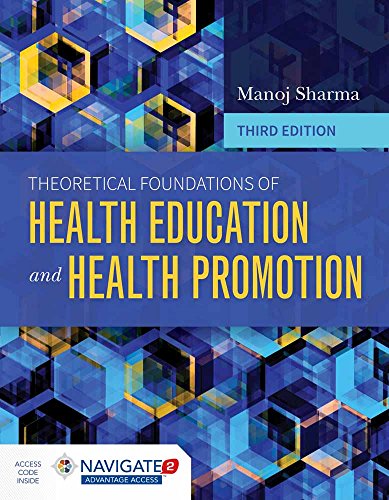
The extensive text “Theoretical Foundations of Health Education and Health Promotion” serves as an essential resource for public health students who’re looking to build a strong foundation in health education theories. You’ll find detailed coverage of behavior change strategies and educational approaches, though it does lean heavily on traditional models.
While the book excels at explaining established theories and includes practical suggestions for modifying attitudes and beliefs, you might notice it’s light on newer concepts. Students appreciate its thorough approach and reasonable pricing, but some find certain sections wordier than necessary. It’s particularly helpful as a reference tool that you can return to throughout your studies, especially if you’re just beginning to explore health education concepts.
Best For: Public health students and beginners seeking a comprehensive introduction to traditional health education theories and behavior modification strategies.
Pros:
- Thorough coverage of fundamental health education theories and behavior change strategies
- Serves as a valuable reference tool with practical suggestions for modifying attitudes
- Well-structured content suitable for both beginners and intermediate students
Cons:
- Limited coverage of newer health education models and theories
- Some sections are unnecessarily verbose and could be more concise
- Price point may be high relative to the content offered
Health Education: Creating Strategies for School & Community Health: .
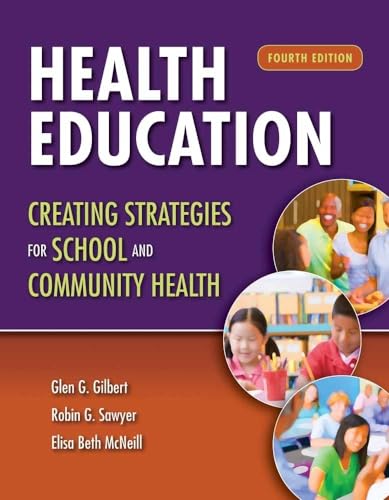
Students seeking extensive health education materials will find valuable insights in “Health Education: Creating Strategies for School & Community Health.” This well-structured textbook combines practical knowledge with engaging visuals, making it an accessible resource for both classroom learning and community health planning.
You’ll appreciate the book’s cost-effective rental options through Amazon, offering significant savings compared to bookstore prices. The content delivers useful information in an easy-to-digest format, featuring helpful pictures and memorable quotes throughout each chapter. While some readers find it fascinating, others consider it less engaging. However, its lightweight design and clear presentation make it convenient for regular use in health education courses.
Best For: Students enrolled in health education courses who want a comprehensive yet accessible textbook with a preference for cost-effective rental options.
Pros:
- Cost-effective rental options through Amazon provide significant savings compared to bookstore prices
- Easy-to-read format with engaging visuals and quotes throughout chapters
- Comprehensive coverage of health education topics with practical information
Cons:
- Some readers find the content less engaging or boring
- Mixed reviews on overall content value
- Limited long-term value as a rental compared to purchasing for permanent reference
It’s Perfectly Normal: Guide to Bodies, Sex & Sexual Health

Recommended by pediatricians nationwide, “It’s Perfectly Normal” serves as an extensive guide for parents seeking to navigate challenging conversations about puberty, sexuality, and gender with their children.
You’ll find thorough content covering essential topics like body changes, relationships, and consent – all presented through engaging illustrations and easy-to-understand explanations. The book’s age-appropriate format (typically for ages 10+) lets kids learn at their own pace, while giving you helpful conversation starters. The newest edition includes expanded LGBTQ+ content and promotes inclusive discussions. While some parents find certain visuals too explicit, others appreciate how the book breaks down complex subjects into digestible information that sparks meaningful family dialogue.
Best For: Parents and caregivers seeking a comprehensive, expert-recommended resource to guide discussions about puberty, sexuality, and sexual health with preteens and adolescents (typically ages 10+).
Pros:
- Provides medically accurate, age-appropriate information compiled by healthcare professionals and experts
- Includes engaging illustrations and easy-to-understand explanations that help facilitate difficult conversations
- Features inclusive content covering LGBTQ+ topics and promotes healthy discussions about relationships and consent
Cons:
- Some parents may find certain illustrations and content too explicit for younger readers
- Mixed reviews regarding age-appropriateness of specific topics like masturbation and sexual positions
- May require parental guidance and screening before giving to children, depending on individual maturity levels
Carson Dellosa Human Body Science Workbook (Grades 5-8)
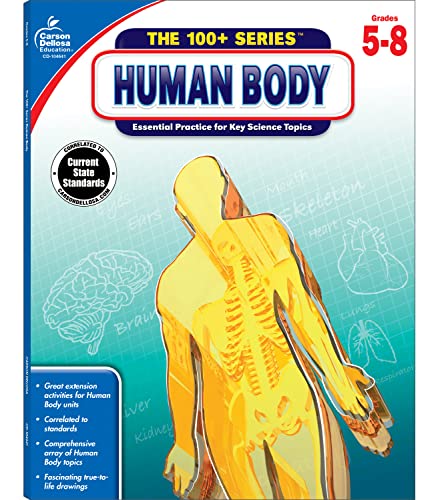
Carson Dellosa The 100+ Series: Human Body Workbook―Grades 5-8 Science Book, Human Anatomy, Bones...
- Great extension activities for Human Body units
- Correlated to standards
- Comprehensive array of Human Body topics
Designed for middle school students in grades 5-8, this supplementary workbook offers an engaging approach to learning human body systems through interactive activities and illustrations. You’ll find 100 pages of crossword puzzles, matching games, and hands-on exercises that make anatomy concepts stick.
While it’s not a standalone textbook, you can easily incorporate this workbook into your learning routine. The tear-out pages and available PDF format let you focus on specific body systems as needed. Though some younger students might find it challenging, it’s particularly useful for review sessions and homework practice. Parents and educators appreciate its flexibility for both classroom and homeschool settings.
Best For: Middle school students (grades 5-8), homeschoolers, and adult learners looking for supplementary practice materials to reinforce their understanding of human anatomy and body systems.
Pros:
- Engaging format with interactive activities like crossword puzzles and matching games that make learning more enjoyable
- Flexible usage with tear-out pages and PDF format options for targeted study of specific body systems
- Includes answer key and can be effectively used for both classroom and homeschool settings
Cons:
- Not comprehensive enough to serve as a standalone teaching resource
- May be too challenging for some younger students in the recommended grade range
- Lacks structured lesson plans and reading material, requiring additional educational resources
Healthy Teachers, Happy Classrooms: Brain-Based Principles for Teacher Wellness
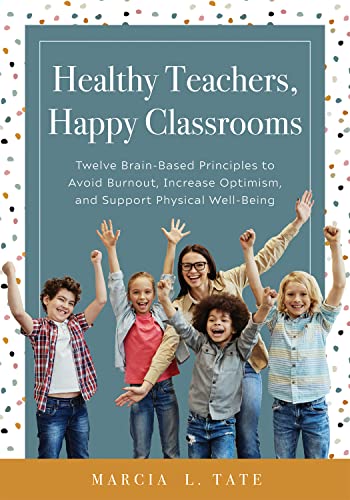
Teaching professionals seeking evidence-based wellness strategies will find invaluable guidance in “Healthy Teachers, Happy Classrooms: Brain-Based Principles for Teacher Wellness.” While primarily focused on educators, this engaging resource delivers practical approaches for anyone managing workplace stress and seeking better work-life balance.
You’ll discover easy-to-implement movement activities for the classroom and straightforward techniques to boost your daily wellness routine. The book’s brain-based principles help you avoid burnout while increasing your energy and optimism. Even if you typically find wellness books tedious, you’ll appreciate the enthralling content and readable style. Readers report noticeable improvements in both their personal well-being and professional effectiveness after applying the book’s strategies.
Best For: Teachers and education professionals seeking research-backed strategies to improve their wellness, prevent burnout, and create healthier classroom environments.
Pros:
- Offers practical, easy-to-implement strategies for incorporating movement and wellness activities into daily classroom routines
- Written in an engaging, accessible style that keeps readers interested and motivated
- Provides evidence-based techniques that benefit both professional performance and personal well-being
Cons:
- Primary focus on classroom settings may limit relevance for non-educators
- Some activities might be challenging to implement in certain teaching environments or contexts
- May overlap with existing wellness resources already available to teachers through their institutions
Factors to Consider When Choosing Health Education Books

When you’re looking for health education books, you’ll want to carefully evaluate several key factors that affect their usefulness in your teaching or learning environment. You’ll need to check that the content is current and grade-appropriate, while also confirming that the books include practical teaching methods and real-world examples that students can relate to. The best health education books come with supplementary materials like worksheets, discussion guides, and assessment tools that you can use to reinforce learning and measure understanding.
Content Accuracy and Currency
Selecting accurate and current health education books stands as a fundamental step in building a reliable wellness library. You’ll want to look for books that reference the latest guidelines and incorporate recent research findings to guarantee you’re getting the most up-to-date information.
When evaluating a book’s content, check if it aligns with current national health education standards. Look for authors with strong credentials and books that have gone through thorough peer review. You’ll find the most value in resources that offer practical strategies backed by recent studies.
Pay attention to publication dates and edition numbers. For instance, if you’re exploring topics related to behavioral health, make sure the content references current editions of standard guidelines rather than outdated versions. This helps guarantee you’re learning from the most relevant and accurate information available.
Grade Level Appropriateness
Beyond having accurate content, grade-level appropriateness plays a major role in how effectively health education books connect with their intended audience. When you’re selecting these resources, you’ll want to match the content with your students’ developmental stages.
For elementary students, look for books with simple explanations and colorful visuals that make basic wellness concepts easy to grasp. Middle school materials should introduce more detailed topics like nutrition and personal care using clear, age-sensitive language. If you’re teaching high school students, you’ll need books that tackle complex subjects with more depth and sophistication.
Remember to check that the vocabulary and examples align with your students’ comprehension levels. This guarantees they’ll stay engaged with the material and get the most from their learning experience.
Teaching Methods Included
Since teaching methods greatly impact student engagement, the best health education books incorporate diverse instructional strategies and ready-to-use resources. You’ll want to look for books that offer practical activities, discussion prompts, and multimedia components that make learning interactive and memorable.
When evaluating teaching methods, check if the book includes:
- Project-based learning activities
- Ready-made lesson plans and unit outlines
- Self-reflection exercises and progress tracking tools
- Group discussion guidelines
- Interactive worksheets and assessments
- Community engagement opportunities
The most effective books combine these methods to create a well-rounded learning experience. They’ll provide clear instructions for implementing activities and often include supplementary online materials. Look for resources that balance content delivery with hands-on practice, allowing students to develop practical wellness skills they can use throughout their lives.
Practical Application Examples
The practical application of health education materials shapes how effectively students learn and retain wellness concepts. You’ll want to look for books that provide ready-to-use examples and activities that bring wellness topics to life in the classroom.
When reviewing potential resources, check for lesson plans that include step-by-step instructions, clear learning objectives, and hands-on activities. The best books offer real-world scenarios students can relate to, like role-playing exercises for communication skills or interactive worksheets for nutrition planning. Look for materials that feature:
- Sample classroom discussions and group activities
- Printable worksheets and assessment tools
- Case studies that students can analyze
- Visual aids and demonstration guides
- Take-home activities that reinforce classroom learning
Resource Materials Provided
Resource materials within health education books serve as essential tools for educators planning extensive wellness lessons. You’ll want to look for books that include ready-to-use lesson plans, worksheets, and assessment tools that align with current educational standards.
When evaluating resource materials, check for practical components like unit outlines and student activities that you can implement directly in your classroom. The best books offer a mix of teaching aids, from basic handouts to interactive exercises that keep students engaged. You’ll also benefit from resources that provide clear learning objectives and ways to measure student progress.
Look for materials that are well-organized and easy to reference quickly. Digital supplements, visual aids, and reproducible worksheets can save you valuable preparation time while ensuring consistent delivery of wellness education content.
Professional Development Support
Professional development sections within health education books provide essential support for educators looking to expand their teaching capabilities. You’ll find practical tools like ready-to-use lesson plans, skill-building activities, and assessment strategies that align with current educational standards.
These resources help you stay current with modern teaching approaches, shifting from traditional content-focused methods to more engaging, skills-based instruction. Look for books that include collaborative learning opportunities and community engagement ideas, which can connect you with other educators to share experiences and strategies.
When selecting a health education book, prioritize those offering updated research and practical intervention strategies. The best resources will equip you with clear examples, structured learning activities, and evaluation methods that you can immediately implement in your classroom setting.
Standards Alignment Assessment
When selecting health education books, carefully evaluating their alignment with established standards helps guarantee you’re choosing high-quality materials that meet educational requirements. Look for books that follow the National Health Education Standards framework while covering essential wellness topics for your target age group.
You’ll want to verify that the content includes practical skill-building activities and clear assessment tools that match your curriculum goals. Check that the lessons are age-appropriate and culturally inclusive, with examples that reflect diverse perspectives and experiences. The book should offer straightforward lesson planning guides that make it easy to track learning outcomes. Consider how well the material supports students in developing real-world health literacy skills through engaging activities and relatable scenarios they can apply to their daily lives.
Digital Format Availability
Modern health education books increasingly come in digital formats, offering enhanced accessibility and functionality compared to traditional print versions. You’ll find these materials available as eBooks and PDFs that you can easily access on your smartphone, tablet, or computer whenever you need them.
Digital versions come with practical features that make learning more convenient. You’re able to search for specific topics instantly, adjust text size for comfortable reading, and access interactive elements like videos and external resources. When you need physical copies of certain sections, you can print them out for note-taking or group activities. The digital format often costs less than printed books, and you won’t have to pay for shipping. Plus, you’ll save shelf space while carrying an entire library of wellness resources in your device.
Frequently Asked Questions
How Often Should Health Education Books Be Updated to Maintain Current Information?
Like a smartphone needing regular updates, you’ll want health education books that stay current with the latest wellness research and recommendations. You should look for new editions every 2-3 years, as that’s when significant changes in nutrition, fitness, and lifestyle guidance typically emerge. While older books can provide valuable foundational knowledge, they’re best paired with newer publications that reflect recent developments in wellness understanding.
Can Health Education Books Replace Professional Medical Advice?
While health education books can provide valuable general wellness information, they can’t replace personalized medical advice from qualified healthcare providers. You’ll want to use these books as supplementary learning tools to better understand health topics and improve your wellness knowledge. Remember that your unique health situation requires individual attention – always consult your doctor for specific medical concerns, diagnoses, or treatment decisions that affect your health.
What Age Is Appropriate to Start Reading Health Education Books?
You can start exploring health education books around age 10-12, when you’re able to understand basic wellness concepts. There are age-appropriate books designed specifically for different developmental stages, from illustrated guides for pre-teens to more detailed texts for teenagers. As you grow, you’ll find books that match your reading level and interests. It’s great to start building healthy knowledge early, but remember to choose books that feel comfortable and engaging for you.
Are Digital Versions of Health Education Books as Effective as Printed Copies?
You might be wondering if your tablet can replace those trusty printed health books. Both digital and print formats can be equally effective for learning – it really comes down to your personal preferences. Digital versions offer convenient features like searchable text, adjustable fonts, and portability. However, you’ll find that printed books may help you retain information better through physical page-turning and note-taking. Some readers even prefer using both formats together for maximum benefit.
How Do Cultural Differences Impact the Effectiveness of Health Education Materials?
Cultural differences can greatly shape how you’ll connect with wellness materials. You’ll find that language, beliefs, and traditional practices heavily influence how information resonates with different communities. When health education materials don’t align with your cultural background, you might find them less relatable or practical. That’s why you’ll often see more success with resources that reflect your community’s values, use familiar examples, and acknowledge local customs.