As an Amazon Associate, we earn from qualifying purchases. Some links on this site are affiliate links at no extra cost to you. Our recommendations are based on thorough research and editorial judgment.


10 Best Health Coaching Books to Transform Your Practice in 2026

Essential health coaching books for 2026 include “Clinician to Coach” for changing professionals, “Developing Coaching Skills” for core fundamentals, and “Motivational Interviewing in Life and Health Coaching” for practical techniques. You’ll find extensive guidance in “Masterful Health and Wellness Coaching” and “Six-Figure Health Coach” for business development. These resources offer proven strategies, practical tools, and real-world examples to enhance your coaching practice. The following detailed breakdown reveals why these selections can transform your approach.
Key Takeaways
- “Clinician to Coach” by Dr. Jessica Drummond provides essential guidance for healthcare professionals transitioning to coaching while maintaining clinical expertise.
- “Masterful Health and Wellness Coaching” by Michael Arloski offers advanced coaching techniques and psychological principles for deepening professional practice.
- “Motivational Interviewing in Life and Health Coaching” delivers practical scripts and scenarios for mastering client communication and behavior change.
- “Six-Figure Health Coach” presents a comprehensive 12-step blueprint for building a successful coaching business and creating signature programs.
- “The Coaching Habit” transforms daily conversations into coaching opportunities through seven essential questions that reshape client interactions.
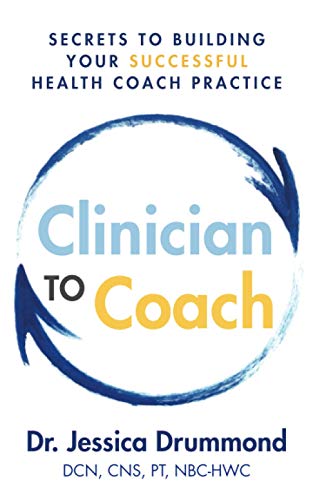
Clinician to Coach: Building a Successful Health Coach Practice

You may be interested


Healthcare professionals seeking to shift into health coaching will find Dr. Jessica Drummond’s “Clinician to Coach” an essential guide for transforming their practice. The book provides a clear roadmap for blending clinical expertise with coaching skills while maintaining a holistic approach to client support.
You’ll discover practical tools for helping clients create lasting lifestyle changes, marketing strategies to build your coaching business, and methods for effective client communication. The book’s emphasis on supporting clients through personal growth resonates with both new coaches and experienced practitioners who want to enhance their practice. Readers report significant improvements in client outcomes after implementing Dr. Drummond’s coaching principles and client-centered approach.
Best For: Healthcare professionals and clinicians looking to transition into health coaching or integrate coaching methodologies into their existing practice.
Pros:
- Provides clear, practical guidance for transitioning from clinical work to coaching
- Includes valuable marketing strategies and business-building tools
- Offers concrete methods for improving client outcomes through holistic approaches
Cons:
- May be too specialized for those without clinical background
- Focus primarily on health coaching may limit relevance for other coaching niches
- Some marketing strategies might need updating for current digital landscape
Developing Coaching Skills: A Concise Introduction
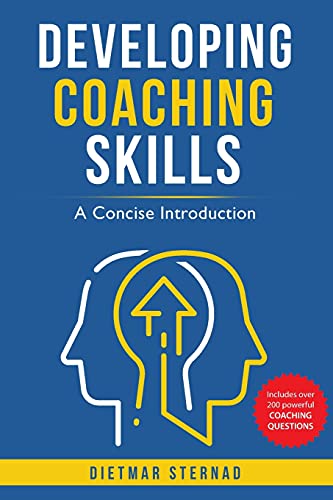
Aspiring coaches and wellness professionals seeking a solid foundation will find exceptional value in “Developing Coaching Skills: A Concise Introduction.” While the book’s concise format spans just over a hundred pages, it delivers a thorough overview of coaching fundamentals, including more than 200 practical coaching questions you can start using right away.
You’ll appreciate the book’s accessible writing style and structured approach to retaining knowledge. Whether you’re a business student, entrepreneur, or someone looking to enhance your leadership skills, this affordable resource provides clear guidance and practical exercises. Readers consistently praise its wisdom-filled content and straightforward explanations that help develop effective coaching conversations.
Best For: Entry-level coaches, business students, and professionals seeking to develop fundamental coaching skills through a concise, practical introduction to coaching techniques.
Pros:
- Contains over 200 ready-to-use coaching questions for immediate application
- Structured format optimized for knowledge retention and easy understanding
- Highly affordable while providing comprehensive coaching fundamentals
Cons:
- Limited length (100+ pages) may not cover advanced coaching topics
- May be too basic for experienced coaches seeking advanced techniques
- Focuses primarily on fundamentals rather than specialized coaching niches
Nurse Coaching: Integrative Approaches for Health and Wellbeing

The thorough guide “Nurse Coaching: Integrative Approaches for Health and Wellbeing” stands out as a foundational resource for nursing professionals looking to expand their coaching capabilities. You’ll find extensive materials and practical tools that readers consistently praise as essential for their coaching practice.
The book’s strength lies in its dual focus – offering both client-focused strategies and valuable self-care techniques for coaches themselves. Whether you’re studying to become a nurse coach or currently practicing, you’ll discover ready-to-use resources that adapt to different client situations. While some readers note potential shipping delays, the content’s depth and practical application make it a worthwhile investment for those interested in integrative wellness coaching approaches.
Best For: Nursing professionals pursuing a career in health coaching or seeking comprehensive resources for integrative wellness approaches.
Pros:
- Comprehensive resource with practical tools and strategies for client coaching
- Strong emphasis on self-care techniques for nurse coaches
- Valuable for both educational purposes and professional practice
Cons:
- Potential shipping delays reported by some customers
- No mention of digital format availability
- May be too detailed for those seeking quick reference guides
Motivational Interviewing in Life and Health Coaching: A Guide to Practice

Written by experienced coaches for coaches, “Motivational Interviewing in Life and Health Coaching: A Guide to Practice” stands out as a practical resource that bridges theory with real-world application. You’ll find clear examples, real coaching scenarios, and helpful scripts that show how to incorporate these conversation techniques into your coaching practice.
The book’s engaging style makes complex concepts accessible, featuring graphics and examples that boost your understanding. What sets this guide apart is its focus on practice – you won’t just read about techniques, you’ll learn how to apply them through intentional exercises and self-practice options. If you’re looking to enhance your coaching conversations, this resource offers evidence-based strategies while keeping the content relevant and actionable.
Best For: Health and life coaches at any experience level who want to enhance their motivational interviewing skills through practical, real-world applications and examples.
Pros:
- Written specifically for coaches with relevant examples and scenarios that directly apply to coaching contexts
- Includes practical scripts, real-play scenarios, and actionable exercises for skill development
- Clear, engaging writing style with helpful graphics makes complex MI concepts accessible
Cons:
- Requires significant time commitment and practice beyond just reading to master the techniques
- May be too focused on coaching-specific applications for those seeking broader MI applications
- Some readers might need additional resources or training to fully implement the concepts effectively
Masterful Health and Wellness Coaching: Deepening Your Craft

Seasoned and novice health coaches seeking to deepen their practice will find invaluable guidance in “Masterful Health and Wellness Coaching: Deepening Your Craft” by Michael Arloski. This extensive guide blends theoretical knowledge with practical strategies, making complex concepts easily digestible and applicable to real coaching scenarios.
You’ll discover actionable tools and examples that you can immediately implement in your coaching sessions. Arloski’s expertise shines through as he explores the mindset required for effective coaching while integrating psychological principles into a structured framework. Whether you’re just starting or have years of experience, you’ll appreciate how this book supports both your professional development and your ability to foster meaningful client relationships.
Best For: Health and wellness coaches at any experience level who want to enhance their coaching skills, deepen their practice, and develop a more effective coaching mindset.
Pros:
- Combines theoretical knowledge with practical, immediately applicable coaching strategies
- Accessible writing style that makes complex concepts easy to understand and implement
- Comprehensive coverage that serves both as a learning tool and ongoing reference guide
Cons:
- May be too focused on foundational concepts for very experienced coaches seeking advanced techniques
- Some readers might find the theoretical sections too lengthy before getting to practical applications
- Price point may be higher compared to other coaching resources
Wellness Coaching for Lasting Lifestyle Change – Second Edition

Widely regarded as a cornerstone text for aspiring and practicing wellness coaches, “Wellness Coaching for Lasting Lifestyle Change – Second Edition” by Michael Arloski delivers practical coaching strategies through an engaging, conversational approach.
You’ll find this thorough guide packed with immediately applicable tools, including motivational interviewing techniques, journaling exercises, and coaching agreement templates. The book serves as an essential resource for NBC-HWC exam preparation and has become a staple in various coaching programs. While some readers note minor grammatical issues, the book’s real-world applications and clear methodology make it invaluable for anyone looking to enhance their coaching practice and create lasting lifestyle changes with clients.
Best For: Health and wellness coaching professionals, students preparing for the NBC-HWC exam, and practitioners seeking practical tools for facilitating lasting behavioral change in clients.
Pros:
- Comprehensive coverage of wellness coaching methodology with immediately applicable tools and techniques
- Serves as an excellent study resource for professional certification preparation
- Written in an accessible, conversational style that makes complex concepts easy to understand
Cons:
- Contains some grammatical errors that may distract from the reading experience
- May be too focused on coaching basics for highly experienced practitioners
- Limited coverage of specialized coaching scenarios or niche wellness areas
The Coaching Habit: Say Less, Ask More, and Change the Way You Lead Forever
Sale


The Coaching Habit: Say Less, Ask More, and Change the Way You Lead Forever
- Author: Bungay Stanier, Michael.
- Publisher: Page Two
- Pages: 244
A practical guide for managers and aspiring coaches, “The Coaching Habit” transforms everyday conversations into powerful coaching moments. You’ll learn seven essential questions that can reshape your leadership approach while building meaningful connections with your team.
The book’s straightforward structure helps you develop sustainable coaching habits through scientific principles. Rather than complex psychological theories, you’ll master conversational techniques that encourage deeper problem-solving and self-discovery. Whether you’re new to coaching or an experienced leader, you’ll find valuable frameworks, including insights on maneuvering the drama triangle and fostering organic coaching opportunities throughout your workday.
Best For: Managers and leaders who want to develop practical coaching skills and transform their daily interactions into meaningful developmental conversations with their team members.
Pros:
- Provides seven specific, actionable questions that can be immediately implemented in conversations
- Uses science-backed methods to help build sustainable coaching habits
- Written in an accessible, straightforward style that focuses on practical application rather than theory
Cons:
- May be too basic for experienced coaches looking for advanced techniques
- Focuses primarily on conversation techniques rather than comprehensive coaching methodology
- Some readers might prefer more detailed psychological frameworks and theoretical background
Integrative Health Coaching Resource Guide

The Integrative Health Coaching Resource Guide serves as a thorough introduction for newcomers exploring complementary and alternative wellness approaches. You’ll find this student-created guide particularly helpful if you’re just starting to learn about different wellness modalities and practices.
Thanks to Dr. Jordan’s contribution in making this resource publicly available, you’ll discover clear explanations about various integrative approaches. The guide breaks down complex topics into digestible information that’s perfect for both wellness practitioners and those beginning their journey. It’s received positive feedback from the wellness community for its practical, easy-to-understand format and extensive coverage of integrative practices.
Best For: Beginners and wellness practitioners seeking a comprehensive introduction to complementary and integrative health approaches and modalities.
Pros:
- Created by students in the field, offering fresh and relatable perspectives for newcomers
- Breaks down complex topics into easily digestible information
- Provides broad coverage of various integrative health practices and modalities
Cons:
- May lack the depth that advanced practitioners require
- Limited to introductory-level information
- Being student-created, might not have the same authority as materials from established experts
Root Cause: A Complete Guide to Functional Nutrition for Coaches
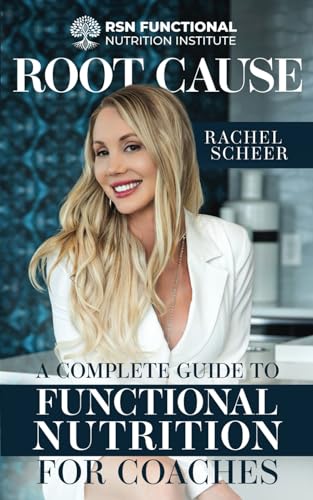
Written by functional nutrition expert Rachel Scheer, “Root Cause” delivers essential knowledge for health coaches who want to understand the connections between nutrition and overall wellness. You’ll discover a thorough approach that goes beyond basic nutrition, exploring sleep patterns, food choices, and lifestyle factors that contribute to wellbeing.
The book’s first section focuses on coaching skills, helping you understand different client types and build stronger relationships. While traditional approaches often focus on individual symptoms, Scheer’s guide emphasizes looking at the whole picture. Readers particularly appreciate the book’s clear organization and practical applications, making it a valuable resource for both new and experienced coaches.
Best For: Health practitioners, nutrition coaches, and individuals seeking comprehensive knowledge about functional nutrition and holistic wellness approaches.
Pros:
- Provides a thorough, well-organized guide to functional nutrition principles and coaching strategies
- Offers practical insights into client relationships and different personality types
- Takes a holistic approach by addressing multiple aspects of health beyond just nutrition
Cons:
- May be too technical or detailed for casual readers interested in basic nutrition
- Focuses primarily on coaching perspective, which might not suit those seeking only personal health advice
- Could challenge readers who are firmly committed to traditional medical approaches
Six-Figure Health Coach: 12-Step Blueprint for Doing Work You Love

Driven by Dr. Shaunna’s expertise, this thorough blueprint guides aspiring health coaches through building successful practices. You’ll discover practical steps for creating signature programs and developing a sustainable coaching business model that aligns with your values.
The book’s strength lies in its blend of actionable strategies and supportive community approach. You’ll find real-world examples and stories that illustrate effective coaching techniques, particularly for working with specific populations like women experiencing menopause. The self-paced format lets you absorb and implement concepts while connecting with fellow coaches in a collaborative environment.
Current readers praise the book’s motivational tone and transformative impact on their professional development, often returning to its pages for continued inspiration.
Best For: Aspiring or early-career health coaches who want to build a profitable coaching practice while maintaining authenticity and creating meaningful client impact.
Pros:
- Provides detailed, actionable steps for creating signature programs and building a sustainable coaching business
- Includes real-world examples and practical case studies, especially for coaching women through menopause
- Offers access to a supportive community of fellow coaches for collaboration and shared learning
Cons:
- May be too focused on women’s health coaching for those targeting different niches
- Success requires significant time investment to implement all 12 steps thoroughly
- Self-paced format might not provide enough structure for those needing more direct guidance
Factors to Consider When Choosing Health Coaching Books

When you’re exploring health coaching books, it’s important to take into account several key factors that’ll help you find the right resources for your learning journey. You’ll want to match the book’s format and teaching approach with your preferred learning style, while also checking the author’s background to verify they have relevant experience and credentials in the coaching field. Look for books that offer practical tools, real-world examples, and up-to-date research that aligns with your target audience and coaching goals.
Learning Style and Format
Understanding your personal learning style plays an essential role in selecting the right health coaching book for your needs. You’ll want to match the book’s format with how you best absorb and retain information.
If you’re a visual learner, look for books that incorporate diagrams, charts, and infographics to illustrate key concepts. For those who prefer step-by-step instruction, textbook-style formats with clear chapter breakdowns and practice exercises might work best. If you learn through stories and examples, choose books that feature case studies and real-world applications.
Consider the pace and depth that suits your level. Beginners often benefit from concise, foundational books with practical exercises, while more experienced coaches might prefer thorough texts that explore advanced concepts in detail. You’ll also want to guarantee the writing style keeps you engaged and motivated to continue learning.
Author Credentials and Expertise
The credibility of a health coaching book rests heavily on its author’s professional background and real-world experience. When evaluating potential books, you’ll want to look for authors who have substantial coaching qualifications and hands-on experience in wellness practices.
Pay attention to authors who’ve made meaningful contributions to the field through published research, workshops, or educational programs. You can check their background for relevant certifications, training experience, and recognition within the coaching community. Look for those who’ve developed thorough wellness programs or led successful coaching practices.
Consider how active the author remains in the coaching community. Those who regularly conduct seminars, contribute to professional publications, or maintain active coaching practices often provide the most current and practical insights for your development.
Practical Tools and Examples
Practical tools and examples serve as the backbone of any valuable health coaching book. You’ll want to look for resources that offer step-by-step exercises, worksheets, and real-world scenarios you can immediately implement in your coaching practice.
When evaluating coaching books, check for:
- Sample conversation scripts and question frameworks
- Ready-to-use assessment templates
- Case studies from successful coaching relationships
- Structured action planning tools
- Weekly or monthly implementation guides
The most effective books combine these practical elements with clear instructions on when and how to use them. You’ll benefit most from resources that provide adaptable tools rather than rigid formulas. Look for books that include both basic and advanced techniques, allowing you to grow your skills progressively while building your coaching toolkit.
Current Research and Evidence
When selecting health coaching books, research-backed content serves as a critical foundation for making informed choices. You’ll want to look for titles that discuss proven approaches like motivational conversations and goal-setting strategies, which have shown measurable results in helping people make positive lifestyle changes.
Consider books that incorporate the latest findings on behavioral change and personal development. The most valuable resources will feature structured frameworks, practical monitoring tools, and clear accountability methods. Look for authors who regularly update their work to reflect new studies and emerging best practices.
Check that the books you choose align with current research on personalized coaching approaches. The best selections will demonstrate how to create customized strategies while maintaining professional standards and incorporating evidence-based methods that support long-term success.
Target Audience Alignment
Selecting the right health coaching book depends heavily on your current expertise level and professional background. You’ll want to match the book’s content with your specific needs, whether you’re just starting out or looking to enhance your established practice.
When evaluating potential books, consider how well they align with your professional context. If you’re a nurse, you might benefit most from books that incorporate healthcare-specific scenarios. Similarly, if you’re an occupational therapist, look for resources that complement your existing skill set.
Your learning goals should guide your choice. If you’re seeking foundational knowledge, choose books that cover basic principles and practical applications. For advanced practitioners, books focusing on specialized coaching methodologies and in-depth theoretical frameworks might be more appropriate.
Professional Development Goals
Your professional development goals serve as an essential compass when selecting health coaching books that’ll advance your career. Start by identifying specific skills you want to strengthen, whether that’s improving your communication techniques, learning new coaching frameworks, or deepening your understanding of behavior change principles.
Consider where you are in your coaching journey. If you’re just starting out, look for foundational books that cover core coaching concepts and basic methodologies. For experienced coaches, seek advanced resources that explore specialized topics and complex coaching scenarios. Match the book’s content with your target expertise level to guarantee you’re challenging yourself appropriately.
Remember to check if the book includes practical tools and real-world examples you can implement right away in your coaching sessions. The author’s background and experience level should align with your learning goals.
Implementation and Application Focus
Three key aspects define a truly valuable health coaching book: its practical tools, real-world examples, and clear implementation strategies. When selecting your next coaching resource, you’ll want to focus on books that offer step-by-step guidance you can apply immediately in your practice.
Look for books that include worksheets, templates, and actionable exercises you can adapt for different client situations. The content should feature concrete case studies that demonstrate how various coaching techniques work in real-life scenarios. Additionally, you’ll benefit from resources that break down complex concepts into manageable, systematic approaches.
Choose books written in straightforward language that won’t require constant reference to a dictionary. The best resources make it easy to translate theory into practice through well-organized chapters and clear action steps.
Frequently Asked Questions
How Long Does It Typically Take to Read and Implement Health Coaching Books?
Time flies when you’re diving into a good coaching book! You’ll typically need 4-6 hours to read through each book, but implementing the strategies is where the real journey begins. Most readers take 2-3 months to fully absorb and apply the concepts in their daily routines. It’s best to focus on one book at a time, practice the methods consistently, and adjust your approach based on what works for you.
Are Health Coaching Books Relevant for International Practitioners Outside the US?
Yes, you’ll find most health coaching books highly relevant internationally since they cover universal principles of behavior change, communication, and lifestyle habits. While some books may reference US-specific regulations or systems, the core coaching concepts translate well across cultures. You can easily adapt the strategies to your local context. Many popular coaching books are also available in multiple languages and often include diverse case studies from around the world.
Which Health Coaching Certifications Are Most Recognized by Insurance Companies?
Like finding the right key to access a door, selecting a widely-recognized certification can open opportunities with insurance companies. You’ll find that the National Board for Health and Wellness Coaching (NBHWC) certification is frequently accepted, while the International Consortium for Health & Wellness Coaching (ICHWC) also carries weight. Additionally, certifications from ACE and NSHC are gaining traction. However, it’s best to check directly with specific insurance providers, as acceptance policies can vary.
Can Retired Healthcare Professionals Transition to Health Coaching Without Additional Training?
While your healthcare background gives you valuable experience, you’ll still benefit from dedicated health coaching training to learn the specific skills and methodologies of coaching. The coaching approach differs from clinical care – it’s more about supporting lifestyle changes and personal goals rather than providing medical advice. Consider enrolling in a recognized health coaching program to learn coaching techniques, behavioral change strategies, and professional boundaries in your new role.
What Percentage of Health Coaches Succeed in Building Six-Figure Practices?
Want to know what’s behind those six-figure health coaching success stories? While exact statistics vary, industry surveys suggest that only 10-15% of health coaches achieve six-figure incomes. You’ll find that most successful coaches combine multiple revenue streams like one-on-one coaching, group programs, digital products, and speaking engagements. Your success often depends on your business skills, marketing strategy, niche specialization, and ability to build a strong client base over time.